![Andy Freund [Head of Growth & Customer Management]](https://simplesystem.com/hs-fs/hubfs/Autoren_Blog/Andy_Freund_autor.png?width=200&name=Andy_Freund_autor.png)

09.09.2026

![Andy Freund [Head of Growth & Customer Management]](https://simplesystem.com/hs-fs/hubfs/Autoren_Blog/Andy_Freund_autor.png?width=100&name=Andy_Freund_autor.png)

Optimal procurement of goods relies on efficient processes, good vendor relationships and the right technology. It makes the difference between smooth supply and costly bottlenecks.
This article explains what optimal procurement of goods looks like, which factors matter and seven tips to improve your purchasing terms.
Procurement of goods is the process by which a company buys products and materials from vendors and manufacturers, whether for production, day-to-day operations or resale. It is optimal when efficient processes, stable vendor relationships and economical purchasing decisions secure availability, quality and profitability.
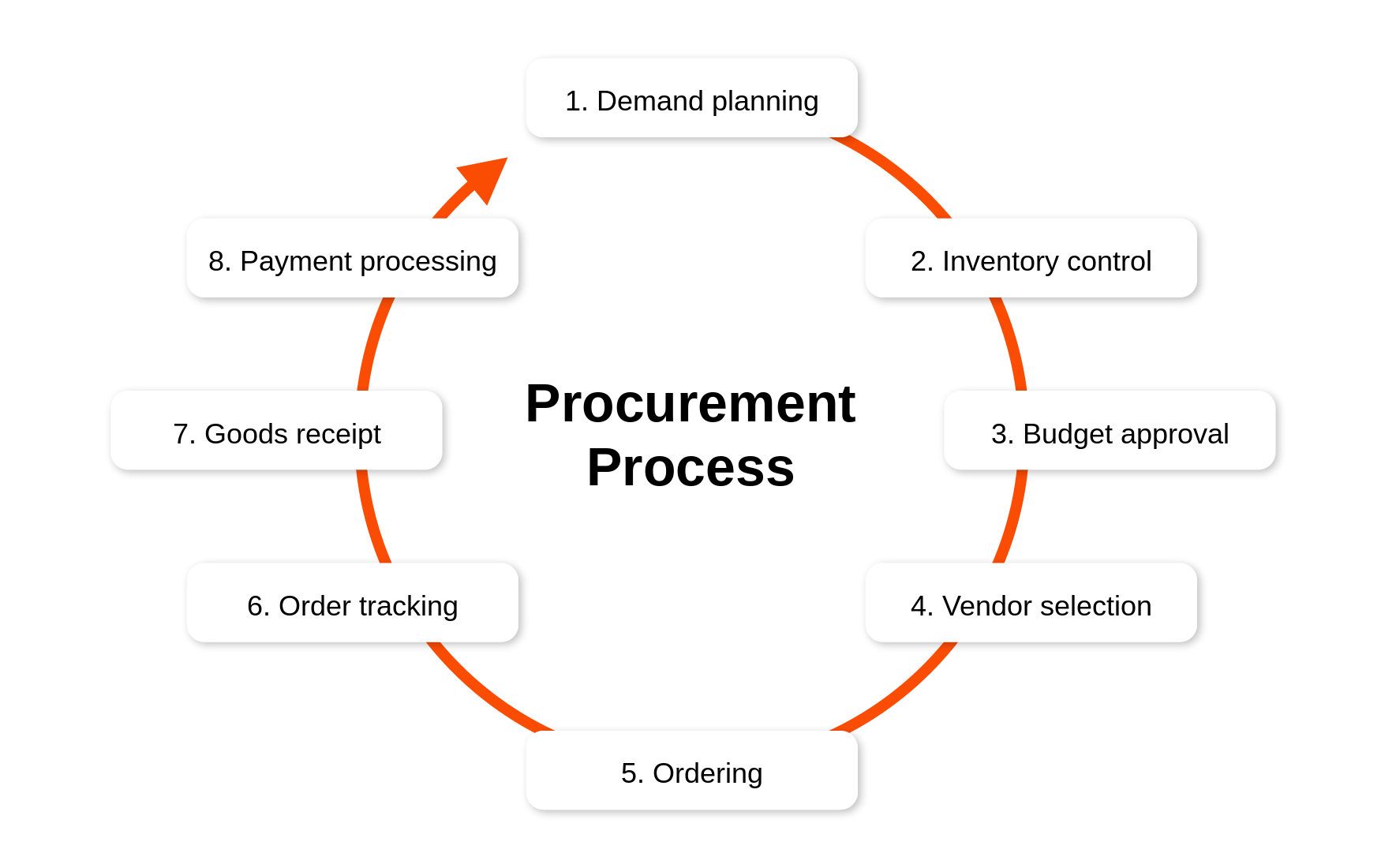
Effective procurement directly affects product availability, quality, costs and customer satisfaction. Companies with optimized procurement respond faster to market changes and gain competitive advantages.
Successful procurement is based on several factors that work together:

Find out how in our free e-procurement report. Download it now, free and without obligation.
Read nowImprovement potential in purchasing is often hard to see. These strategies help you save costs, from needs analysis to negotiation.
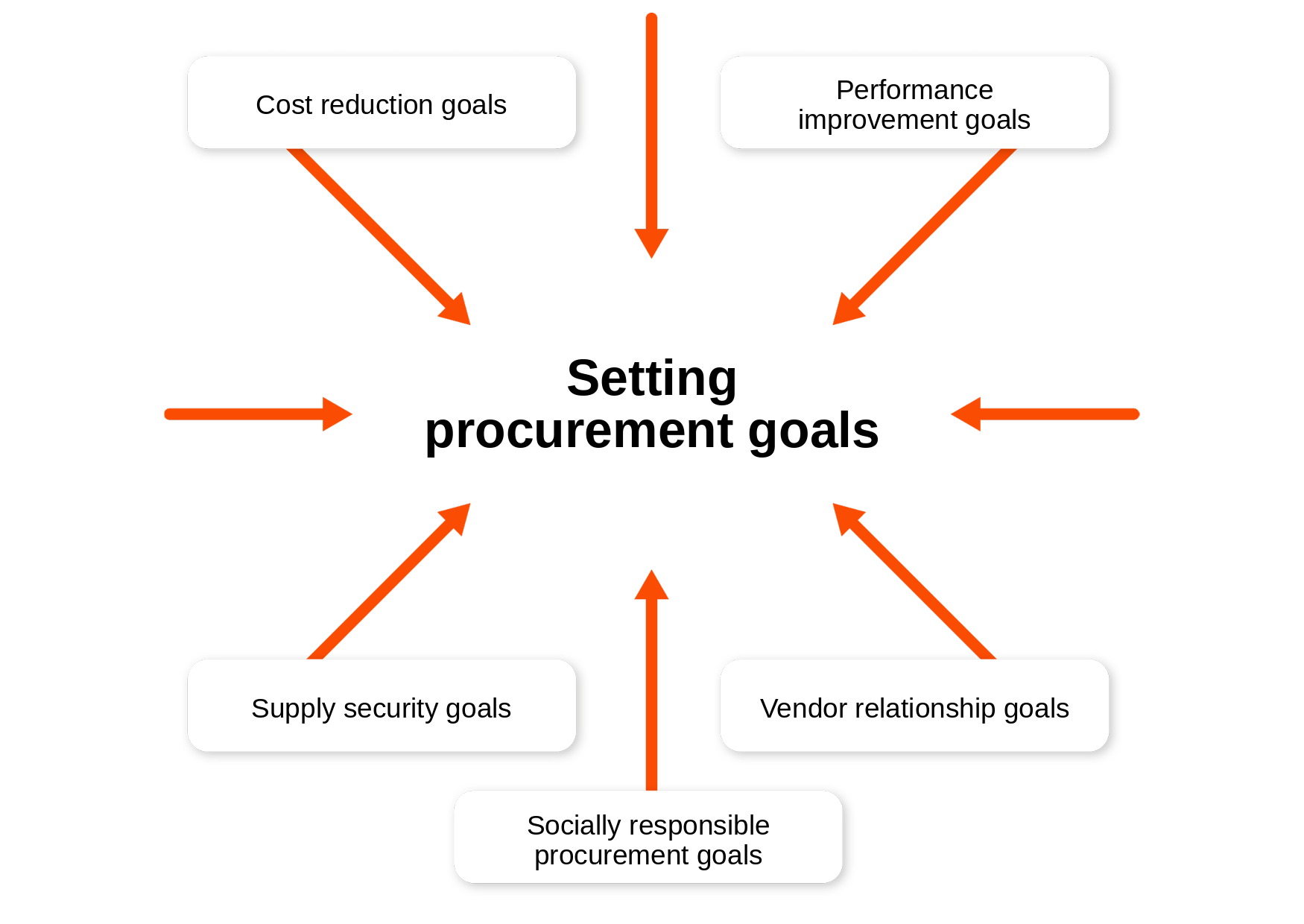
Clear purchasing goals are the foundation of a successful procurement strategy. They give all further activities direction and focus, make decisions easier and create transparency. These goal categories have proven useful:
Formulate your goals using the SMART formula: specific, measurable, achievable, relevant and time-bound.
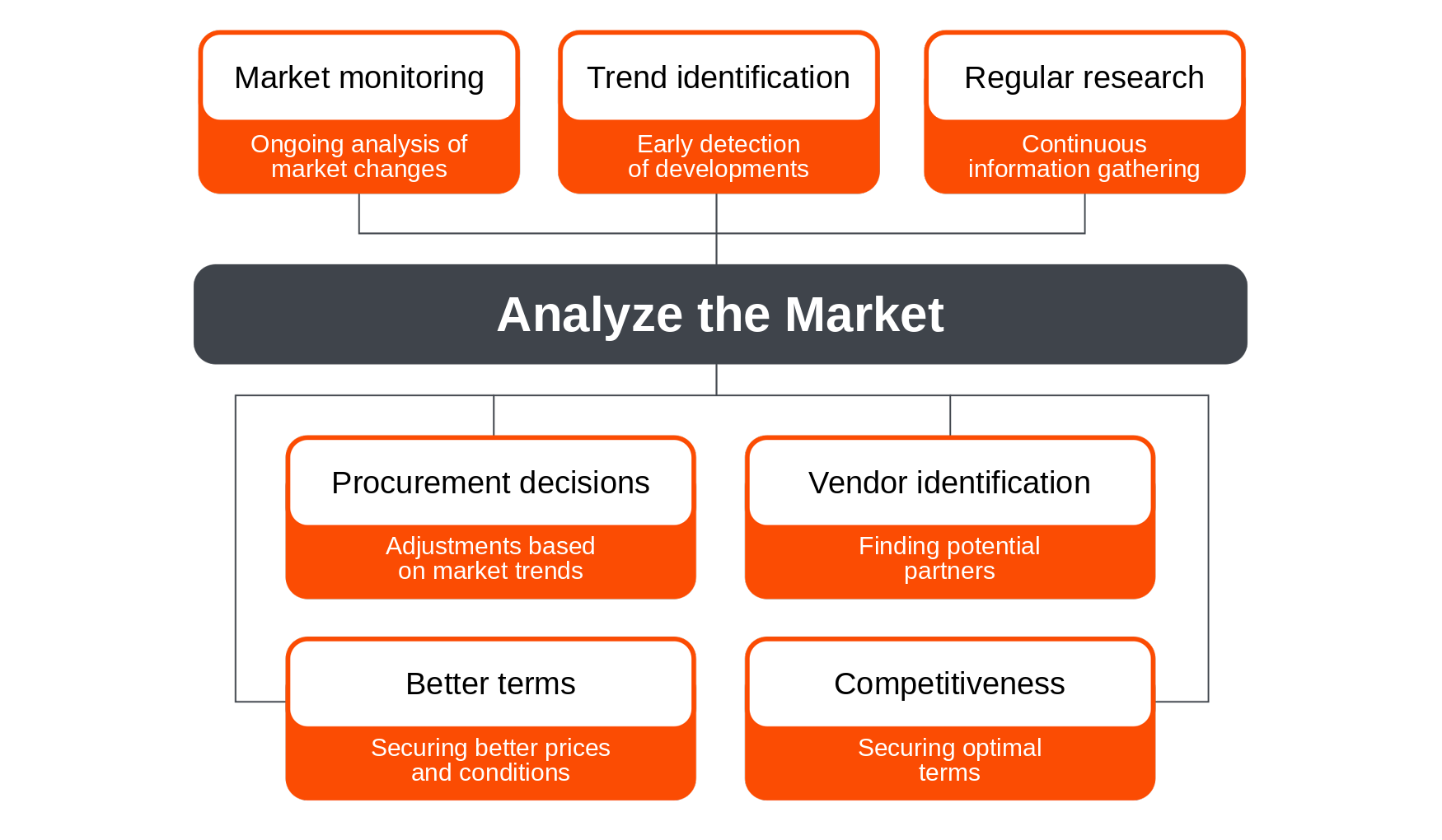
Regular market analysis reveals trends early and helps you adjust purchasing decisions. That way you find better terms and new potential vendors.
Structured procurement planning helps you identify and meet demand on time. Take seasonality and market developments into account to avoid bottlenecks. Typical pitfalls are a lack of transparency in tracking orders and poor coordination between departments and vendors. ERP systems and a procurement platform help here.
Systematic market comparisons and negotiations lower purchase prices. Compare vendors regularly and check quality so that you get good products at fair prices. Keep process costs in mind too: according to HTWK Leipzig, an analog ordering process costs €146 and a fully digital one €86.
Effective vendor management fosters long-term partnerships and better terms. Regular evaluations and open communication are the basis.
Every vendor is different. Tailored negotiation strategies that consider the strengths and weaknesses of both sides lead to better prices and delivery terms. Address the needs and goals of your negotiating partner to create win-win situations, and adapt your strategy flexibly.
Strategic warehousing plans inventory deliberately: the right quantity in the right place, with efficient storage and retrieval processes. It strikes the balance between availability and tied-up capital. Accurate demand planning and just-in-time deliveries reduce storage costs, and methods such as FIFO or ABC analysis shorten lead times.
On simple system, more than 28,000 buyers order from over 1,000 vendors through one access point, at their own negotiated terms. Approvals and budgets run digitally, and order data goes straight into the ERP. That saves manual work entering and reworking orders. The controlling module shows your purchasing analytics as a basis for negotiations and vendor comparisons.
Optimal procurement of goods combines clear goals, efficient processes and modern tools. Planning demand, monitoring the market, managing vendors deliberately and digitalizing order processing cuts costs and increases competitiveness.
Want to simplify your procurement of goods? Try simple system free for 30 days or book a demo.