![Andy Freund [Head of Growth & Customer Management]](https://simplesystem.com/hs-fs/hubfs/Autoren_Blog/Andy_Freund_autor.png?width=200&name=Andy_Freund_autor.png)

09.09.2026

![Andy Freund [Head of Growth & Customer Management]](https://simplesystem.com/hs-fs/hubfs/Autoren_Blog/Andy_Freund_autor.png?width=100&name=Andy_Freund_autor.png)

Effective procurement management ensures competitiveness through cost control, strengthening the supply chain and quality assurance. Strategic procurement management requires long-term planning, close cooperation with vendors and integration of e-procurement. Efficient vendor management through long-term partnerships optimizes procurement processes.
Effective procurement management is crucial for companies to achieve their competitiveness to maintain and increase. It includes the process of procuring goods and services, which are required for smooth operation and production.
Optimizing this process is essential to Reduce costs, strengthen vendor relationships, minimize risks And the Quality of purchased products to ensure.

Procurement management (English: Supply Management) is a An essential part of supply chain management and includes all activities associated with the acquisition of goods and services are associated for a company. The aim of procurement management is to The right materials at the right time, in the right quantity and quality at the best conditions to procure.
This process starts with Identifying the need on specific products or services and then includes the selection of suitable vendors, negotiations on prices and contract terms, order processing, delivery of goods and finally evaluation of the vendors' performance.
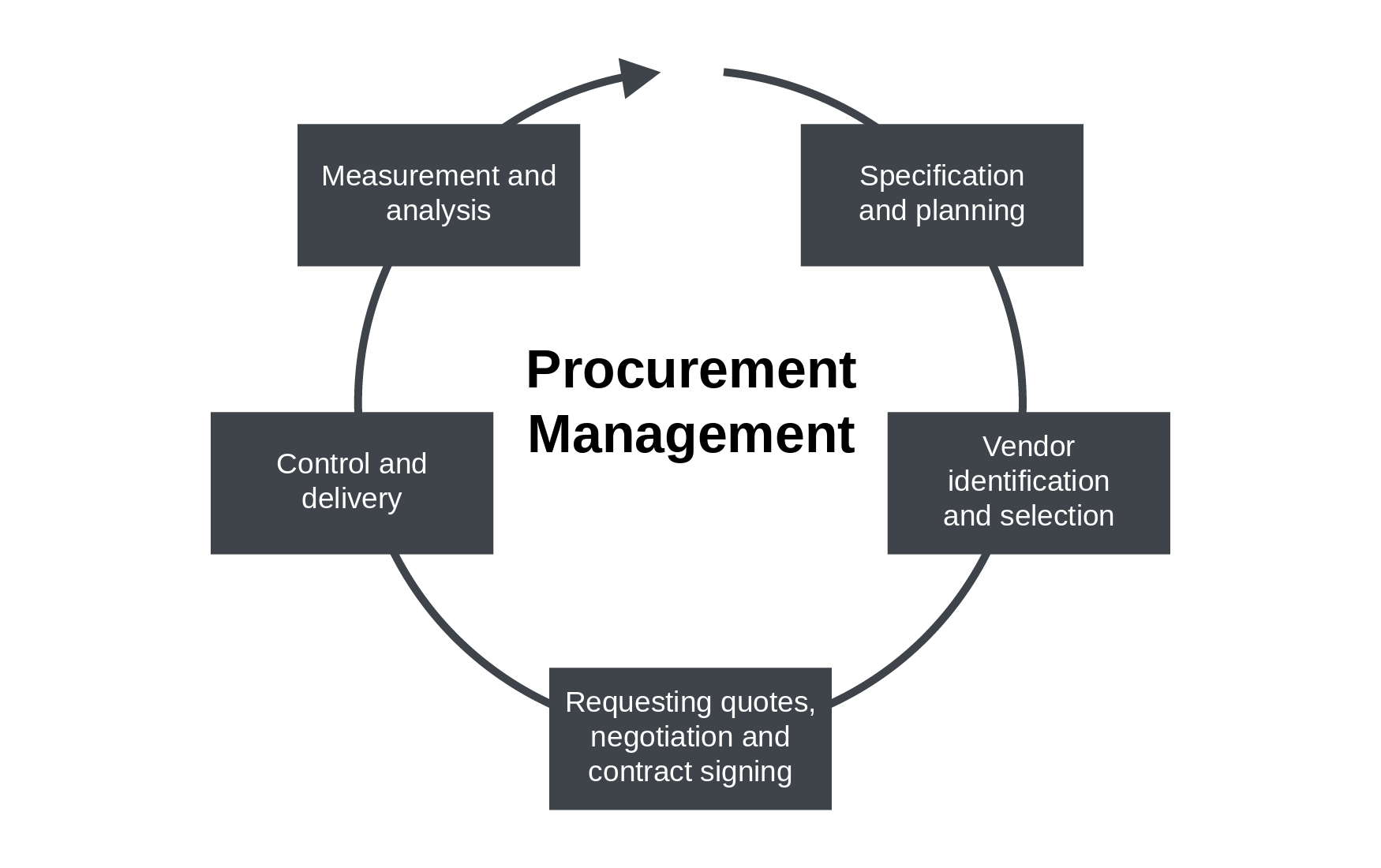
Procurement, also known as supply management, is, at its core, the process of supplying a company with what it needs to operate. This includes not only tangible goods but also services, information, and capital, all of which must be procured according to business requirements. Procurement management serves as the central interface between internal demand and external sourcing.
Key elements of effective procurement management include supplier relationship management, procurement strategies, inventory and materials management, and the use of technology to automate procurement processes.
In today’s increasingly globalized and competitive environment, well-structured procurement management is essential for ensuring efficiency, cost-effectiveness, and the long-term success of a company.
What is the role of procurement of goods in management?A well-planned procurement strategy makes it possible to optimize costs by procurement goods at competitive prices and negotiating favorable contract terms.The selection of reliable vendors and the monitoring of product quality ensure the quality of end products.Smooth operational processing is supported by the timely provision of required materials.Strategic procurement also enables better risk mitigation and flexibility by diversifying the vendor base and implementing contingency plans.
An effective procurement strategy is critical for companies as it directly impacts various aspects of business operations.Ensuring the supply of high-quality goods and services is undoubtedly the main task—it secures the company’s functionality and the quality of the final products.In addition to this primary goal, the strategy also focuses on optimizing process costs, selecting the right vendors, and analyzing and improving existing procurement processes.Procurement strategies can also be developed based on detailed needs assessments and procurement market analyses.
Strategic procurement management refers to the medium- to long-term planning and alignment of a company’s procurement activities.To achieve the company’s goals, strategies are developed to determine the extent to which tangible goods and services are needed.These strategies not only include the organization of vendors but also involve analyzing requirements and the procurement market.Make-or-buy decisions are also part of strategic procurement, helping to decide which components should be produced in-house and which should be purchased externally.Especially for smaller items and C-parts, it is important to base such decisions on careful analysis.
Several key elements are crucial for successful strategic procurement:
Procurement, or procurement, is a central aspect of business management that involves the purchase of goods and services to operate a company. e-procurement Refers to the use of electronic systems and technologies to optimize and automate the procurement process.
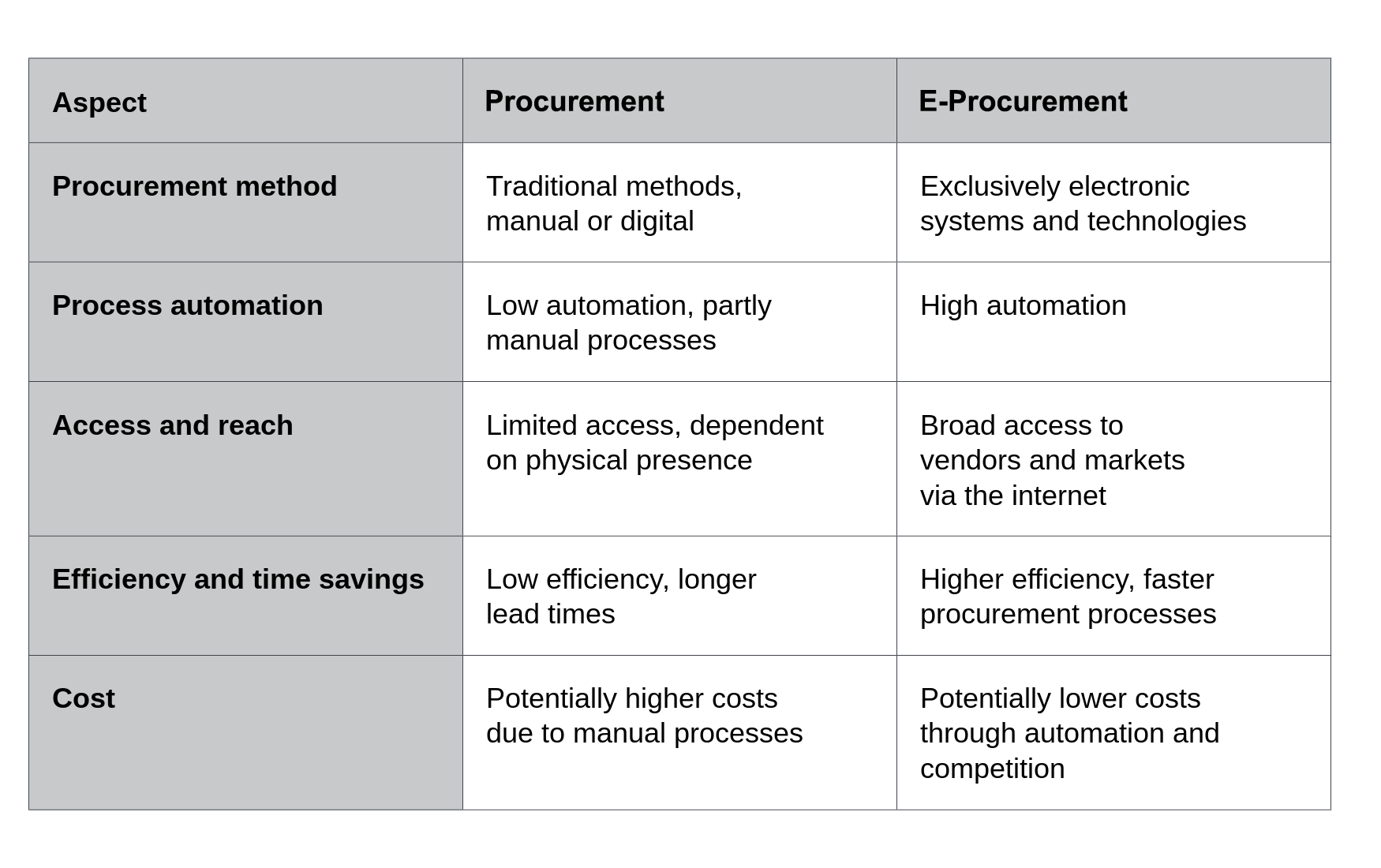
For indirect materials and C-parts, simple system offers such a platform: more than 28,000 buyers order from over 1,000 vendors there, with digital approvals, budgets and connections to existing ERP systems.
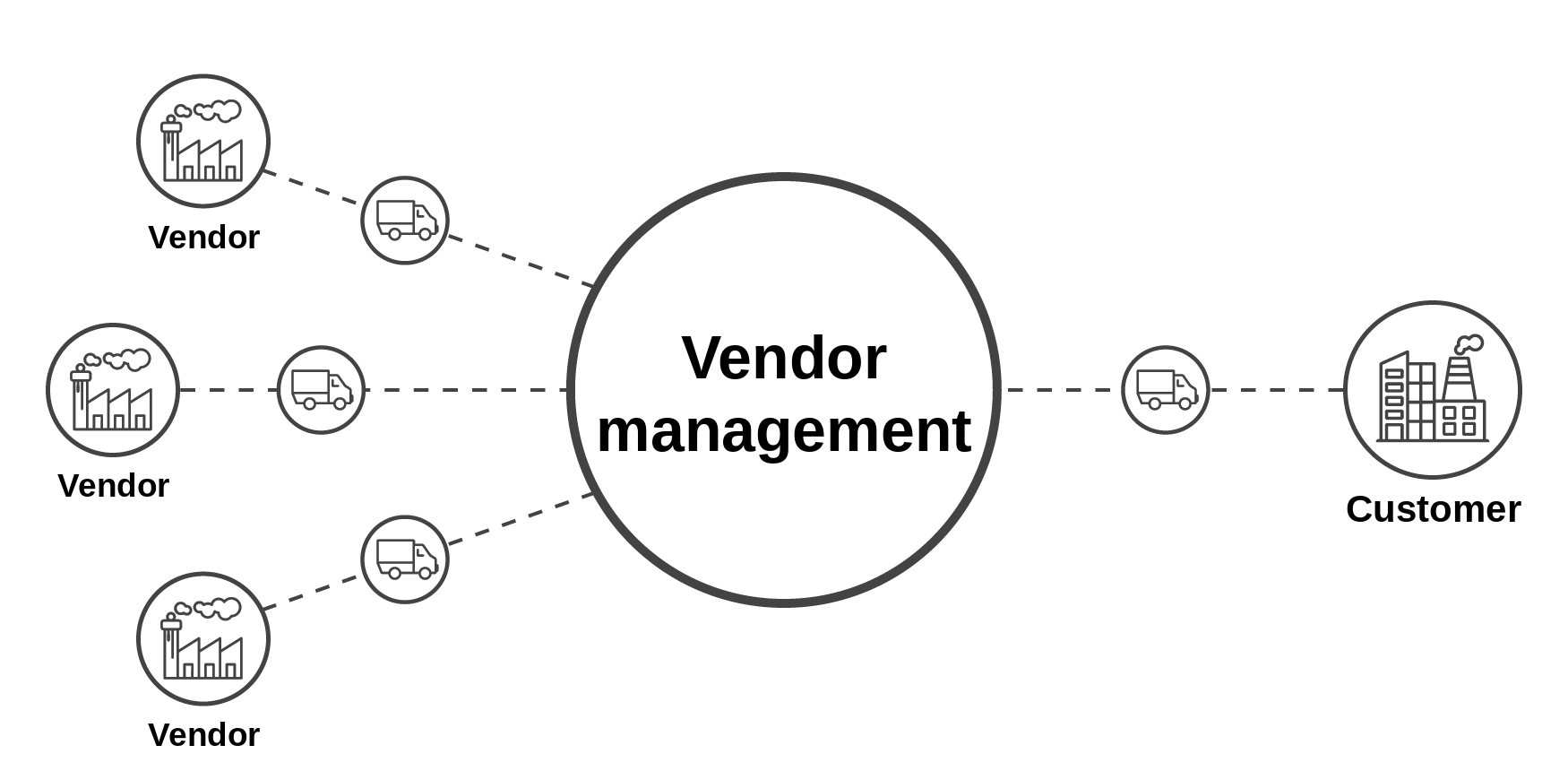
Efficient vendor management is crucial for many stages of the procurement process. It not only ensures that the required materials, goods, and services are delivered on time, but also helps avoid production interruptions and ensures customer satisfaction.
By working closely with vendors, favorable conditions and prices can be negotiated. This helps reduce procurement costs and improves the company’s profitability.Vendor management also includes quality assurance for the materials and services provided. This ensures that products meet the company’s standards and helps avoid quality issues.A diversified vendor base and a deep understanding of vendors allow companies to identify and minimize risks in the supply chain. These risks may include vendor shortages, quality problems, or geopolitical instability.Close collaboration with vendors can also foster innovation. Vendors can offer valuable insights and ideas that contribute to the development of new products, materials, or processes.Finally, efficient vendor management promotes long-term, mutually beneficial partnerships between companies and their vendors. This contributes to supply chain stability and supports the continuous improvement of business relationships.
Relationships with vendors can be strengthened in the long term by the procurement department taking the following measures:
Procurement management is a crucial area for companies to maintain and improve competitiveness. By designing this process effectively, companies can not only reduce costs, but also strengthen their supply chains, minimize risks and ensure the quality of their products.
Strategic procurement management goes beyond short-term decisions and includes a long-term planning and orientation of procurement activities. This requires a clear link with corporate goals, close cooperation with vendors and a continuous search for opportunities for improvement.
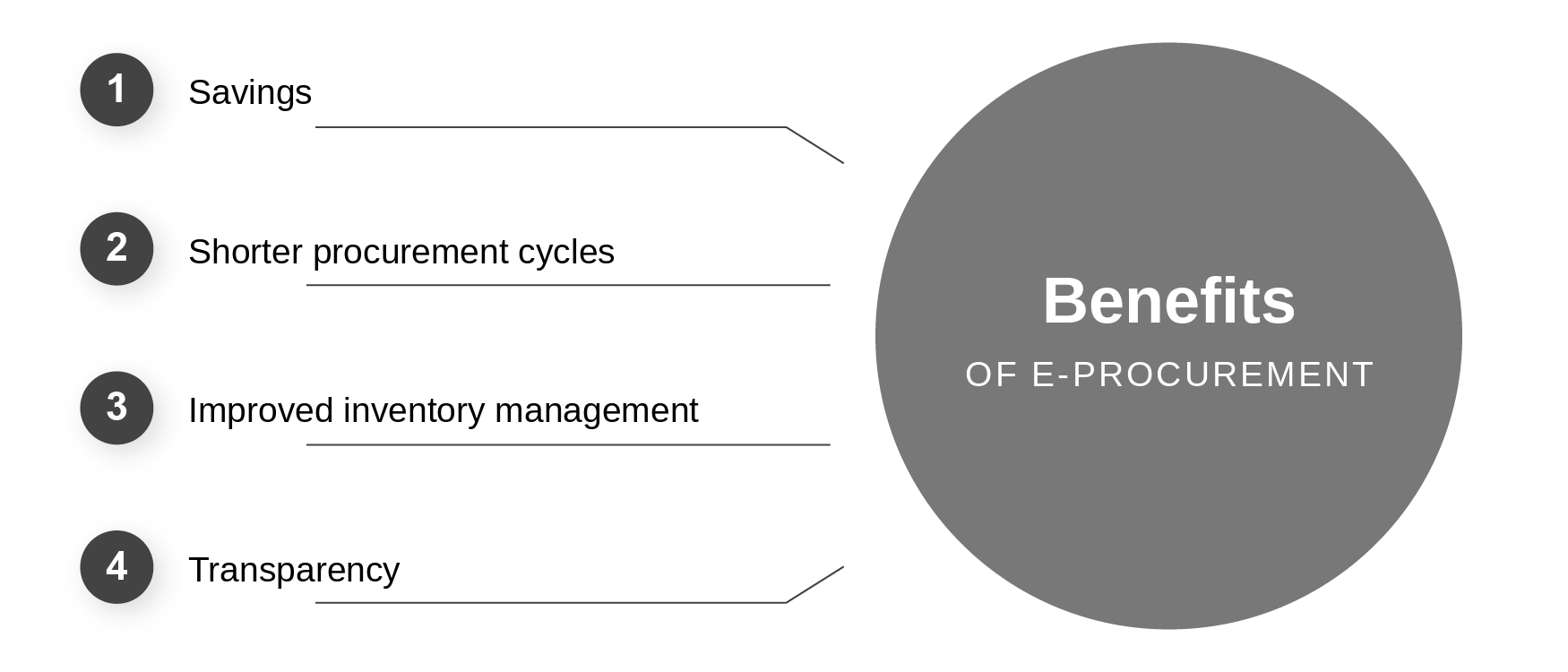
Die Integration of e-procurement systems offers additional benefits such as automation, increased efficiency and improved transparency in procurement processes.
Efficient vendor management is of crucial importance and by building long-term partnerships and value-oriented cooperation, companies can further strengthen their vendor management and thus their Optimize procurement processes.