![Andy Freund [Head of Growth & Customer Management]](https://simplesystem.com/hs-fs/hubfs/Autoren_Blog/Andy_Freund_autor.png?width=200&name=Andy_Freund_autor.png)
09.09.2026

![Andy Freund [Head of Growth & Customer Management]](https://simplesystem.com/hs-fs/hubfs/Autoren_Blog/Andy_Freund_autor.png?width=100&name=Andy_Freund_autor.png)

Orders that are placed outside of standardized procurement processes are commonplace in many companies. However, this phenomenon, known as maverick buying, can have far-reaching negative consequences - from unnecessarily high costs and compliance violations to a weakened negotiating position for purchasing. In this article, you will find out what exactly maverick buying is, what causes it and which tried-and-tested solutions you can use to effectively get a grip on this "wild purchasing" and strengthen your procurement strategy in the long term.
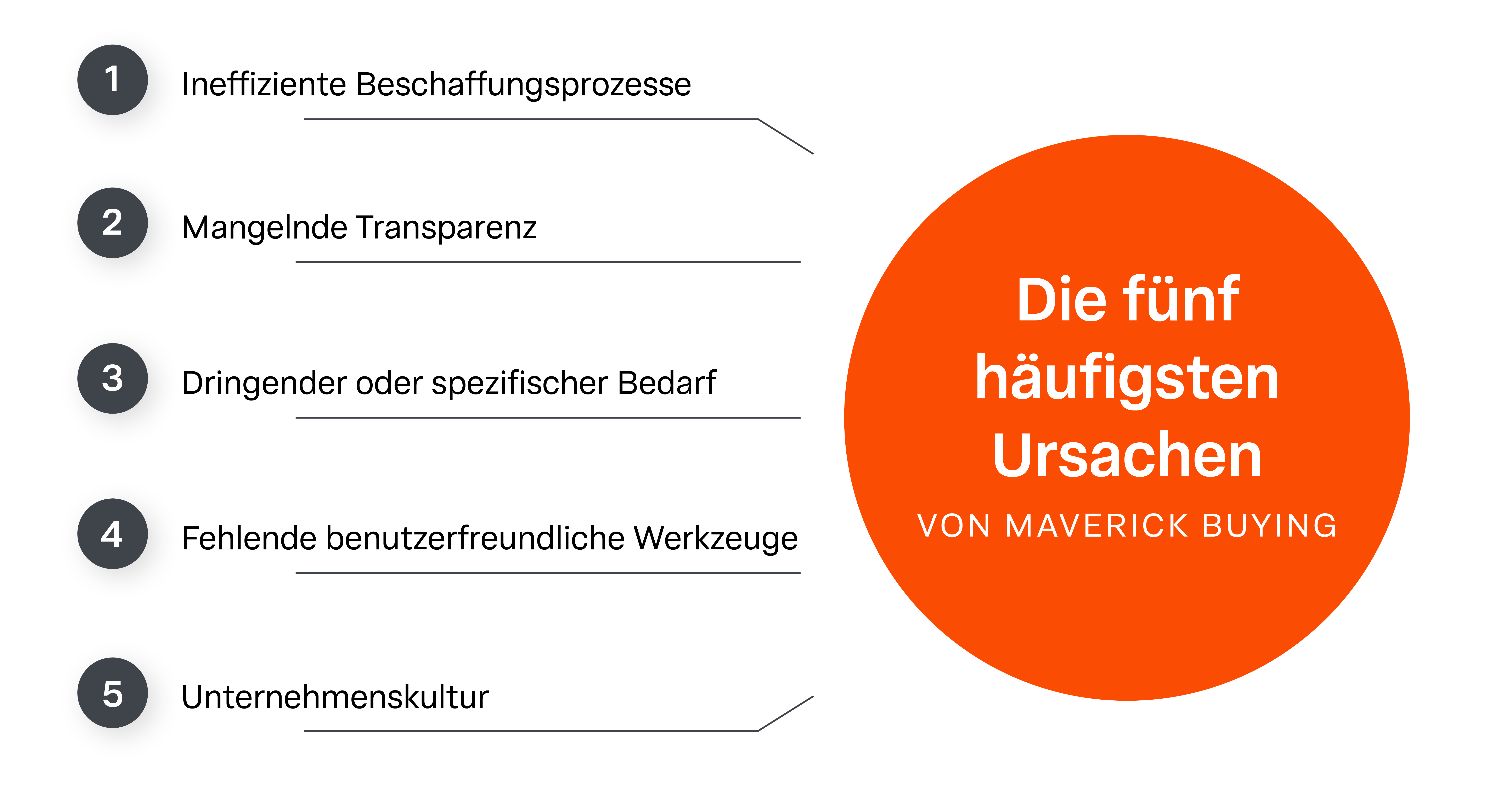
To get a handle on maverick buying, it is crucial to understand the roots of the problem. Employees rarely act out of malicious intent. Rather, it is often procedural or organizational hurdles that tempt them to go it alone. The causes of maverick buying are manifold:
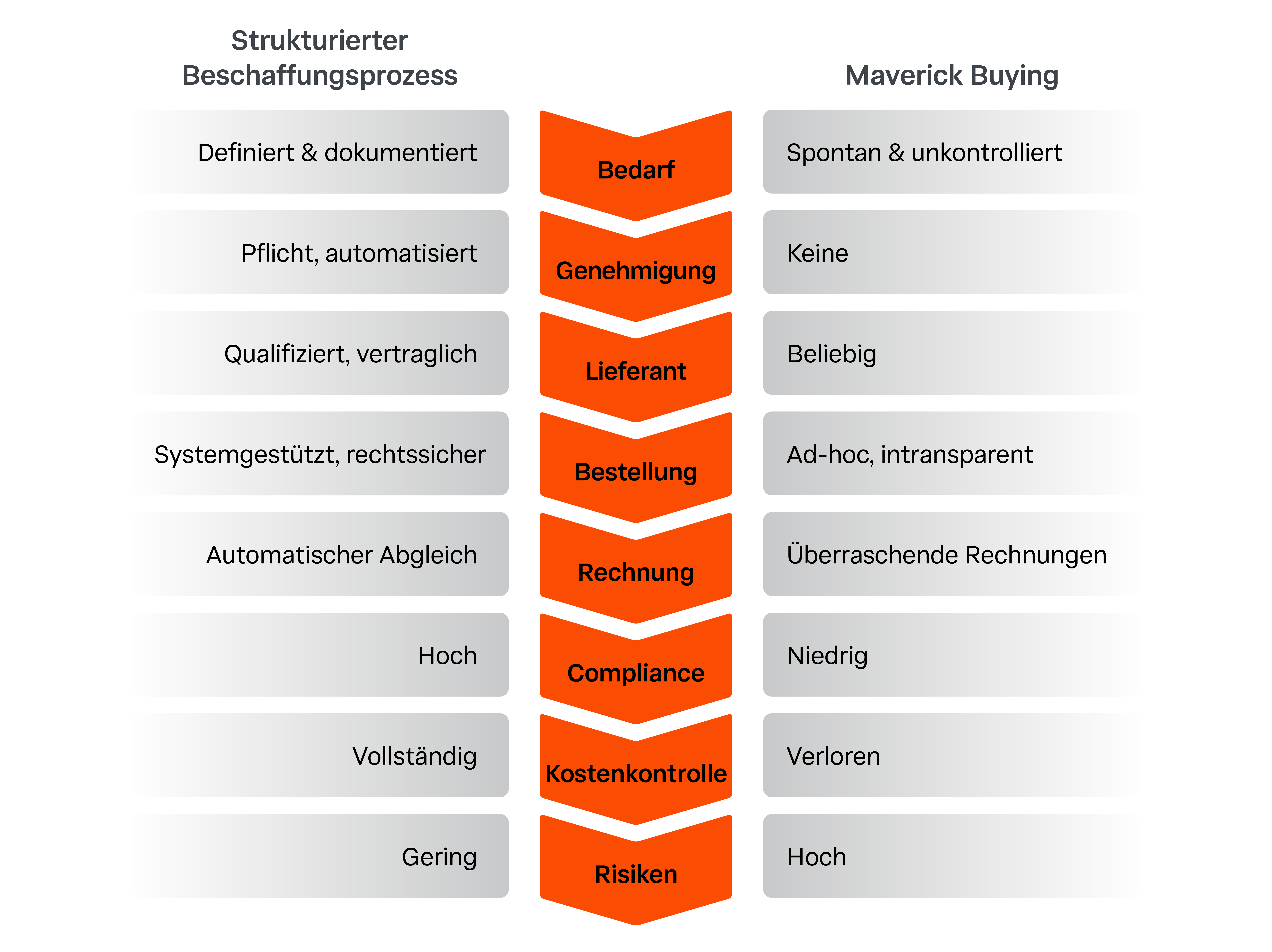
Independent procurement by employees may seem harmless at first glance, but it causes considerable direct and indirect costs and risks for the entire company. The negative effects not only affect the budget, but also the strategic direction of purchasing.
The biggest disadvantages include higher procurement costs, as negotiated discounts and economies of scale remain unused due to the bundling of requirements. Every purchase that bypasses management weakens the central negotiating position of the purchasing department vis-à-vis suppliers. This is compounded by high process costs due to more time-consuming invoice verification and accounting. There are also considerable compliance and quality risks. Orders placed with unchecked suppliers can lead to quality problems, delivery failures and breaches of legal or internal company guidelines. The lack of transparency over these procurement processes also makes it difficult to analyze spend accurately and reduces efficiency throughout supply chain management.
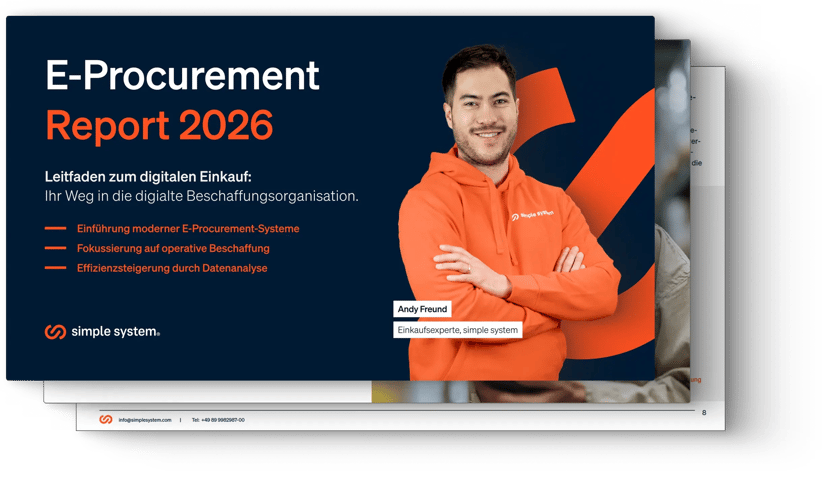
Find out how in our free e-procurement report. Download now for free and without obligation.
Read nowThe first step in combating maverick buying is to make it visible. Many companies are not aware of the extent of the problem. To identify maverick buying, you can analyze various data sources. A good place to start is accounts payable. Check invoices from suppliers for which no framework agreements or purchase orders are stored in the system. Employee expense reports can also contain indications of unauthorized purchases.
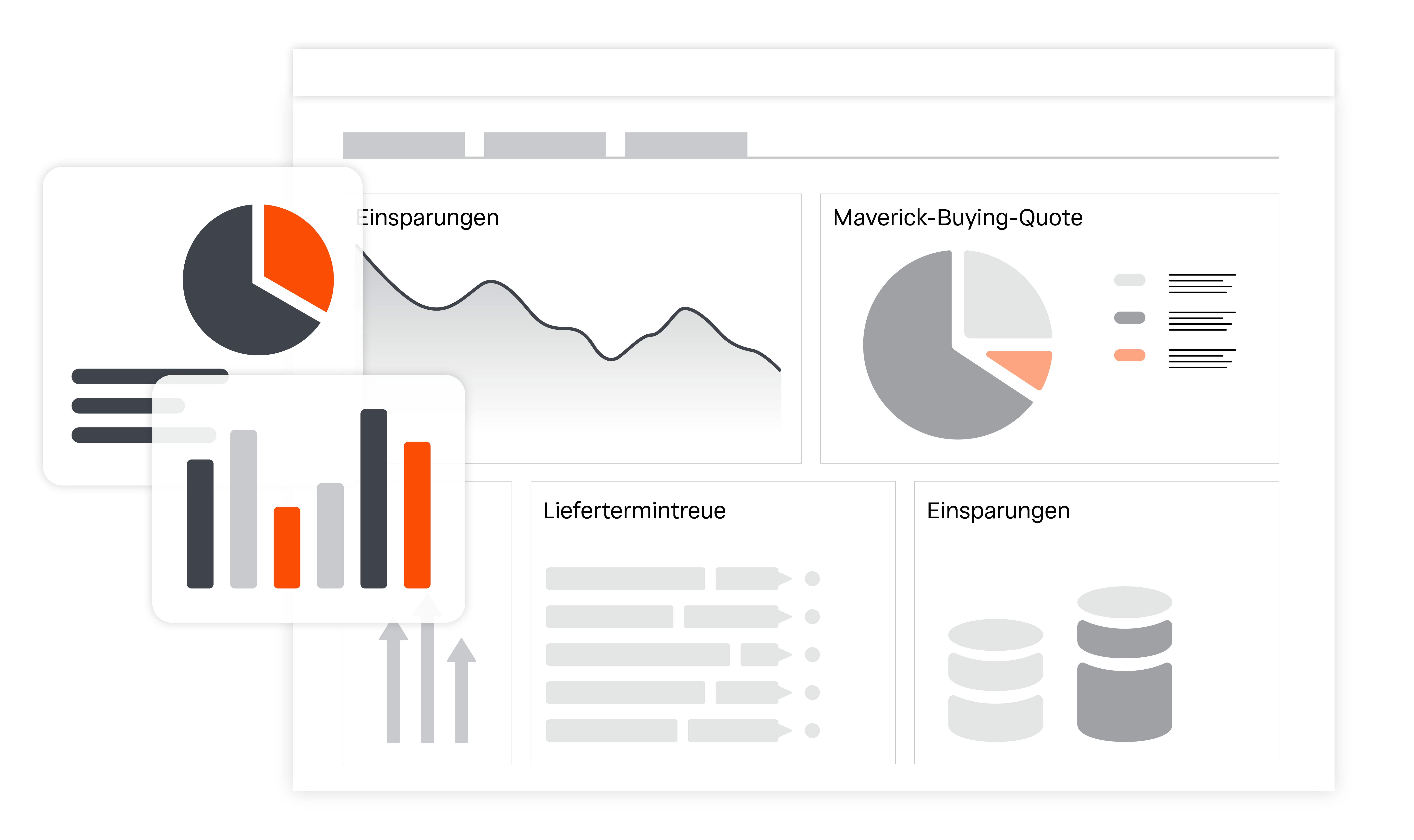
A key indicator is the maverick buying rate. This key figure compares the expenditure for non-contractual orders to the total expenditure for a specific product group or the total procurement volume. A high ratio signals an urgent need for action and helps to identify problem areas in a targeted manner. Modern e-procurement solutions can often carry out this analysis automatically and provide valuable insights into purchasing behavior within the company.
Once you know the extent of the problem, you can take targeted measures. It's not about punishing employees, but about designing processes in such a way that the official route is the easiest and most attractive. Sustainable procurement is based on a combination of technology, clear rules and communication.
The challenges in procurement are real, as a study by the Fraunhofer IML on the Purchasing Barometer shows. However, by using the right tools and having a clear strategic focus, procurement can become a real value driver.
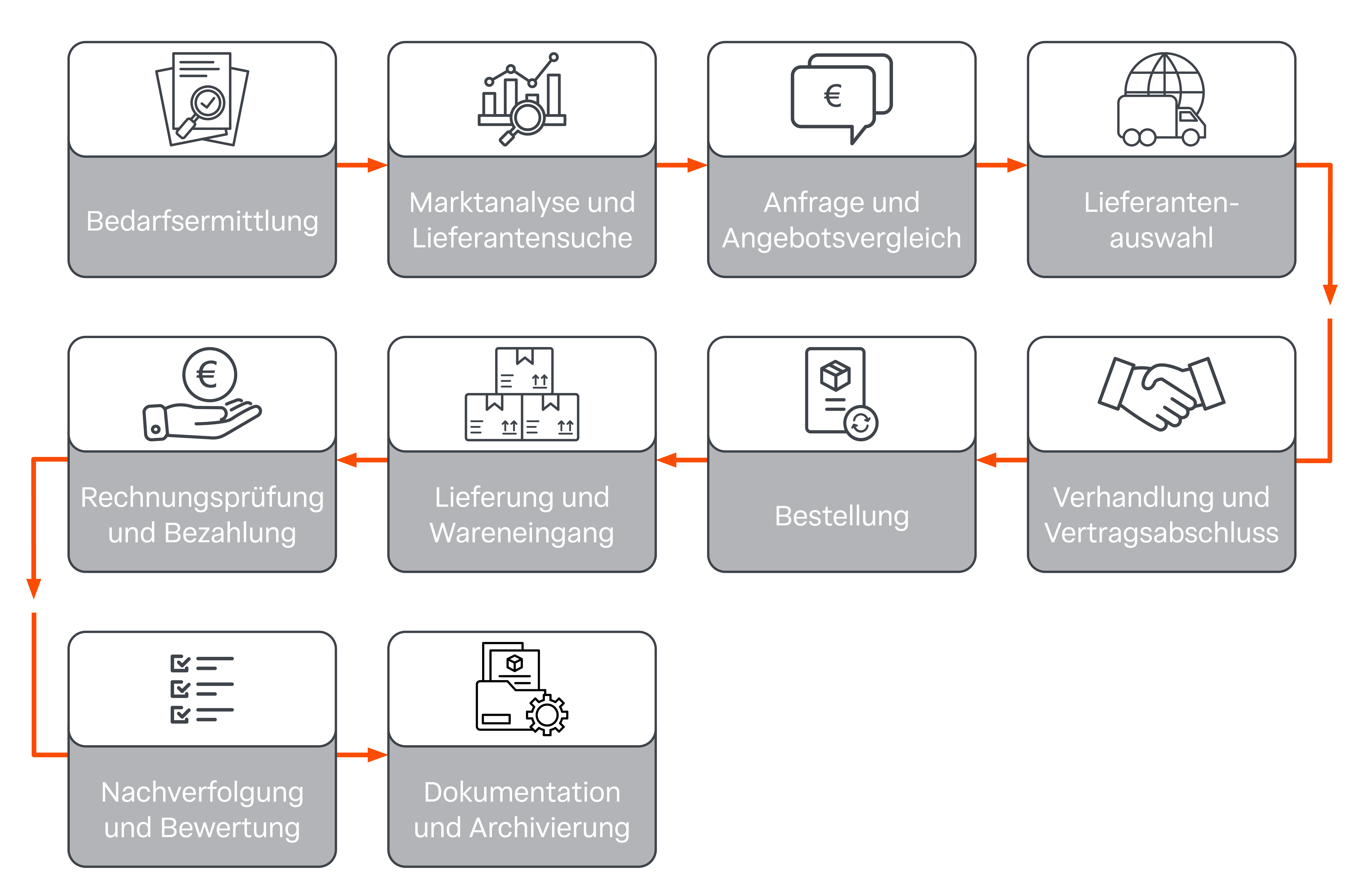
What is the difference between maverick buying and strategic purchasing?Maverick buying is the exact opposite of strategic purchasing. While strategic purchasing aims at long-term planning, supplier evaluation, bundling of requirements and optimization of the total cost of ownership, maverick buying is a reactive, uncoordinated and process-remote procurement that undermines these strategic goals.
Are small companies also affected by maverick buying?Yes, absolutely. Even if the processes in smaller companies are often less formalized, uncontrolled purchasing leads to the same problems here too: missed savings potential, lack of spending control and unnecessary administrative effort. This is precisely where lean e-procurement solutions can quickly provide structure and efficiency.
How can an e-procurement system help in concrete terms?An e-procurement system channels all orders via a central, user-friendly platform. It stores approved supplier catalogs and framework agreements, automates approval processes and creates full transparency across all procurement processes. This makes the official route the easiest and quickest for employees, effectively preventing maverick buying.