09.11.2026


Digital procurement is currently an essential undertaking for making processes in the purchasing department more efficient while simultaneously reducing costs.
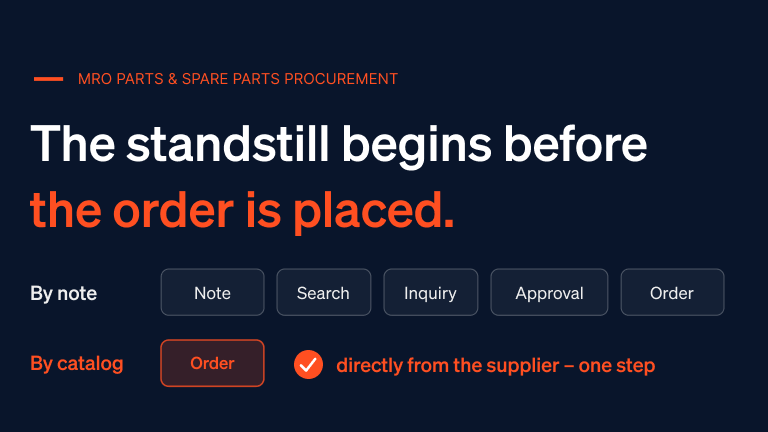
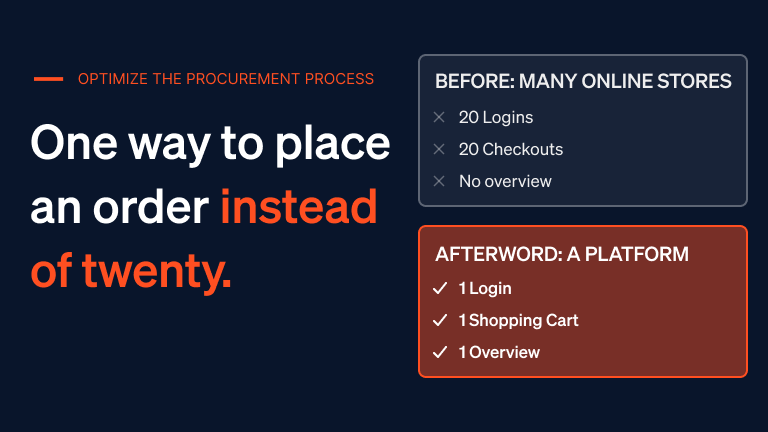
Digital procurement is currently an indispensable endeavor for making processes in the purchasing department more efficient while simultaneously reducing costs. Smart solutions like simple system greatly simplify the procurement process. They provide a central platform and enable easy automation of purchasing processes. As a result, companies benefit from reduced error rates, increased transparency, and optimized collaboration with their suppliers. This makes procurement not only faster but also more strategically valuable.
Procurement encompasses all processes involved in acquiring products and services. It ranges from determining needs and selecting suppliers to placing orders and managing suppliers. Efficient procurement is essential for optimizing costs, ensuring quality, and guaranteeing a reliable supply chain. On top of that, strategic procurement helps minimize risks, implement sustainable purchasing strategies, and build long-term partnerships with suppliers—a lasting boon to a company’s competitiveness.
The Procurement Manager ( also known as a Purchasing Manager or Buyer) is responsible for both strategic and operational activities in purchasing. They analyze needs, select suppliers, and negotiate and optimize purchasing processes. Their operational role is to reduce costs, ensure quality, and maintain delivery capability within their department. The manager defines procurement strategies and monitors their implementation to eliminate delays in the supply chain and excess inventory. For optimal procurement planning, procurement managers or buyers should have sufficient professional experience.
A procurement manager should have extensive experience in purchasing materials or services. Comprehensive knowledge of best practices in goods receipt is crucial—from inspecting delivered goods for quality and completeness to efficient inventory management. Equally important is a needs-based and cost-effective supply chain, which involves precise demand planning, close coordination with internal departments, and the optimization of supplier strategies. The goal is to procure materials and services in the right quantity, at the right time, and at optimal costs, although requirements vary by industry—such as in construction or mechanical engineering.
The procurement process can be broken down into nine steps.
Forward-looking purchasing is of the utmost importance for both small and large companies. It optimizes material procurement costs through long-term contracts and volume discounts. At the same time, it ensures operational quality through the careful selection and evaluation of suppliers. Diversification and stable partnerships minimize risks, thereby strengthening the company’s competitive position. Furthermore, it enables faster responses to market changes in the industry—at exactly the right time.
Sustainable and ethical procurement practices increase the trust of customers and partners. Through effective management of quality costs, companies can reduce their overall costs and, consequently, increase customer satisfaction.
E-procurement digitizes the procurement process via electronic platforms (procurement software). It enables clearly defined and automated workflows—from demand planning to invoicing. Platforms like simple system provide access to a broad supplier network and optimize the entire procurement process. They relieve buyers of manual tasks and give them more freedom for strategic procurement management.
Electronic procurement provides companies with a wide range of attractive benefits. Here are the key advantages at a glance:
The procurement industry is shaped by several key trends. These trends help companies operate more efficiently, sustainably, and resiliently . These developments drive innovation and are transforming the way procurement is strategically managed—depending on the industry.
Digitalization is completely transforming procurement through the use of modern technologies such as predictive analytics and AI-powered decision-making systems. These innovations optimize strategic procurement processes. They also reduce costs and minimize risks in supply chain management.
Predictive analytics enables precise price and demand forecasts. Companies can identify market trends early on and adjust their procurement strategies accordingly. The resulting optimized inventory levels, reduced costs, and improved capital utilization are particularly beneficial. AI-powered systems, on the other hand, automate tedious routine tasks. In addition to routine tasks, they analyze large volumes of data (big data) in real time. They identify potential cost savings, optimize relationships with suppliers, and assist with price negotiations. Suppliers can also be integrated into digital platforms, making collaboration and transparency even better and easier.
Digital solutions increase procurement efficiency through:
A sustainable sourcing integrates environmental, social, and economic criteria into the purchasing process. Companies are increasingly focusing on eco-friendly materials, fair working conditions, and energy-efficient processes. Particularly during goods receipt, it is important for companies to carefully verify the origin of raw materials to ensure that all criteria are met. Taking these factors into account strengthens the company’s brand image, thereby minimizing risks and resulting in long-term cost savings. These criteria must also be observed in logistics—which often spans multiple locations—to ensure efficient and sustainable value creation. In this way, companies secure a competitive advantage in dynamic markets and adapt to the economic situation—even during periods of economic downturn.