![Fabian von Kleinsorgen [VP Growth & Sales Operations]](https://simplesystem.com/hs-fs/hubfs/Autoren_Blog/Fabian_vin_kleinsorgen_autor.png?width=200&name=Fabian_vin_kleinsorgen_autor.png)

09.09.2026

![Fabian von Kleinsorgen [VP Growth & Sales Operations]](https://simplesystem.com/hs-fs/hubfs/Autoren_Blog/Fabian_vin_kleinsorgen_autor.png?width=100&name=Fabian_vin_kleinsorgen_autor.png)

Procurement KPIs measure the efficiency of procurement processes and help reduce costs and improve quality. Important KPIs include cost per order, vendor quality and savings through negotiations. Modern e-procurement platforms such as simple system make these KPIs measurable.
Procurement is the backbone of every company. It has a major influence on the cost structure and on the quality and availability of products and services. In today's competitive business world, efficient procurement management decides between success and failure.
Key performance indicators (KPIs) in procurement act as a compass for companies. They enable a precise evaluation of procurement processes, reveal weaknesses and identify optimization potential. By continuously monitoring these KPIs, companies refine their procurement strategies and increase efficiency.
Key performance indicators (KPIs) are measurable values that quantify the success of specific activities or processes. In procurement, KPIs show the efficiency and effectiveness of the procurement processes. They provide concrete data to assess procurement performance and support well-founded decisions on how to organize and optimize procurement.
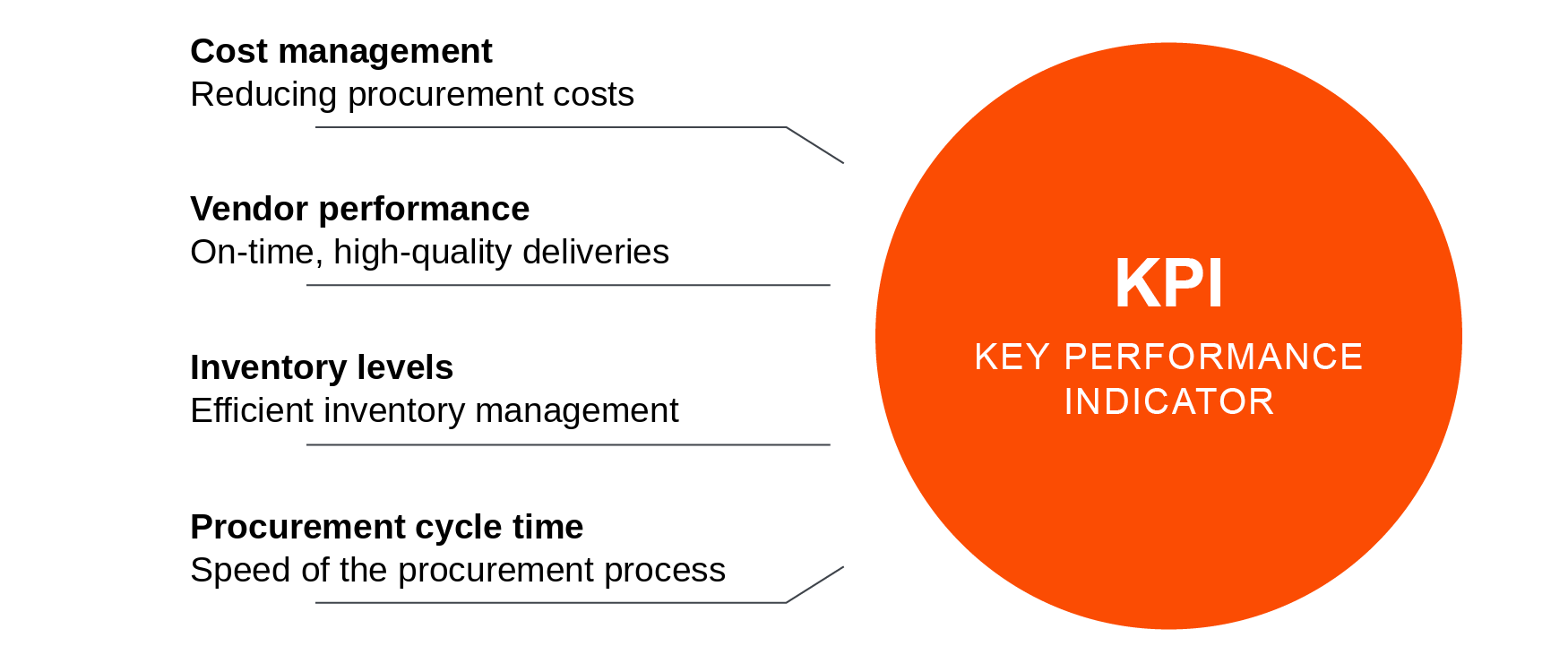
The variety of procurement KPIs lets companies set their own priorities. Still, eleven key figures stand out that serve across industries as the foundation for effective procurement controlling. They provide a solid basis for measuring and maximizing procurement activities.
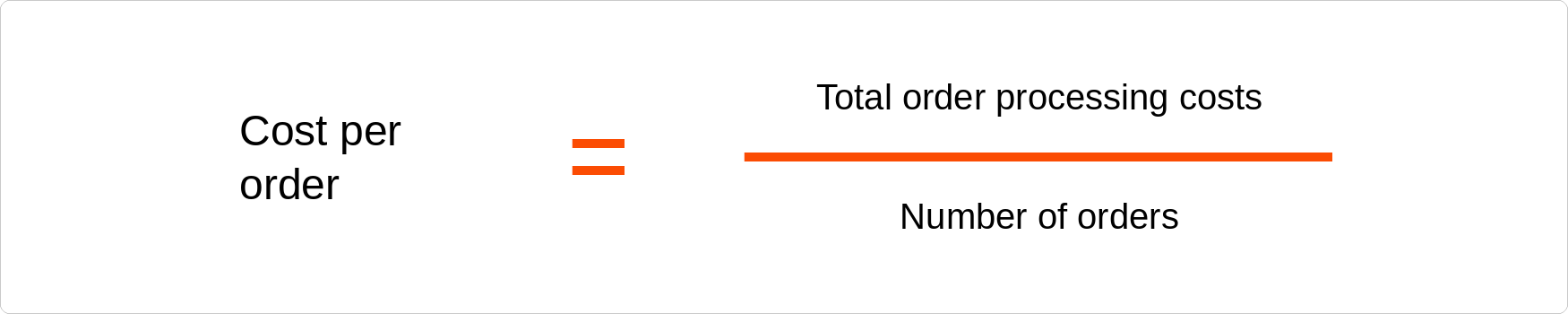
The cost per order shows the efficiency of the ordering process. A company that processes 10,000 orders a year with total costs of 500,000 EUR has costs of 50 EUR per order. Process optimization, such as introducing an e-procurement system, can reduce this value significantly.
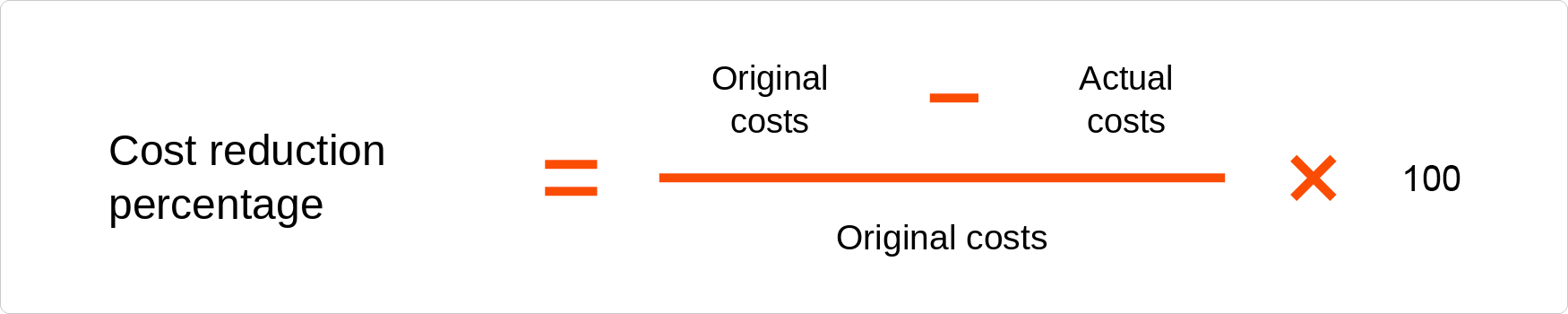
Cost reduction shows the savings achieved through strategic procurement measures. If a company originally spent 1,000,000 EUR on raw materials and lowered the price to 900,000 EUR through renegotiation, the cost reduction is 10 percent.
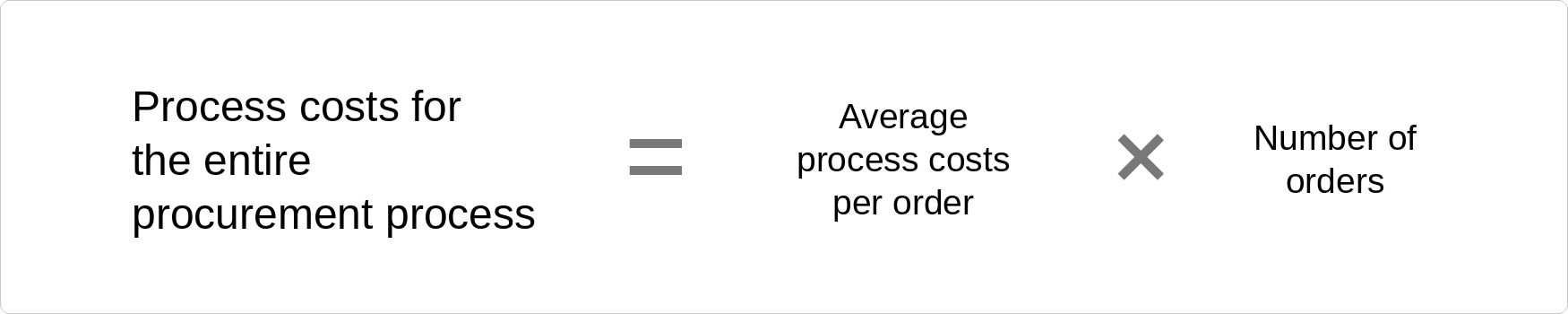
Process costs for C-parts show the cost structure of procuring low-value materials. According to a study by HTWK Leipzig, an analog ordering process costs around 146 EUR. With full digitalization, process costs drop to 86 EUR. That is a saving of 60 EUR per order.
Process costs arise from different types of effort:
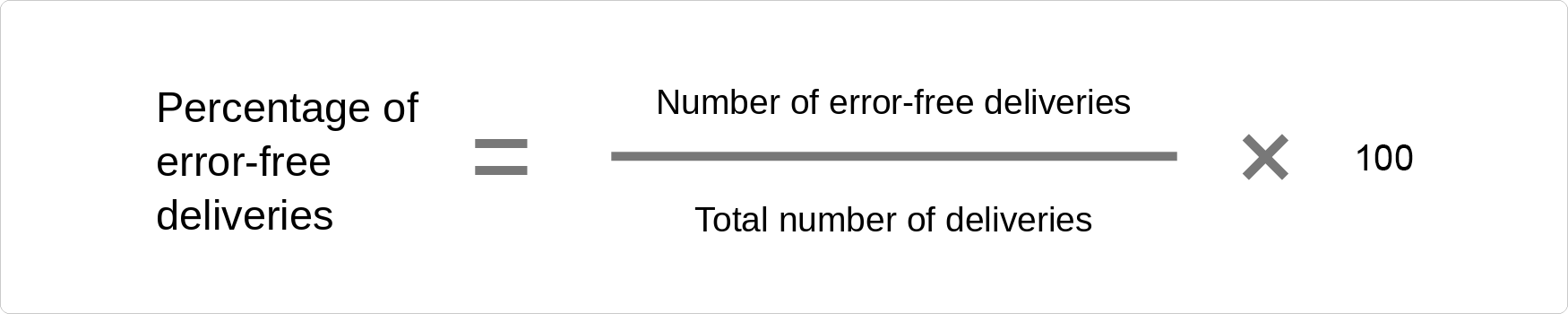
Vendor quality reflects the reliability of vendors. With 1,000 deliveries a year, 980 of which were error-free, vendor quality is 98 percent. A high rate minimizes rework and production downtime and increases performance and efficiency.
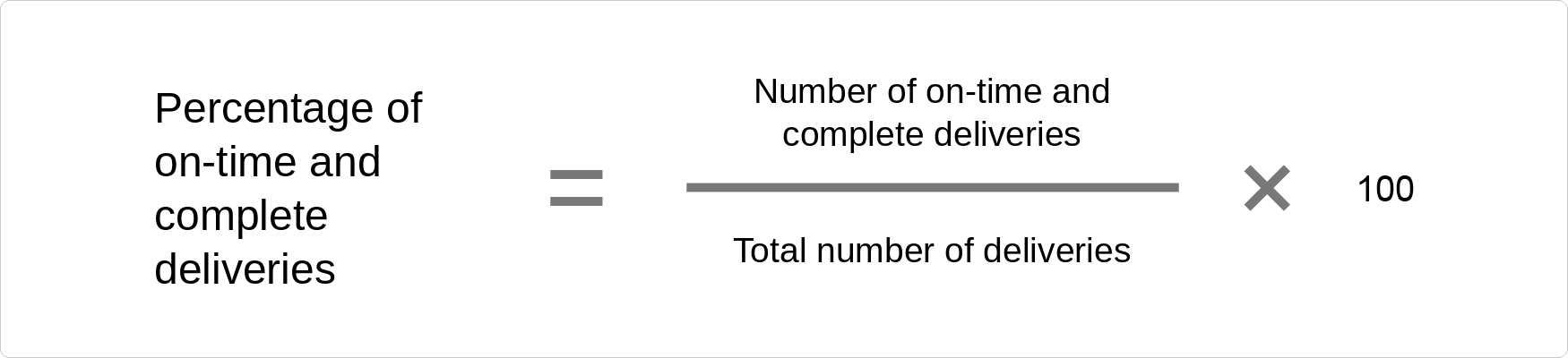
The OTIF rate measures the punctuality and completeness of deliveries. With 500 deliveries, 475 of which arrived on time and in full, the OTIF rate is 95 percent. A high rate ensures smooth production and increases customer satisfaction.
This KPI quantifies the negotiation skills of the procurement team. If renegotiation lowers the price of a component from 100 EUR to 90 EUR, the saving is 10 percent. Added up across all negotiations, it shows the potential for significant cost reductions. That makes it another important indicator of efficiency in e-sourcing.
The optimal number of vendors balances risk minimization and administrative efficiency. A company with 1,000 vendors could reduce administrative costs by consolidating to 800 vendors and at the same time strengthen relationships with its core vendors.
The procurement cycle time directly affects a company's responsiveness. Reducing it from an average of 30 to 25 days allows more flexible adjustments to market changes and optimizes inventory.

Another important KPI is the purchase volume per vendor. It helps to identify dependence on vendors. If 30 percent of the purchase volume goes to a single vendor, you should diversify the risk.
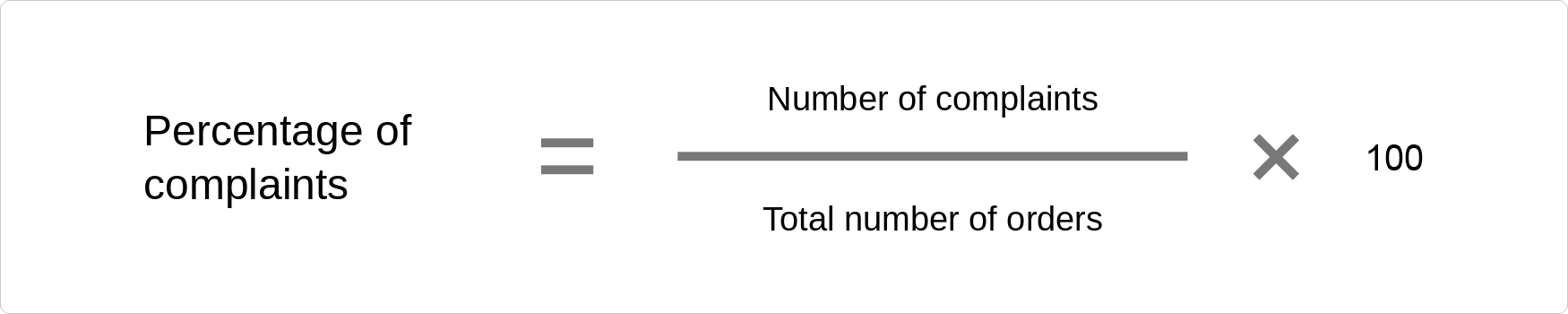
The complaint rate reflects satisfaction with vendors. With 1,000 orders and 20 complaints, the rate is 2 percent. A low rate reduces rework costs and strengthens customer satisfaction.
ROI quantifies the value contribution of procurement. With savings of 500,000 EUR and investment costs of 200,000 EUR, the ROI is 150 percent. A high ROI justifies investments in procurement resources and technologies.

Sustainability KPIs are becoming increasingly important:
Knowing the relevant KPIs is the basis for effective procurement optimization. Applying them in practice enables continuous improvement of the procurement processes. By systematically recording and analyzing KPIs, companies identify bottlenecks, eliminate inefficiencies and increase their overall performance. Procurement becomes more efficient as a result.
Strategic procurement planning covers the long-term alignment of procurement activities with corporate goals. KPIs support it by defining measurable goals and making progress transparent. For example, analyzing the number of vendors and the purchase volume per vendor helps develop a vendor consolidation strategy.
Strategic planning defines concrete strategies to reduce costs and improve the quality of procured products. Strategic procurement also focuses on improving the supply chain, selecting the best vendors, optimizing inventory and integrating innovative technologies to secure competitive advantages.
KPIs such as cost per order and purchase volume per vendor enable targeted optimization of the procurement volume. By identifying high-volume vendors, companies use economies of scale and negotiate better conditions. At the same time, analyzing the procurement cycle time helps optimize order quantities and frequencies.
Looking at cost reduction reveals the savings potential of strategic procurement measures. Monitoring the number of vendors also helps strike a balance between risk minimization and efficiency. By using economies of scale, companies can reduce their unit costs significantly.
Procurement controlling is the systematic planning, management and control of all procurement activities. By continuously monitoring KPIs such as cost reduction and ROI in procurement, companies identify and realize long-term savings potential.
Effective controlling enables proactive adjustments of the procurement strategy to changing market conditions. It also supports strategic decisions by providing the data and KPIs needed for well-founded procurement decisions.
With simple system, orders run through one central platform. The purchasing analytics in the Controlling module evaluate orders, price developments and vendors and so provide the data basis for your procurement KPIs. Budgets, Accounting and approval workflows help you meet defined KPI targets.
Our platform offers access to more than 1,000 vendors and reduces manual effort in order processing, goods receipt and invoice checking. simple system also offers a simple SAP integration and helps companies optimize their procurement processes sustainably.
Procurement KPIs are the foundation of efficient procurement management and enable a holistic evaluation of procurement performance. The eleven most important key figures are cost per order, cost reduction, process costs for C-parts, vendor quality, delivery reliability (OTIF), savings through negotiations, number of vendors, procurement cycle time, purchase volume per vendor, complaint rate and return on investment (ROI) in procurement.
Sustainability KPIs such as the share of sustainable vendors or the CO₂ footprint of procurement also strengthen ecological and social responsibility in sourcing. Using the right KPIs strategically lets companies identify bottlenecks, eliminate inefficiencies and increase their overall procurement performance.
A modern e-procurement platform such as simple system makes procurement processes transparent, reduces costs and integrates with existing ERP systems. Transparent analytics and automated processes reduce errors, speed up workflows and make procurement and logistics more efficient.
Consistently applying procurement KPIs, supported by modern technology, paves the way for long-term cost savings, higher competitiveness and a more sustainable procurement strategy. Companies that use these tools effectively optimize their procurement processes and gain a decisive advantage in global sourcing.