12.11.2026


Procurement 4.0 optimizes processes with AI and cloud solutions, reduces costs, increases efficiency and supports data-based decisions. Despite the challenges, digitalization offers great opportunities for competitiveness and sustainability.
Procurement has changed fundamentally in recent years. As digitalization advances, companies increasingly rely on automated processes to make their procurement more efficient and transparent. Modern technologies such as artificial intelligence, big data and cloud solutions make it possible to optimize classic operational procurement, reduce costs and react faster to market changes. This shift, often referred to as procurement 4.0, is crucial for staying competitive in a connected, data-driven industry.
Procurement management 4.0 describes the digitalization and automation of procurement processes, shaped by new technologies such as big data, AI and cloud solutions. This evolution of traditional procurement enables companies to make their procurement strategies much more efficient, flexible and transparent, which is an essential requirement in today's connected world.
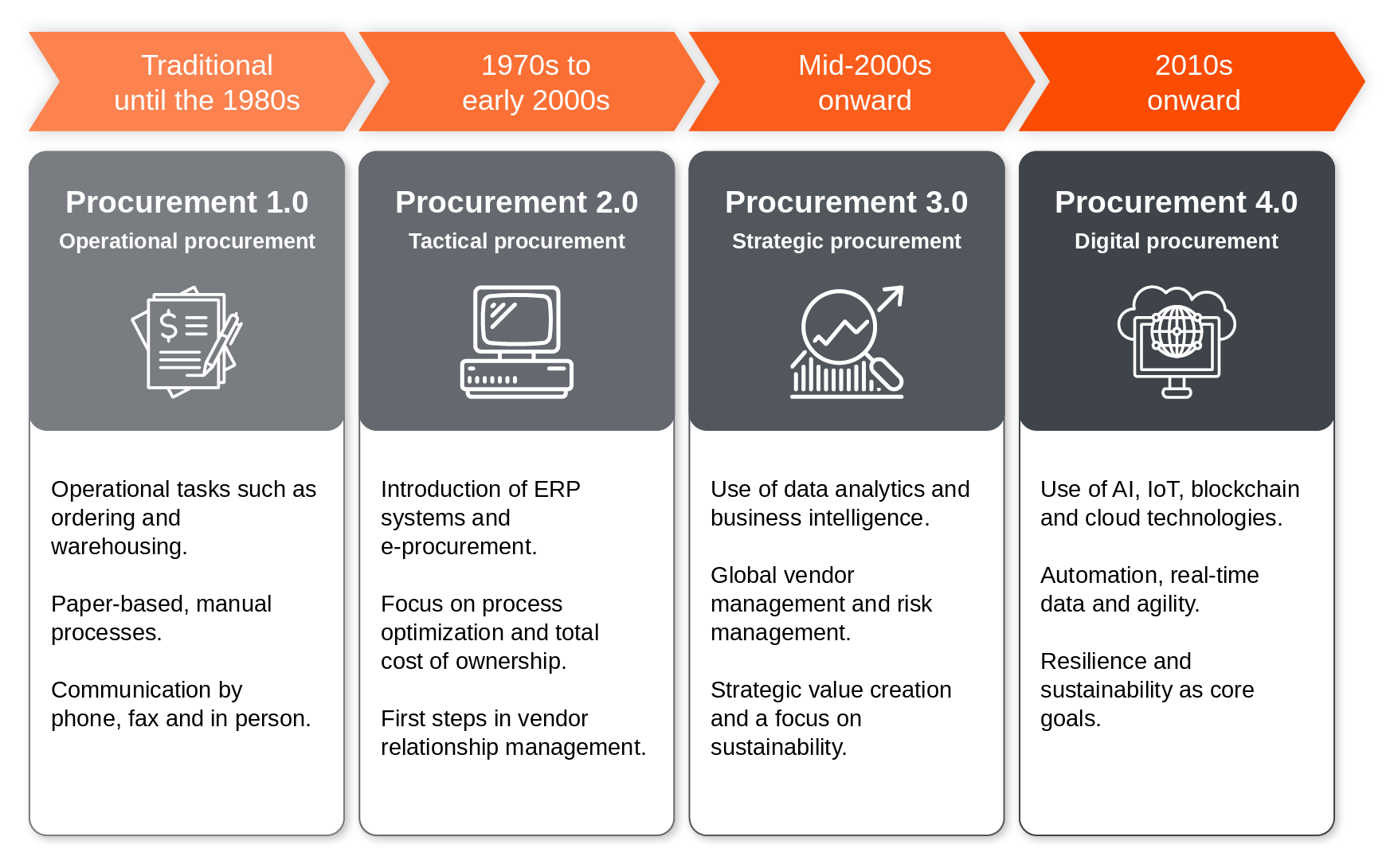
The shift from classic procurement to procurement 4.0 brings the following changes:
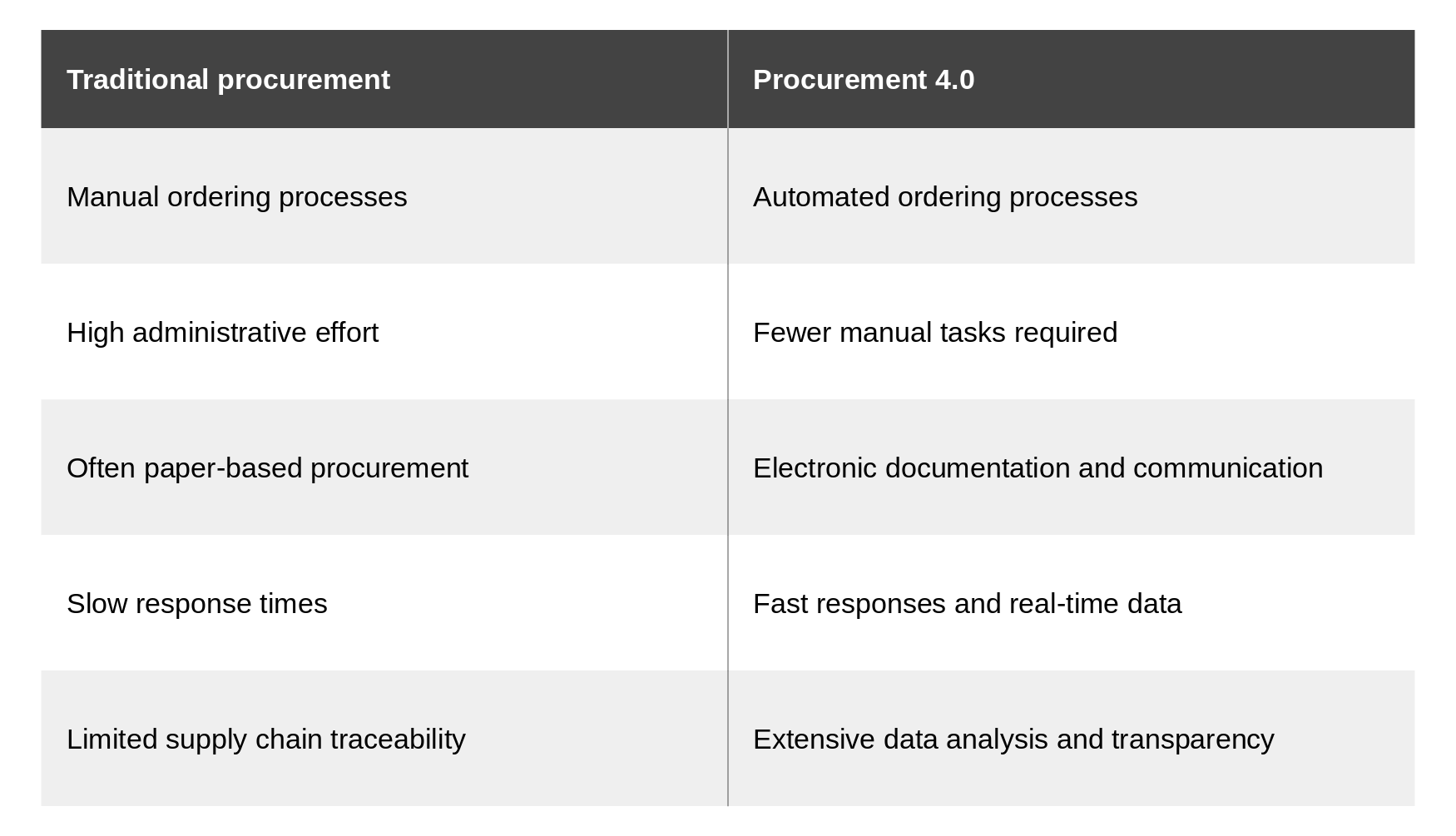
Several technical innovations are essential for procurement 4.0:
Digitalization in procurement offers many advantages, such as process optimization, cost savings and higher efficiency. Digital workflows and modern systems simplify many tasks that used to be done by hand. However, the change also brings new challenges that companies have to master to fully realize the potential.
Companies need to adapt existing structures, integrate new systems and prepare everyone involved for new tools and workflows. Data security and the ability to keep up with fast-changing procurement trends are also central factors in the success (or failure) of digitalization.
Some problems can make the switch harder. The most common are:
New technologies such as simple system help you eliminate many sources of error in procurement. Automated processes minimize human error. Real-time data and AI also make it possible to identify and resolve problems much faster.
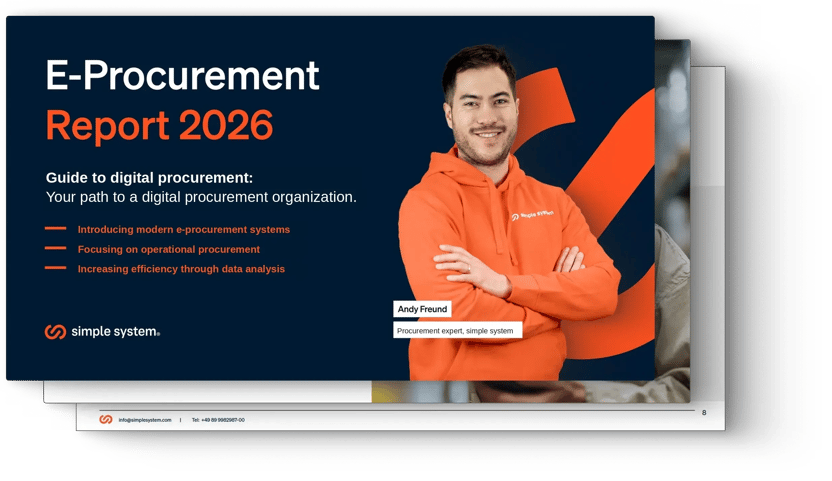
Find out how in our free e-procurement report. Download it now, free and without obligation.
Read nowProcurement 4.0 offers companies many advantages, because digital and automated processes not only increase efficiency and transparency but also create strategic benefits.
With intelligent systems, companies can react faster to upcoming market changes, optimize their supply chains and reduce procurement costs in the long term. Automation also reduces errors, relieves employees of routine tasks and enables better planning through data-based decisions. This makes procurement not only more efficient but also more strategically valuable for long-term business success.
Automating procurement brings many advantages that increase efficiency considerably. The most important are:
simple system changes how companies organize and manage their procurement. As an e-procurement platform, simple system offers a user-friendly solution that makes the entire procurement process more efficient, transparent and cost-effective. With a clear focus on process optimization, simple system helps companies digitalize and simplify their ordering while keeping full control and visibility over their procurement.
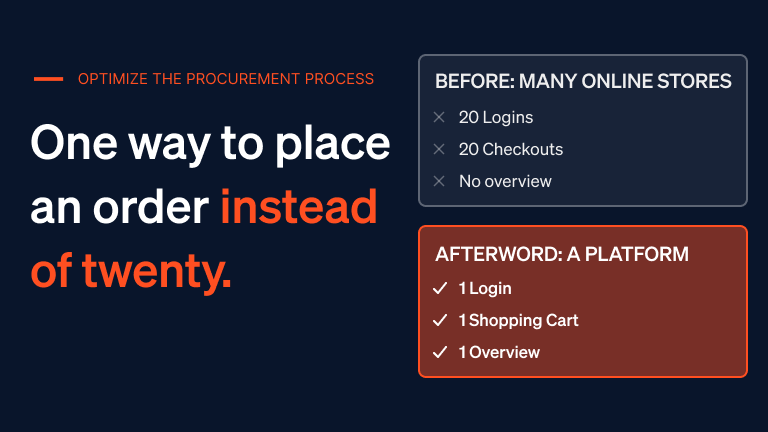
The platform connects more than 28,000 buyers with over 1,000 vendors. Companies source everyday items from a broad vendor catalog, manage orders digitally and automate recurring processes. This saves valuable time and reduces manual errors, while a central real-time overview keeps track of all orders, deliveries and spend.
With simple system, companies, especially mid-sized businesses, can modernize their procurement and benefit from digitalization. The software is flexible, scalable and tailored to individual user needs. The goal: to make procurement simple, efficient and future-proof. You can test the platform free of charge for 30 days.
Procurement 4.0 uses automation and modern technologies such as AI and cloud solutions to increase efficiency, reduce costs and create transparency in the supply chain. Companies can minimize manual tasks and make data-based decisions.
However, digitalization also brings challenges, such as integrating new systems, data security and employee training needs. Despite these hurdles, digital transformation offers great opportunities that companies of every size can use to increase their competitiveness and achieve lasting improvements in procurement.