![Fabian von Kleinsorgen [VP Growth & Sales Operations]](https://simplesystem.com/hs-fs/hubfs/Autoren_Blog/Fabian_vin_kleinsorgen_autor.png?width=200&name=Fabian_vin_kleinsorgen_autor.png)

09.09.2026

![Fabian von Kleinsorgen [VP Growth & Sales Operations]](https://simplesystem.com/hs-fs/hubfs/Autoren_Blog/Fabian_vin_kleinsorgen_autor.png?width=100&name=Fabian_vin_kleinsorgen_autor.png)

Risk management in procurement ensures security and efficiency. Proactive management helps identify and mitigate disruptions such as vendor insolvencies, price fluctuations or quality problems early. Strategies and digital tools like simple system create transparency, automate routines and help limit risks. This way, companies secure costs, continuity and competitiveness in the long term.
Risk management in procurement is an essential part of every business process. Companies that approach risk management proactively can minimize potential losses from errors, vendor problems or market fluctuations. With targeted risk mitigation strategies, companies can make their procurement safer and more efficient in the long term.
Risk management in procurement covers identifying, assessing and minimizing potential risks that could affect a company's procurement process. It helps companies react proactively to challenges such as supply chain problems, vendor failures, price volatility or quality defects before they become serious problems.
In manual procurement, risk management can be very time-consuming and error-prone, because many factors have to be monitored by hand. Digital tools like simple system, by contrast, make the process transparent: orders, vendors and spend are visible centrally, and approvals follow fixed rules. Deviations are noticed earlier, before they lead to supply shortages or other losses.
Find out how in our free e-procurement report. Download it now, free and without obligation.
Read nowEvery procurement transaction involves various risks that can disrupt smooth operations and cause financial, legal or quality-related damage. These risks can relate to vendors, prices, quality or on-time delivery. It is therefore essential to identify risks early and minimize them in a targeted way to secure the continuity and efficiency of procurement.
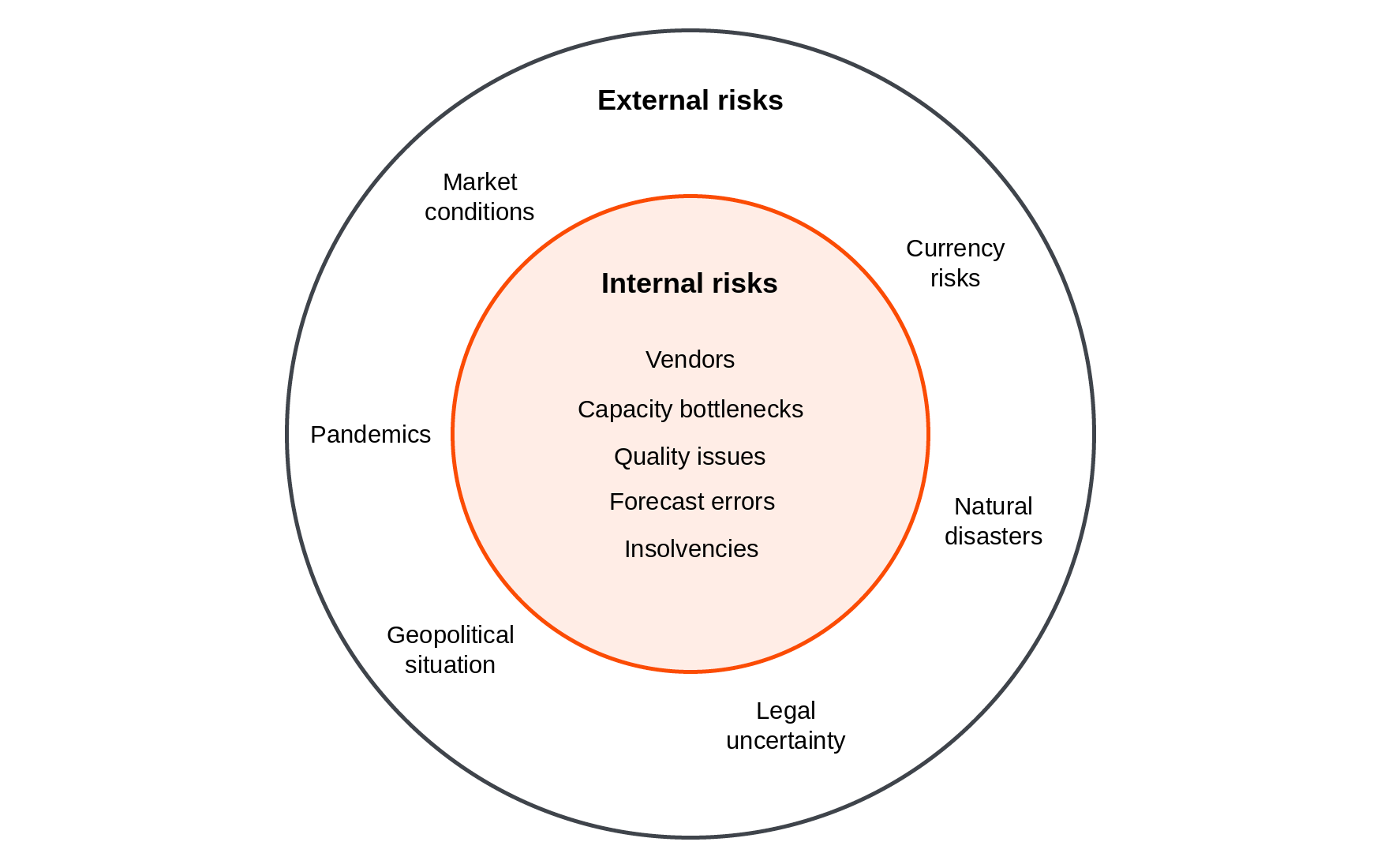
Risk identification is an important task for recognizing possible risks early and reducing them in a targeted way. The following uncertainties can arise in procurement:
There are numerous ways to implement risk management sustainably in a company. These include employee training, specialized tools and regular risk analyses. A structured approach ensures that risks are identified in time and preventive measures can be taken.
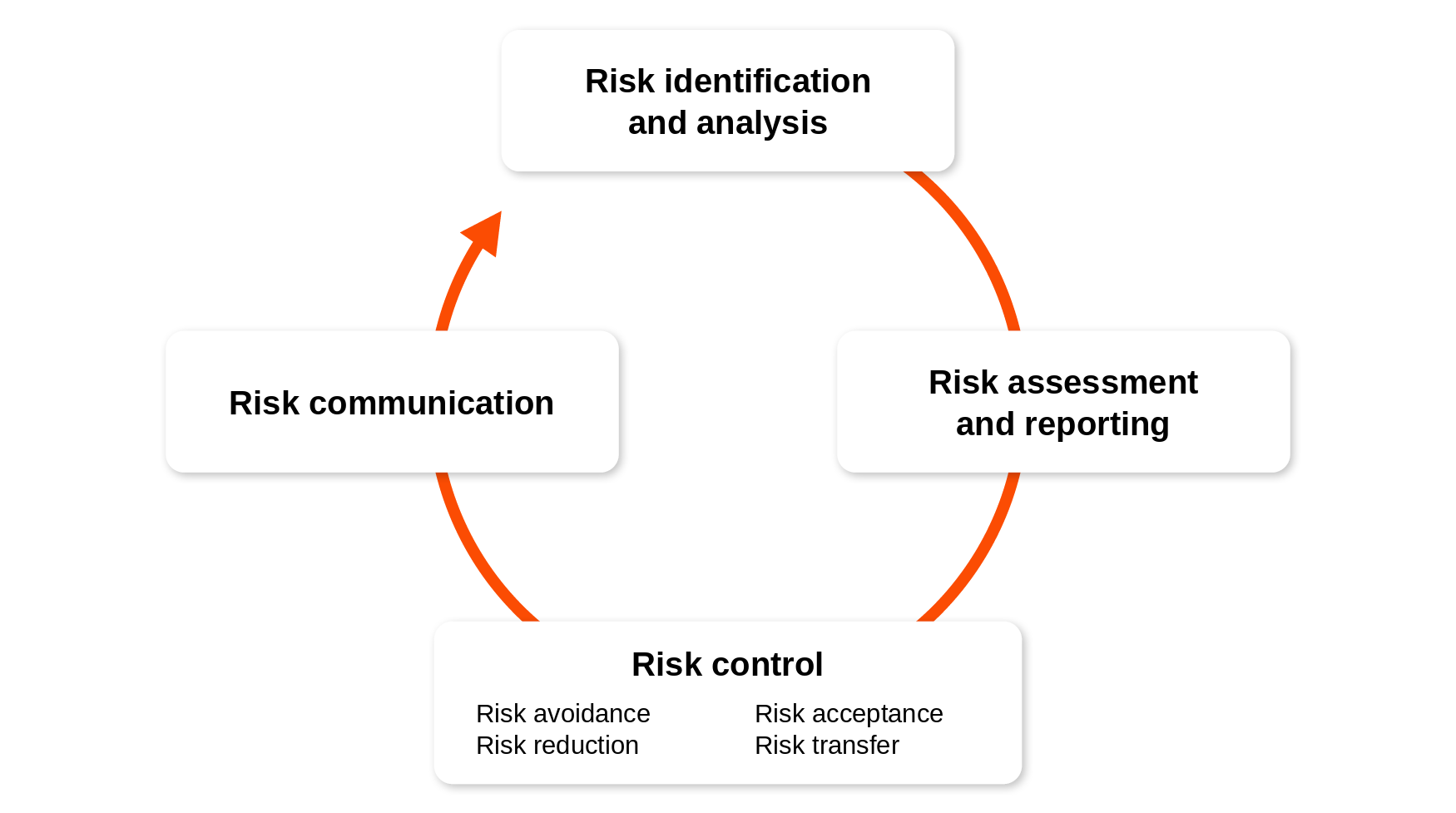
There are several strategies for reducing risk effectively. The following can be used to implement successful risk management:
simple system helps companies reduce risks in indirect procurement. More than 1,000 vendors on one platform make diversification easier, orders go only to approved vendors at agreed terms, and digital approvals and budgets prevent maverick buying. All orders and spend are traceable at any time, which also supports compliance requirements.
Risk management in procurement is central to ensuring security and efficiency in procurement. Companies with proactive risk management can identify and mitigate potential disruptions such as vendor insolvencies, price fluctuations or quality problems early. Targeted strategies and measures minimize these risks effectively, which saves costs in the long term and secures business continuity.
Digital tools like simple system play an important role by bringing transparency to procurement management and reducing recurring sources of error through automation. They help companies identify risks, optimize processes and react quickly to market changes. Overall, structured risk management strengthens a company's stability and competitiveness.