12.11.2026


A stable, reliable supply chain is no longer an advantage but a necessity. Your company's success depends heavily on the quality and reliability of your vendors. But a good vendor relationship does not happen by chance. It needs a solid foundation: a professionally drafted vendor contract.
Many companies still rely on verbal agreements or short emails. That quickly leads to misunderstandings, supply failures and costly disputes. This guide shows what belongs in a legally sound, practical vendor contract.
A vendor contract (also called a supplier contract) is a legally binding agreement between a company (the buyer) and a vendor. It sets out the terms of the business relationship and the rights and obligations of both parties, especially for the purchase and delivery of specific products or services. That makes it the central management tool of every professional vendor relationship.
Relying on trust alone is risky in professional procurement. Verbal promises are hard to prove in a dispute, and vague wording in emails leaves too much room for interpretation. A detailed contract is therefore not a sign of mistrust but of professionalism. It is a building block of effective vendor management. The main benefits:
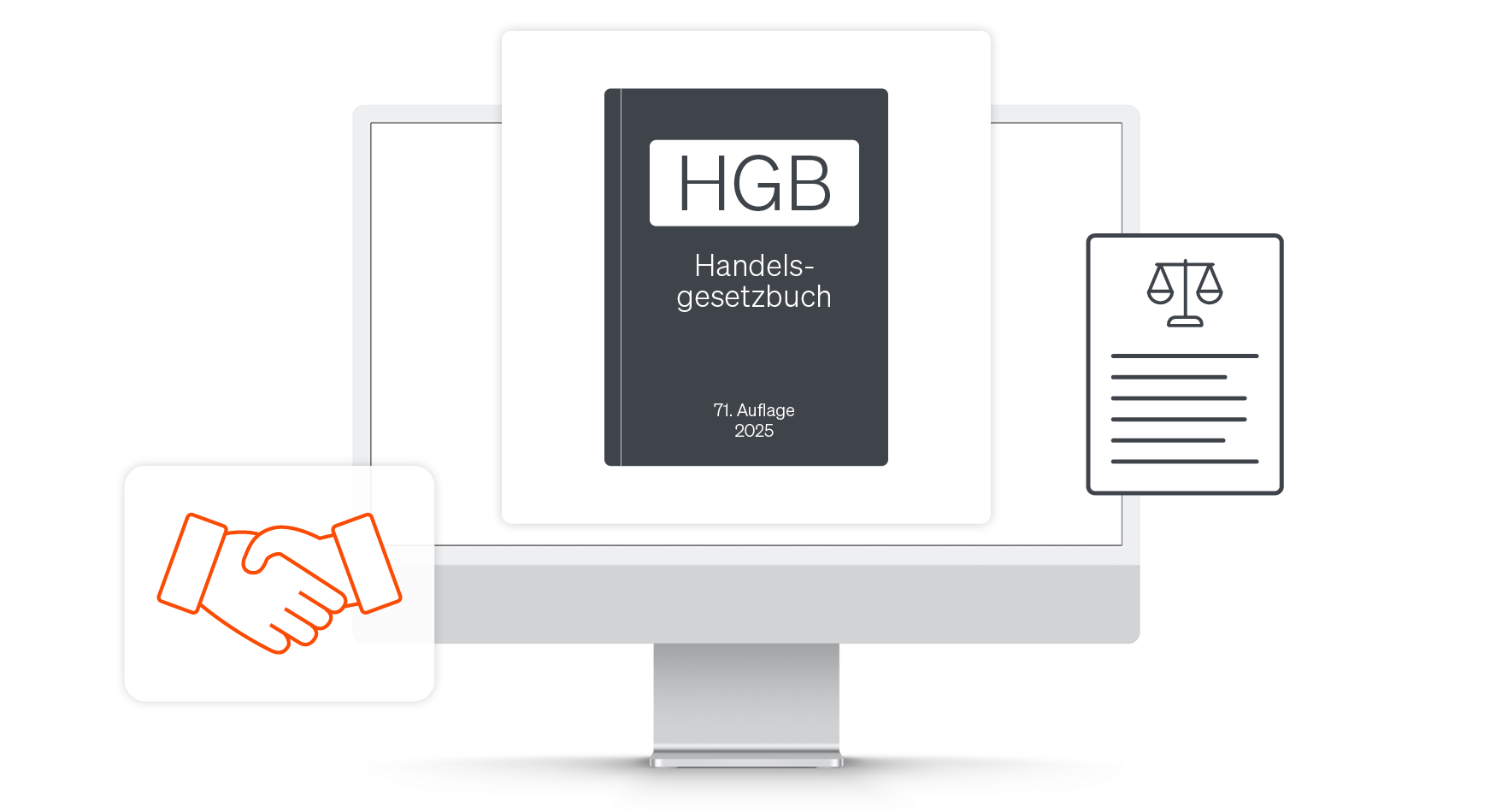
There is no specific "vendor law" in Germany. The legal provisions come from several statutes. Vendor contracts are usually classed as purchase contracts (Section 433 of the German Civil Code, BGB) or contracts for work and materials (Section 650 BGB). In B2B business between merchants, the German Commercial Code (HGB) also applies. For example, it imposes stricter obligations to inspect goods promptly and give notice of defects.
The statutory rules only set the framework, which you fill with individual contractual agreements. For cross-border supply chains, international rules such as the Incoterms or the UN Convention on Contracts for the International Sale of Goods (CISG) also apply. The German Federal Office of Justice publishes the German Commercial Code (HGB) online.
Find out how in our free e-procurement report. Download it now, free and without obligation.
Read nowA vendor contract is only as strong as its clauses. An incomplete contract gives a false sense of security. Every professional vendor contract should include these elements:
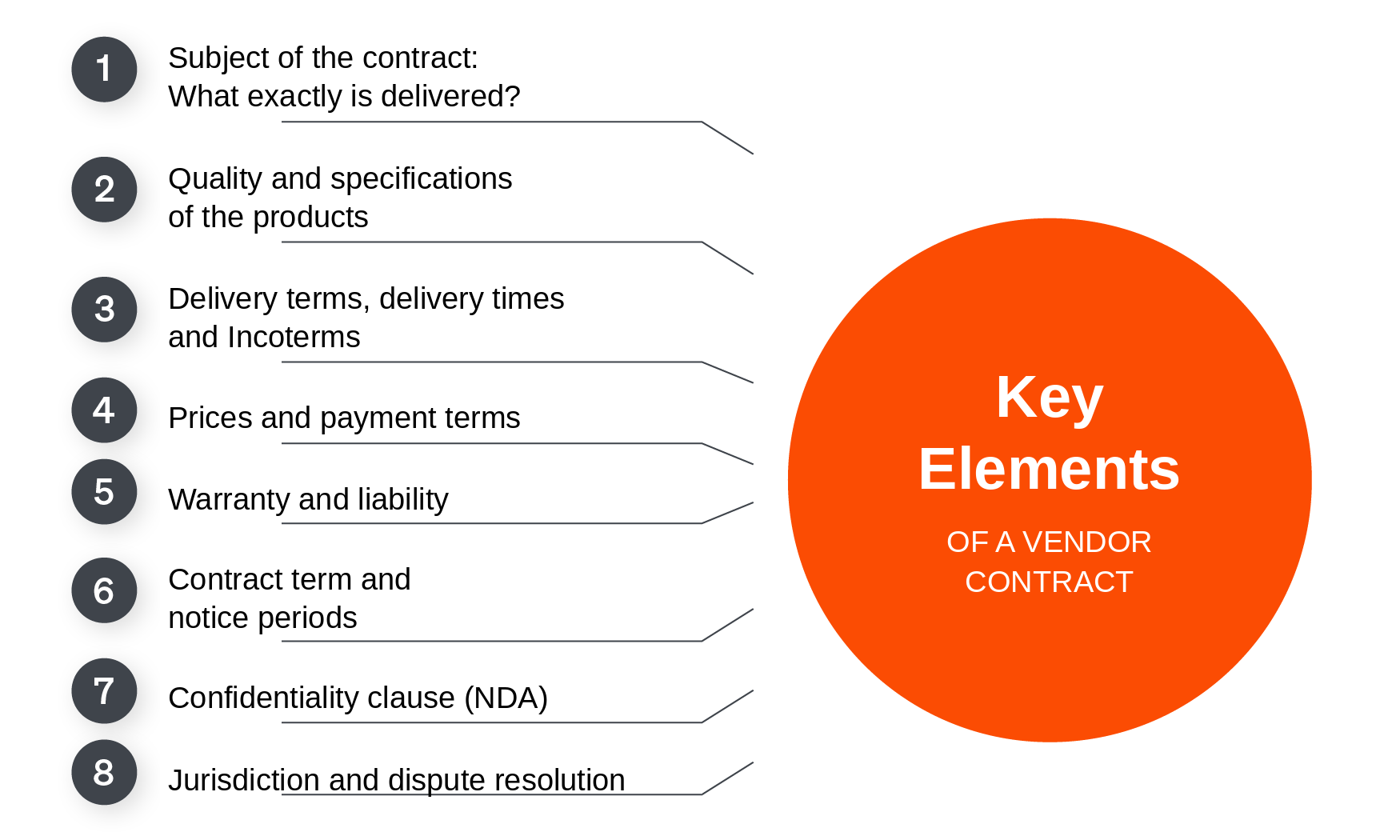
Describe the subject matter as precisely as possible. "Screws" or "IT services" is not enough. List item numbers, type designations, quantities and a detailed description of the goods or services. For services, define the scope through service levels.
Set binding quality standards, such as norms (DIN, ISO), technical data sheets or reference samples. It is good practice to anchor regular reviews through vendor evaluation in the contract. Also define the consequences of quality defects: rework, price reduction or replacement delivery.
Clearly specify when and where delivery takes place. Fixed delivery times are essential for your planning. The transfer of risk is just as important: from when does the buyer bear the risk of loss or damage? The internationally recognized Incoterms define standardized responsibilities for transport, costs and insurance.

The price agreement must be transparent. Is it a fixed or variable price? Are there price adjustment clauses, for example for raw material prices or inflation? The payment terms define when and how payment is made. Typical terms include payment periods (e.g. 30 days net), early payment discounts or down payments.
The warranty sets out the buyer's claims in the event of defects. Contractual agreements can extend the statutory rules or, within limits in B2B, restrict them. Liability clauses define how far a party is liable for damage resulting from breaches of contract. For certain cases, such as late delivery, a contractual penalty can be agreed.
A supply contract can be fixed-term or open-ended. Define the term and the conditions for ordinary termination, especially the notice period. A clause for extraordinary termination for good cause, such as repeated serious breaches or the partner's insolvency, is just as important.
Partners often exchange sensitive information, such as technical drawings, price lists or customer data. A confidentiality clause (non-disclosure agreement, NDA) protects this information and prohibits disclosure to third parties.
The jurisdiction clause determines which court is responsible for disputes. Arbitration is an alternative that is often faster and more discreet. Also define which law applies, especially for cross-border supply chains.
Model contracts, such as those provided by German chambers of commerce (IHK), can serve as a guide. Every template must be adapted to your company's requirements, though. This article is not legal advice.
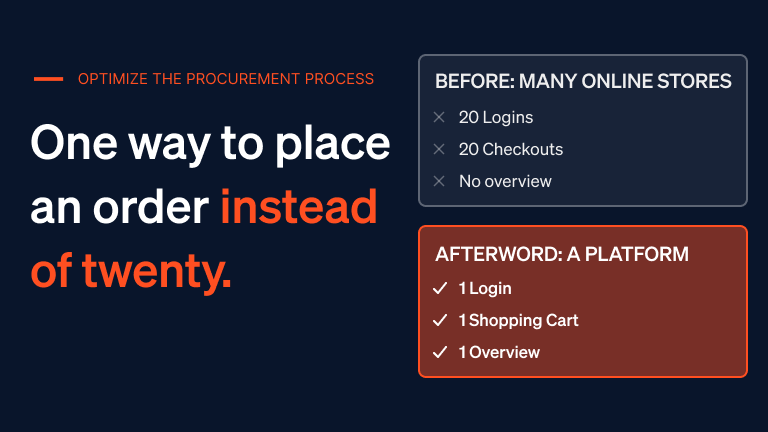
Even the best contract is of little use if people order around it. In indirect procurement in particular, many employees order from different vendors, often without knowing the agreed terms. This is known as maverick buying.
On simple system, more than 28,000 buyers order from over 1,000 vendors through one access point, at their own negotiated terms. Approvals run digitally, and order data goes straight into the ERP. That way your contract terms apply to every order.
A professional vendor contract is more than a bureaucratic necessity. It is the backbone of a stable, crisis-proof supply chain. Clear rules prevent misunderstandings before they arise and create the basis for a trusting partnership on equal terms. Careful contract design pays off in the long run: smooth processes, predictable costs and a resilient business relationship.
Want to make sure your terms apply to every order? Try simple system free for 30 days or book a demo.