![Jörg Schmidt [Head of Vendormanagement]](https://simplesystem.com/hs-fs/hubfs/Autoren_Blog/Joerg_schmidt_autor.png?width=200&name=Joerg_schmidt_autor.png)
09.09.2026

![Jörg Schmidt [Head of Vendormanagement]](https://simplesystem.com/hs-fs/hubfs/Autoren_Blog/Joerg_schmidt_autor.png?width=100&name=Joerg_schmidt_autor.png)

An efficient purchasing process is key to cutting costs and staying competitive. While direct procurement of raw materials and components often takes center stage, indirect purchasing deserves just as much attention.
Optimizing indirect purchasing matters at least as much as optimizing direct procurement. This article explains the basics of indirect purchasing, the role of indirect vendors and strategies that improve this area effectively.
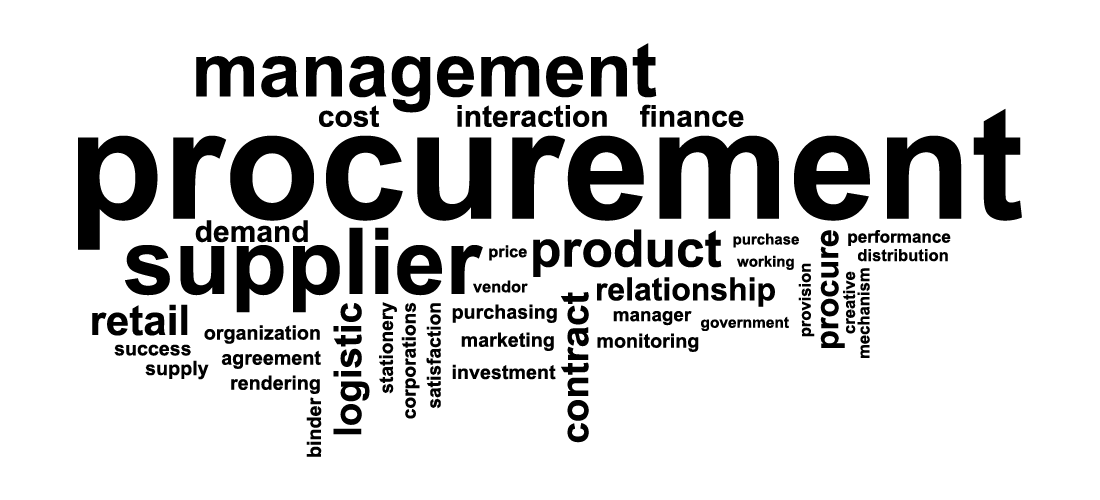
Indirect purchasing is the procurement of goods and services that do not go directly into a company's end products but are needed to run the business. Examples include office supplies, IT software, workwear and safety equipment, tools, consulting, facility management, travel and training.
Indirect purchasing can account for a significant share of total spend, which makes it a big lever for cost savings and efficiency. Managing it well takes a clear strategy, careful vendor selection, negotiation skills and technology that automates and simplifies procurement processes.
Direct purchasing
Indirect purchasing
Indirect procurement directly affects operational efficiency and cost structure. Because it spans many departments, many requesters and many vendors, unnecessary costs and maverick buying, meaning orders placed outside agreed processes, build up quickly.
Targeted optimization pays off: savings from vendor negotiations, efficient and standardized procurement processes, consolidated vendor relationships and automated routine tasks.
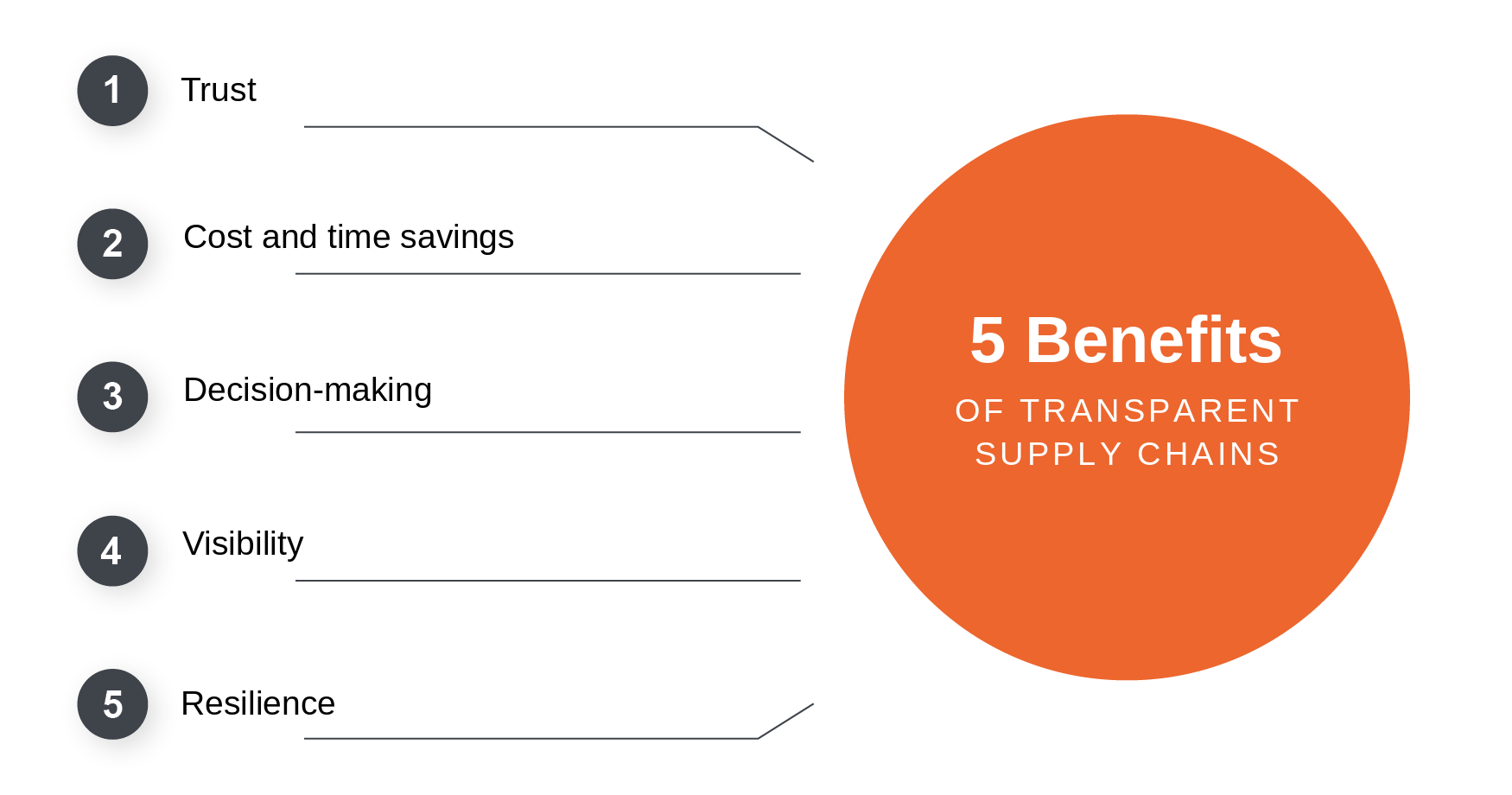
Transparency with indirect vendors is the foundation of efficient procurement. Clear communication, regular reviews and data analysis give companies a complete picture of their vendor base. That means better control over costs, quality and risk.
Effective procurement processes for indirect spend are essential for cost control and lean operations. Standardized processes, digital procurement platforms and clear policies keep purchasing efficient and transparent.
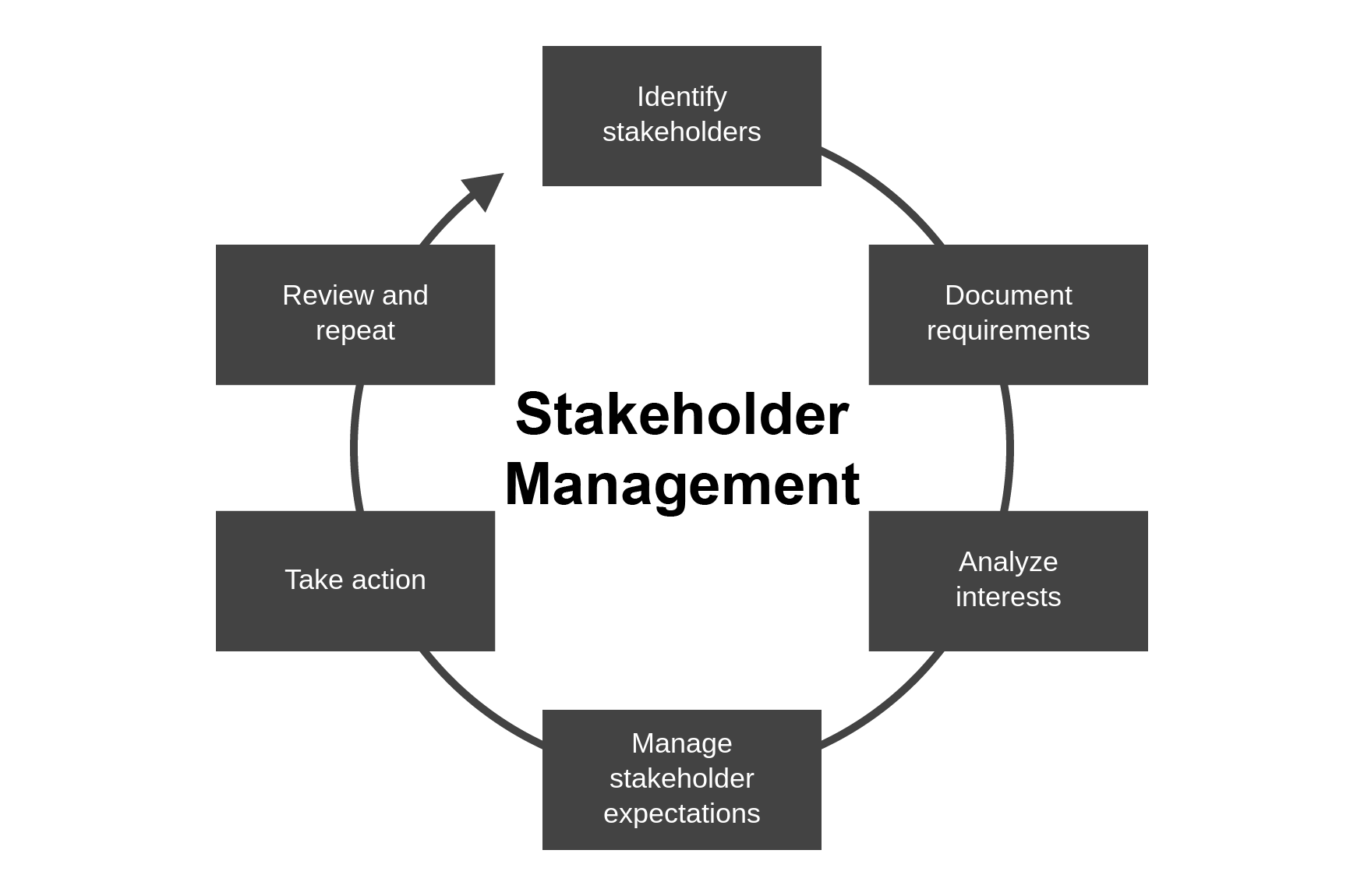
In indirect purchasing, many departments place orders. Involving internal departments, vendors and external service providers early ensures that everyone's needs are taken into account. That supports collaboration, transparency and acceptance of new processes.
Tendering means defining requirements and collecting offers, which are then evaluated on quality, price and delivery time. In sourcing, companies choose the best-fitting vendors based on reliability, experience and capacity. A structured approach increases efficiency and helps keep costs under control.
The biggest lever is often not the item price but the process cost. According to HTWK Leipzig, digital procurement reduces process costs per order from €146 to €86. Combined with vendor consolidation and better terms, companies can cut costs and strengthen their competitiveness.
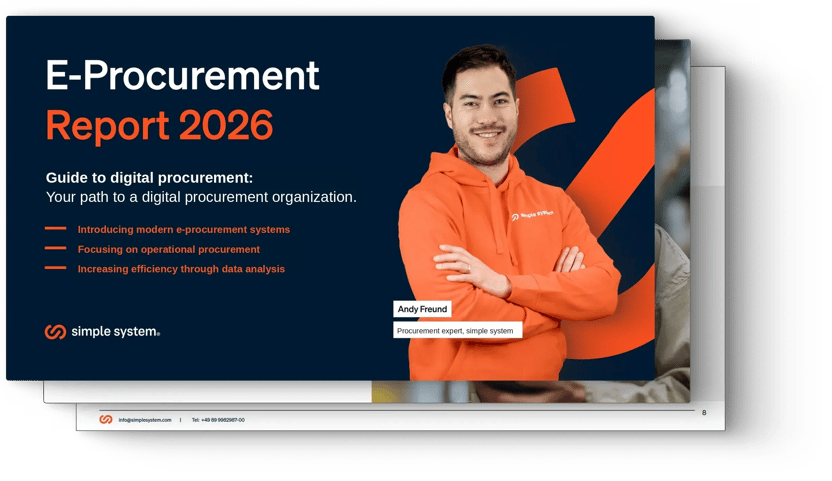
Find out how in our free e-procurement report. Download it now, free and without obligation.
Read nowDigital platforms, automation and data analysis are changing how companies design and manage their procurement processes. They enable faster and more accurate procurement of indirect materials, cut costs and reduce risk. Digitalization also makes it easier to connect vendors and creates a transparent procurement environment.
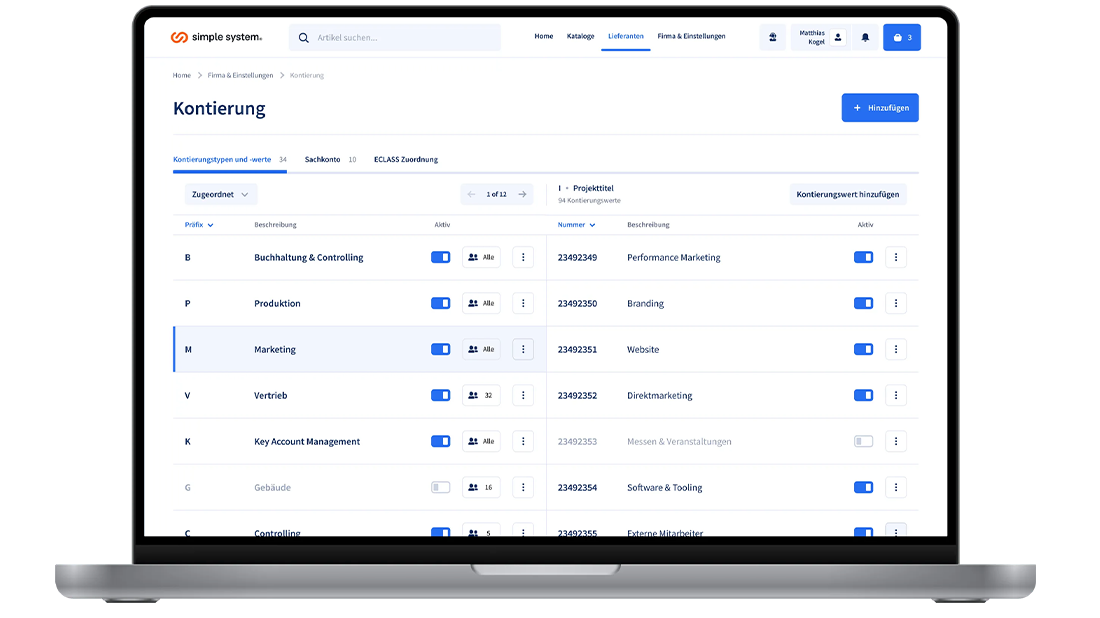
E-procurement platforms, analytics tools and AI-supported features optimize the entire procurement process, from request to approval to order processing. That saves time, reduces errors and delivers real-time data to monitor vendor performance and spend.
On simple system, more than 28,000 buyers order indirect materials and C-parts from over 1,000 vendors through one access point, at their own negotiated terms. Approvals and budgets run digitally, and order data goes straight into the ERP.
Integrating indirect procurement into the supply chain gives you a holistic, transparent view of all procurement activities. That improves vendor coordination, inventory management and responsiveness to changes in demand and the market.
There is great potential in optimizing indirect purchasing. It often sits in the shadow of direct procurement, yet it covers many costs that are essential for operations and make up a significant part of the budget. Clear strategies, careful vendor management and digital tools cut costs and improve operations.
Want to simplify your indirect purchasing? Try simple system free for 30 days or book a demo.