![Fabian von Kleinsorgen [VP Growth & Sales Operations]](https://simplesystem.com/hs-fs/hubfs/Autoren_Blog/Fabian_vin_kleinsorgen_autor.png?width=200&name=Fabian_vin_kleinsorgen_autor.png)

09.09.2026

![Fabian von Kleinsorgen [VP Growth & Sales Operations]](https://simplesystem.com/hs-fs/hubfs/Autoren_Blog/Fabian_vin_kleinsorgen_autor.png?width=100&name=Fabian_vin_kleinsorgen_autor.png)

Procurement 4.0 means more than digitalization. It fundamentally changes the role of procurement. Through automation, data-driven decisions and connectivity, procurement becomes a strategic driver of innovation and competitiveness.
Digitalization is fundamentally changing procurement. It makes it more efficient, more agile and more data-driven. Procurement 4.0 uses modern technologies such as e-procurement, artificial intelligence (AI) and big data. Through automation and a strategic focus, companies benefit from more transparency, optimized supply chains and a better basis for decisions. Procurement is not only relieved operationally, it also gains strategic importance.
Procurement 4.0 combines procurement processes with modern technologies such as big data and AI. The digital transformation increases agility, transparency and efficiency in procurement. Its core tasks include cost optimization, vendor management and a strategic focus based on well-founded decisions.
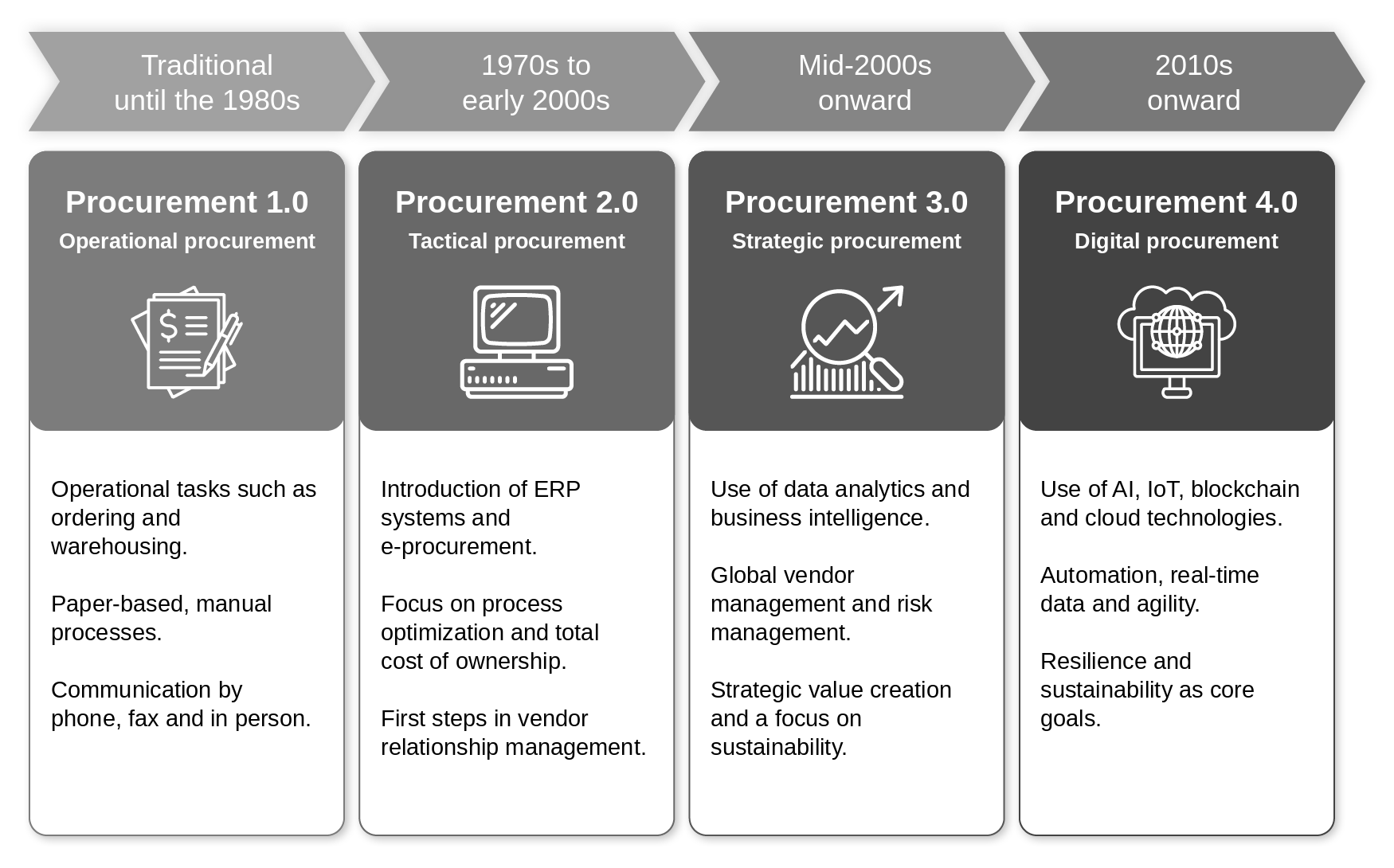
The development of procurement can be described in four phases. Procurement 1.0 was characterized by manual processes and paper-based communication. Procurement 2.0 brought the first digitalization steps and simple e-procurement systems. Procurement 3.0 introduced advanced automation and relied increasingly on data. Today we have arrived at procurement 4.0.
Today, procurement is supported by AI-based processes. Processes are largely digitalized, so procurement 4.0 can focus more on its strategic role.
Artificial intelligence is changing procurement processes in several areas:
The key point: AI supports, people decide. simple system describes this approach as "AI in the engine room, not in the shop window".
Procurement 4.0 offers many opportunities but also brings risks and challenges:
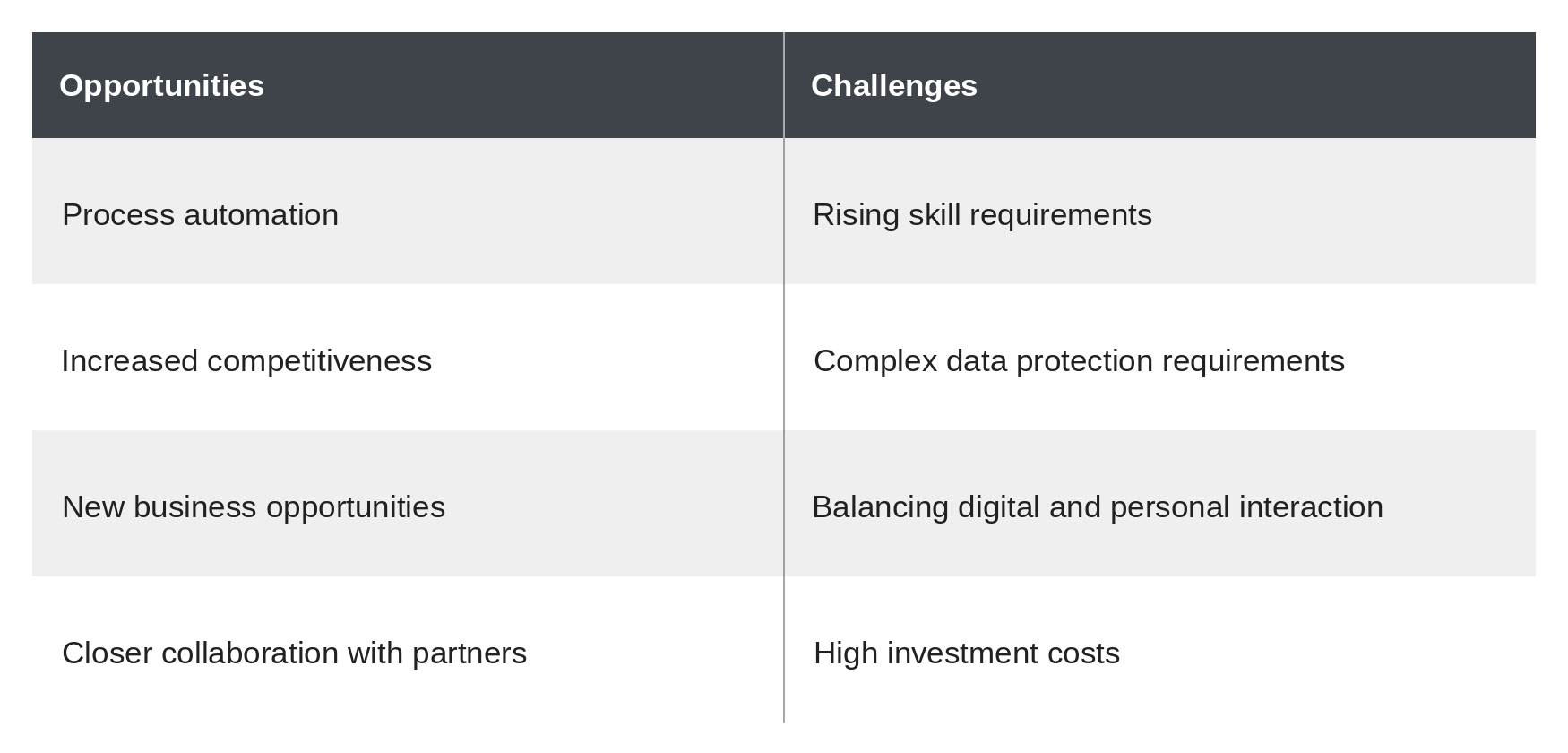
Modern procurement offers companies great potential for efficiency gains and strategic realignment. However, the digital transformation requires careful planning and continuous adaptation to changing market conditions.
Big data gives companies insights that go far beyond simple analyses and can strongly influence strategic decisions. By analyzing large amounts of data, companies recognize patterns, trends and connections that would otherwise go unnoticed. This enables more accurate market forecasts, reveals growth opportunities and optimizes business processes.
In the context of procurement 4.0, big data is described by five core aspects:
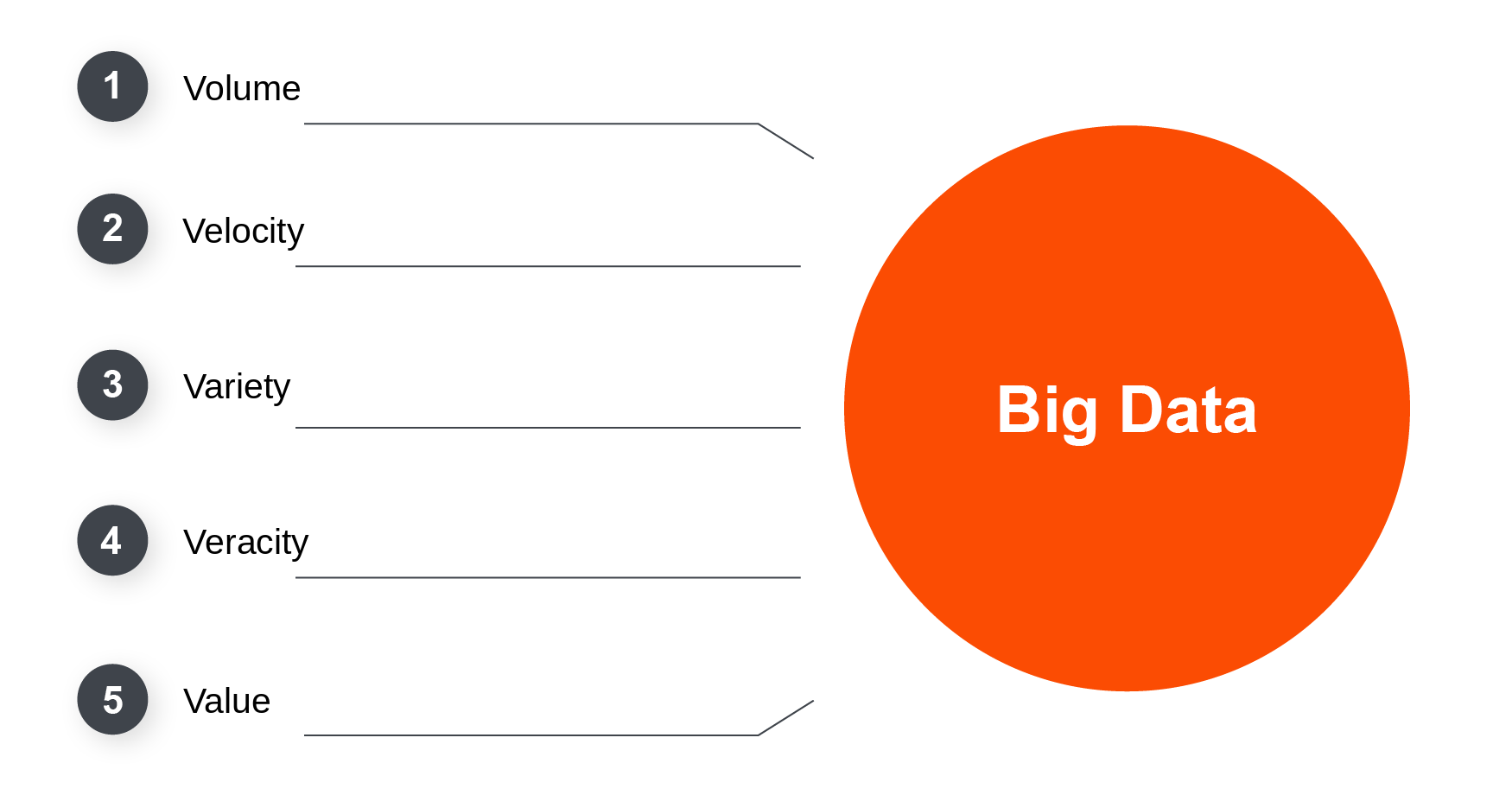
These five factors enable data-driven, efficient and agile procurement. Big data reduces the risk of misjudgments and secures competitive advantages through well-founded decisions.
Find out how in our free e-procurement report. Download it now, free and without obligation.
Read nowProcurement 4.0 makes buyers' work easier. New technologies in existing systems improve procurement processes significantly. This increases efficiency and creates strategic value. The most important benefits:

Digitalizing individual business areas and using specialized tools optimize the entire procurement. Digital systems take over tedious routine tasks such as order processing and invoice matching. Manual work and error rates drop significantly, and the procurement department gains time for strategic tasks. Real-time analyses enable faster decisions, and integrated systems improve communication between departments.
With e-procurement systems, vendor management becomes more efficient and collaboration improves. Vendor performance is monitored continuously based on various KPIs. Disruptions in the supply chain become visible early.
Technologies such as blockchain can further increase transparency in the supply chain. Real-time communication strengthens vendor relationships, and digital assistants help prepare price negotiations.

Real-time data and integrated vendor information give a clear view of stock, delivery times and possible bottlenecks. This enables more precise planning. Big data analytics provide market analyses that are displayed clearly in dashboards. Market changes, bottlenecks, risks: an e-procurement system bundles the information procurement needs to secure supply and react to change.
E-procurement, or electronic procurement, has become a decisive tool in modern procurement. It covers the entire digital process from order to invoice and changes how companies buy goods and services.
A clear advantage is less effort with fewer errors. Time and cost savings come on top. Systems such as simple system are designed specifically to optimize procurement processes. AI is part of everyday work there: in requests for quotation, simpleAI reads quotes in any format, makes them comparable and assigns items to the right product group. Procurement becomes more efficient without giving up control.
To stay competitive, companies must use digital technologies, optimize processes, analyze real-time data and improve collaboration with vendors. With e-procurement, AI-based tools and smart technologies, buyers react flexibly to market changes, reduce costs and make supply chains more efficient. Digitalization promotes scalability and adaptability and so secures competitiveness in the long term.
Real-time analyses, AI-based evaluations and automated reports optimize the procurement process. They enable precise monitoring, fast reactions to change and continuous improvement of delivery performance. Procurement becomes more effective and more flexible.
Digital connectivity enables seamless communication between procurement, vendors and logistics partners. Real-time data exchange enables fast reactions to market changes, early risk assessment and more efficiency across the entire supply chain.
Procurement 4.0 means more than digitalization. It fundamentally changes the role of procurement. Through automation, data-driven decisions and connectivity, procurement becomes a strategic driver of innovation and competitiveness. Digital solutions improve the entire value chain and help procurement make better decisions.