![Fabian von Kleinsorgen [VP Growth & Sales Operations]](https://simplesystem.com/hs-fs/hubfs/Autoren_Blog/Fabian_vin_kleinsorgen_autor.png?width=200&name=Fabian_vin_kleinsorgen_autor.png)

09.09.2026

![Fabian von Kleinsorgen [VP Growth & Sales Operations]](https://simplesystem.com/hs-fs/hubfs/Autoren_Blog/Fabian_vin_kleinsorgen_autor.png?width=100&name=Fabian_vin_kleinsorgen_autor.png)

Procurement in 2030 will be digital, sustainable and connected. AI, big data and automation optimize processes, while sustainability and agility are gaining importance. Successful buyers need technological and strategic skills to master the change.
The rapid development of the economy and technology forces companies to keep innovating their procurement processes. There are already concrete forecasts for procurement in 2030. They paint the picture of a procurement function that will be more innovative, sustainable, transparent, digital and connected than today.
Procurement covers the purchasing of products and services for companies. Technological developments and constantly changing markets and supply chains drive the transformation of procurement. These continuous changes require companies to keep adapting their procurement strategies to stay competitive and meet the growing demands of digital transformation.
Procurement is currently shaped by several important trends that will strongly influence the procurement of the future:
The most important technologies for the procurement of the future are:
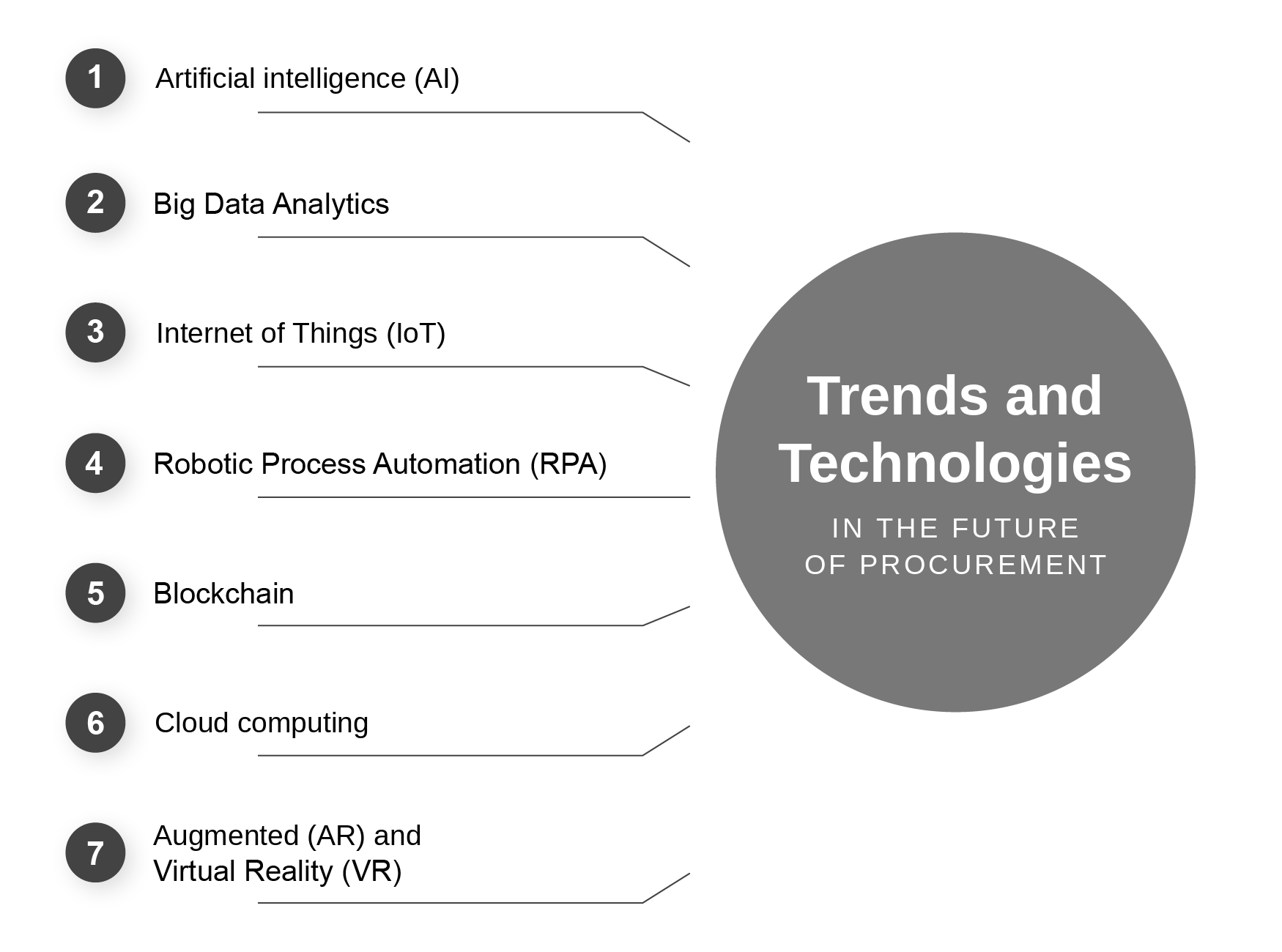
Artificial intelligence enhances procurement through automation, greater efficiency and strategic decision support. AI systems analyze large amounts of data (big data) in real time, optimize procurement processes and deliver precise forecasts for demand and market trends. Advanced applications also include holistic sustainability assessments and proactive risk management in the supply chain.
Procurement departments use AI to automate routine tasks such as invoice checking and order management. This allows employees to focus more on strategic tasks. Such technologies increase productivity, reduce sources of error and enable cost savings.
One example is the simpleAI agent suite from simple system: AI in the engine room, not in the shop window. The agents work deeply integrated into procurement processes, based on more than 26 years of procurement data from 28,000+ buyers and 1,000+ vendors. The principle is "Human in the Loop, AI Supported": the decision stays with people.
Digitalization in procurement brings numerous challenges that companies will have to master in the coming years. The central tasks include coping with pressure to innovate, making effective use of growing data volumes and redesigning vendor relationships.
Companies have to modernize their IT systems to optimize procurement processes and implement e-procurement solutions. At the same time, they must manage costs and risks in an increasingly complex and volatile procurement environment. Solutions include AI-supported analytics tools for data evaluation, agile procurement strategies and investment in employee training to build digital skills.
In the digital age, proactive preparation for upcoming changes gives companies a competitive advantage. Buyers need to identify and evaluate technological trends early. This requires continuous training and building digital skills. Agile ways of working make it possible to react flexibly to market changes. Networks with innovators and start-ups open up new perspectives and approaches. Pilot projects for testing new technologies provide practical experience and minimize implementation risks. Companies that consistently take these steps position themselves as pioneers in their industry and avoid falling behind.
Successful buyers in 2030 will have entrepreneurial skills to increase the overall success of their company. They bring know-how in the following areas:
Procurement in 2030 will be characterized by digitalization, sustainability and strategic partnerships. AI and advanced analytics drive innovation. Tomorrow's procurement managers must be tech-savvy, strategic and adaptable to succeed in a changing procurement environment and make the most of its potential. This prepares companies for current challenges that affect far more than just procurement.