![Fabian von Kleinsorgen [VP Growth & Sales Operations]](https://simplesystem.com/hs-fs/hubfs/Autoren_Blog/Fabian_vin_kleinsorgen_autor.png?width=200&name=Fabian_vin_kleinsorgen_autor.png)

09.09.2026

![Fabian von Kleinsorgen [VP Growth & Sales Operations]](https://simplesystem.com/hs-fs/hubfs/Autoren_Blog/Fabian_vin_kleinsorgen_autor.png?width=100&name=Fabian_vin_kleinsorgen_autor.png)

C-parts procurement is often underrated, but takes a central role in the Business Procurement one. Despite the low material costs of C-parts, they are essential for smooth production and administration. Modern solutions such as simple system offer a groundbreaking platform that optimizes C-parts procurement through digitalization and automation.
C-parts are materials with a low individual value, which, however, are required in large quantities in a company, such as screws, nuts, seals, or even office supplies. Although their material value is low, the multitude of ordering and administration processes causes them to high process costs. One, efficient procurement and management of C-articles are essential for smooth production processes. This is the only way companies can keep costs low and keep operations running smoothly.
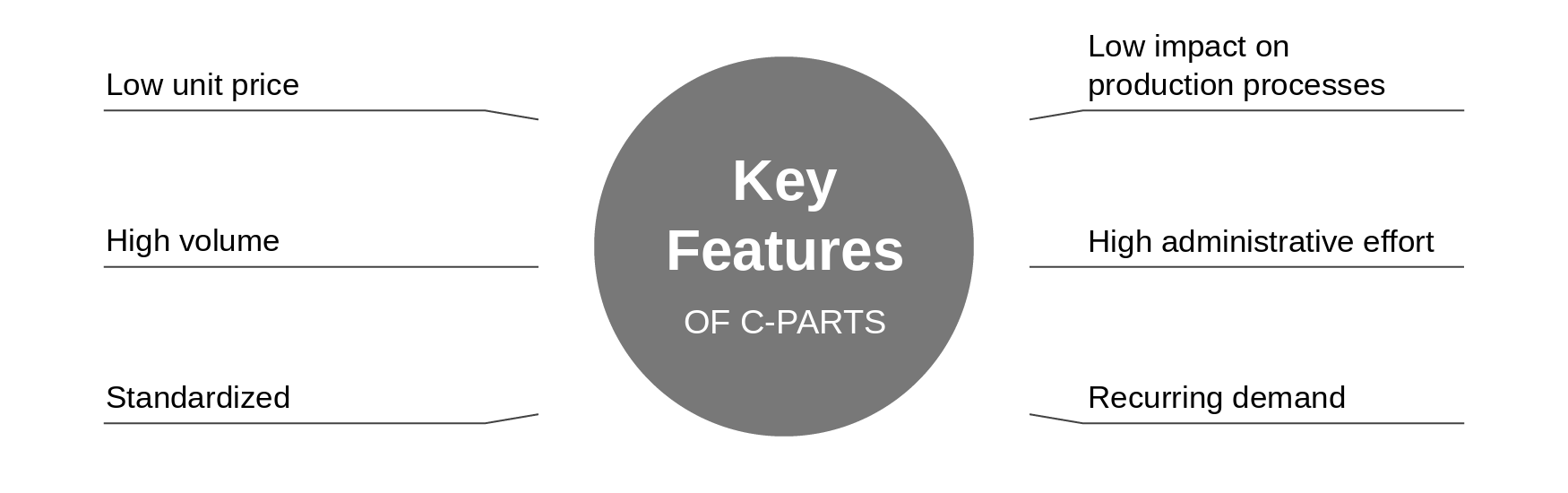
Compared to A and B parts, C articles in the procurement process show a low share of value on. But despite the low impact on overall costs, they can be high quantities and their recurring demand cause considerable administrative effort and, as a result, high costs.
Although C-parts are low-value goods, they still play a decisive role in the valuevalue creation process. Thanks to their constant availability of goods, they ensure the smooth running of production and logistics. They also avoid downtimes and ensure the overall productivity of a company. C-parts management aims to Minimize operating costswithout jeopardizing security of supply. The aim is to efficiently procure, store and manage the C-part. The automation of processes, optimized warehousing and the strategic choice of vendors are important tools in this regard.
Did you know? With C-parts, process costs often exceed the value of the goods many times over. According to HTWK Leipzig, digital procurement reduces process costs per order from €146 to €86. This makes C-parts a key lever for cost savings and greater efficiency in the company.
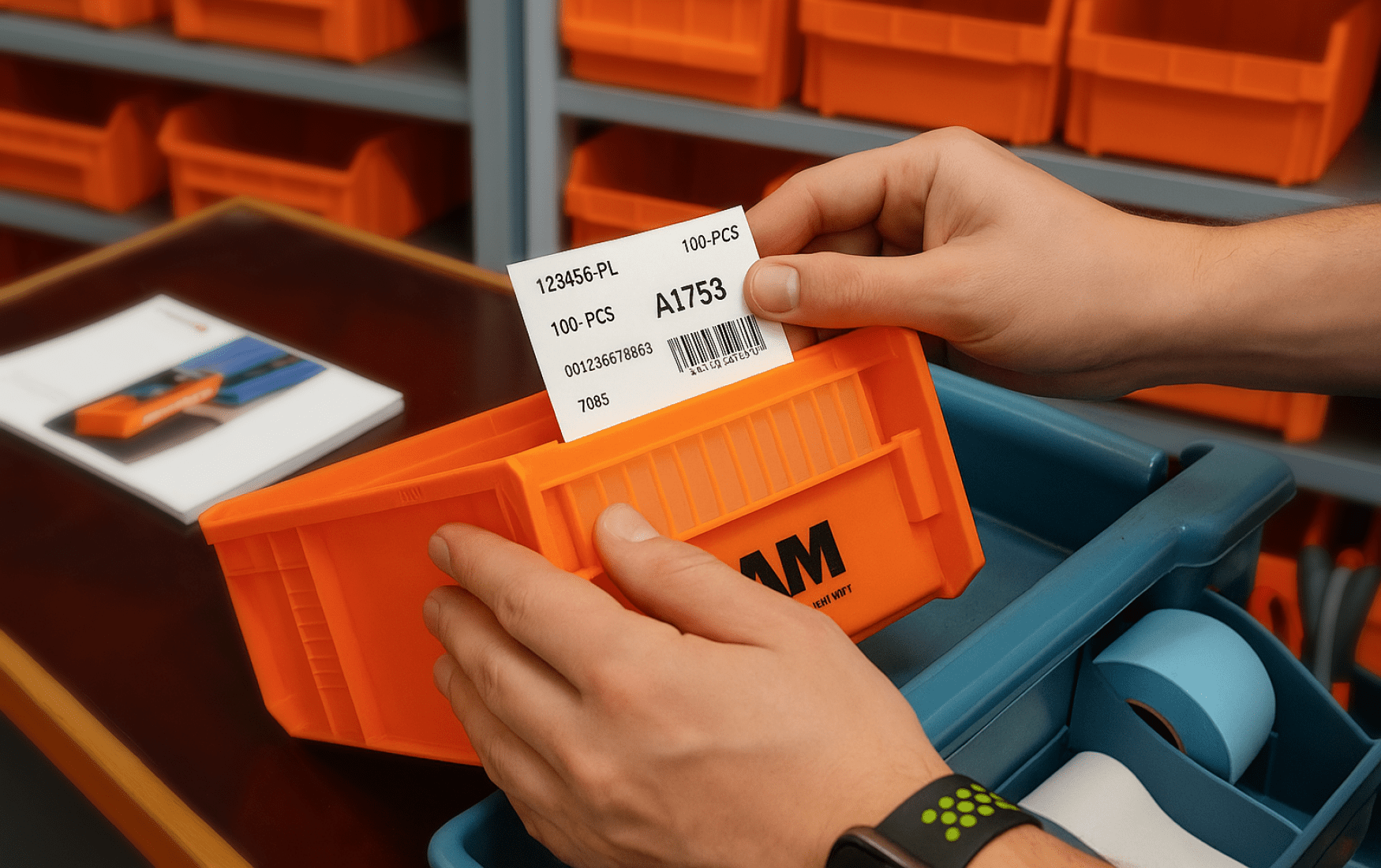
The classification of C-parts is measured on the basis of their importance for the operation and their costs. Classification is often used for classification ABC analysis used. Here, all parts of a company are rated according to their value and frequency of use. The following criteria help to reduce procurement costs and warehousing to optimize without wasting unnecessary resources on parts with low strategic value.
Criterion 1: Costs. C-parts usually have a low individual price and only account for a small proportion of the total costs. However, they may be required in large quantities.
Criterion 2: Frequency of use. Parts with the “C” classification are often used in large quantities without being of high strategic importance in the production process.
Criterion 3: Standardization. C-parts are often standard products that do not require complex requirements or individual adjustments.
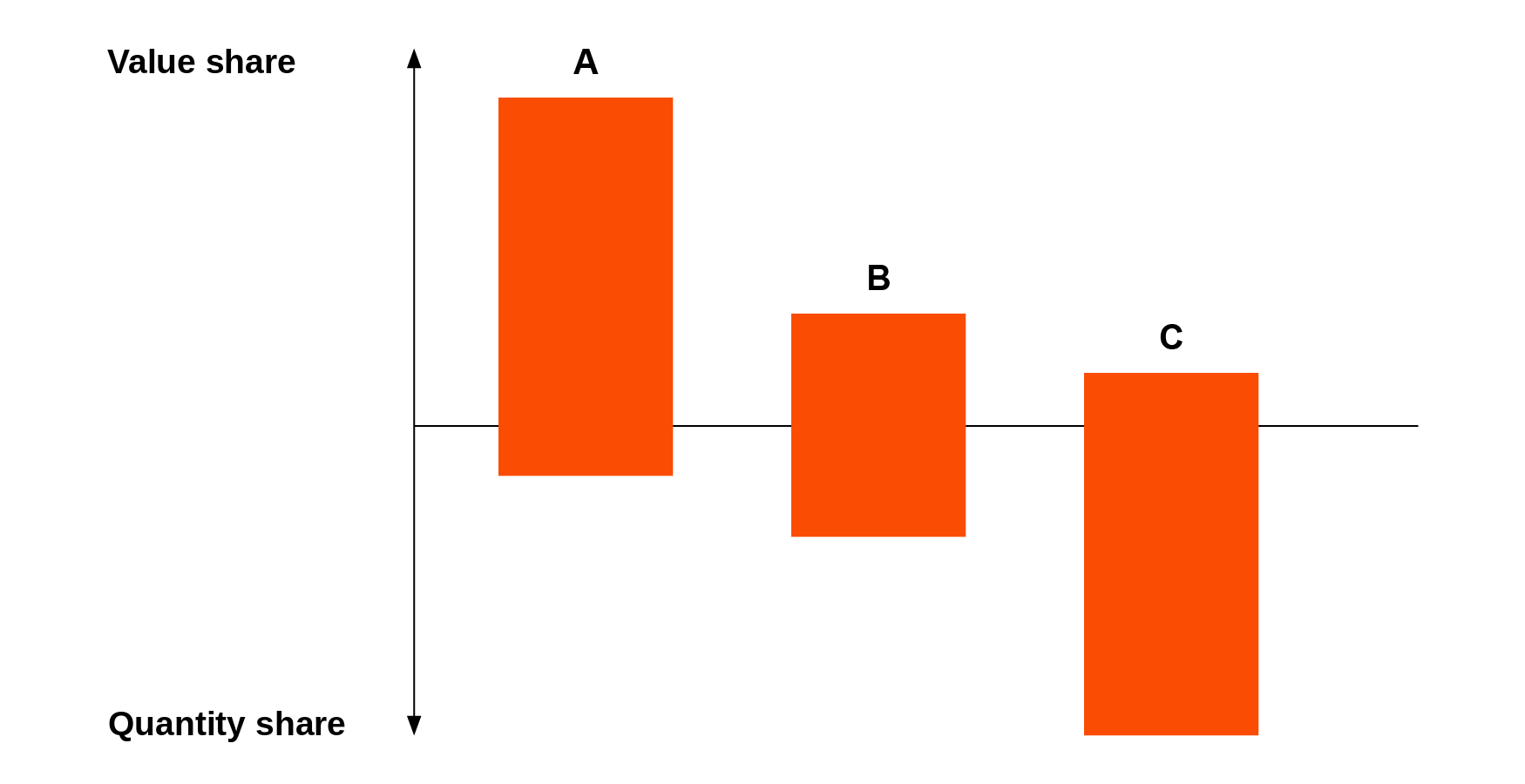
ABC analysis helps you to manage C-parts effectively by dividing them into three categories: A, B and C parts. The subdivision enables a targeted Optimizing procurement processes, reduces inventory costs and focuses on the parts that have the biggest impact on costs and efficiency.
When procurement C-parts, companies can face the following challenges. They require a high administrative effort for orders, warehousing as well as stewardship. C-parts have a very low value of goods, which is why the administrative effort is disproportionately high. The reason for this is the large number of individual orders, the large number of vendors and the complex processes for item identification, ordering, storage, quality control and provision for production. The process costs for C-parts often exceed the actual material value many times over. In addition, a constant and precise Needs assessment required to avoid bottlenecks and overstock. Many companies underestimate the effort and overlook the fact that C-parts have a greater impact on overall costs than the low material value suggests.
simple system is a digital platform specifically tailored to the procurement of C-parts. It enables central management and ordering of C-parts from more than 1,000 vendors through a single access point. simple system also automates many processes and makes orders and spend transparent for the procurement department. This reduces process costs for the long term and significantly increases the efficiency of C-parts procurement. Test the platform free of charge for 30 days and save time and costs. We will be happy to advise you personally.