![Andy Freund [Head of Growth & Customer Management]](https://simplesystem.com/hs-fs/hubfs/Autoren_Blog/Andy_Freund_autor.png?width=200&name=Andy_Freund_autor.png)

09.09.2026

![Andy Freund [Head of Growth & Customer Management]](https://simplesystem.com/hs-fs/hubfs/Autoren_Blog/Andy_Freund_autor.png?width=100&name=Andy_Freund_autor.png)

Public procurement secures the supply of government institutions and is subject to strict regulations. It differs from private procurement in transparency, defined award procedures and the common good as its goal. Digital systems optimize processes, reduce costs and increase efficiency. Challenges include decentralization, compliance and sustainability.
Procurement and administration are at the heart of every organization. Without them, many operations would come to a standstill. These core processes ensure that all required resources are available at the right time in the right place. From strategic planning in the office to operational implementation in warehouses and production sites, procurement processes aim to reduce costs and keep operations running. But how exactly do they work?
All activities needed to provide products and services are summarized under the term procurement. It includes determining requirements, selecting vendors and ordering the required goods and services. A distinction is made between public and private procurement. Public procurement covers all purchases in the public sector, while private procurement covers the purchases of companies.
Federal, state and municipal authorities use public procurement to acquire goods and services. Contracts are awarded to private companies through strictly regulated award procedures.
Good to know: Awarding contracts is not a specific part of procurement. Still, it is an important process to ensure transparency, fairness and cost-effectiveness in the use of public funds.
Administration is an important part of procurement. It covers all organizational aspects and documents every order and invoice. Procurement administration also handles vendor management and ensures that every step is traceable. Effective administration enables a smooth procurement strategy.
Administration also plays an important role in optimizing the company's value chain. It creates a transparent vendor base, so companies can compare potential vendors and plan strategically. With modern administration systems, companies automate their procurement processes and increase their profitability.
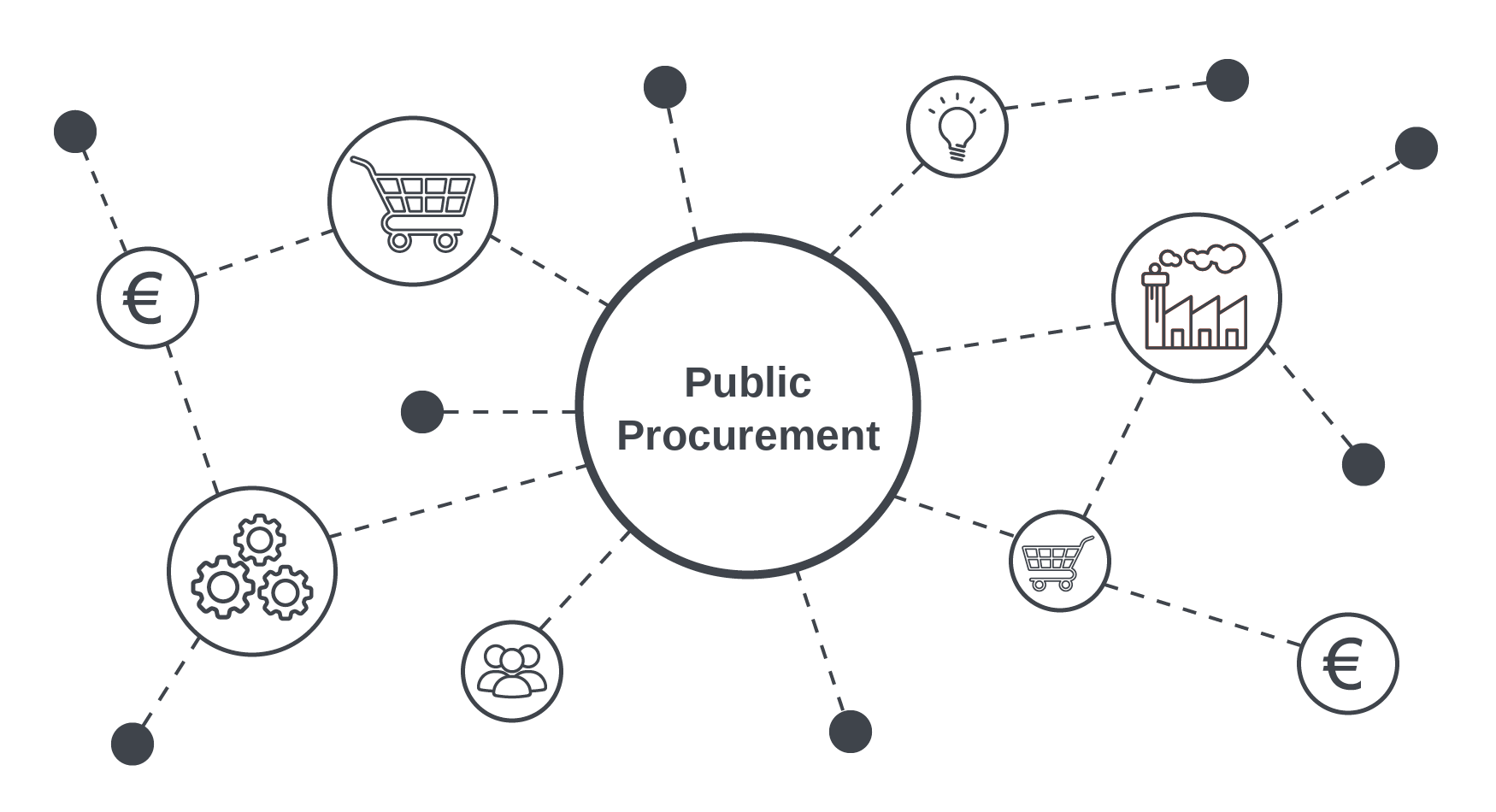
Public procurement is an important economic driver. It accounts for a significant share of the economy and ensures fair, transparent competition. This strengthens citizens' trust in state institutions. Public procurement is also essential for infrastructure and public services in Germany, from construction projects to schools and hospitals. In addition, it creates an open market for companies and so strengthens fair competition.
Public and private procurement differ in key aspects. The most important criteria:
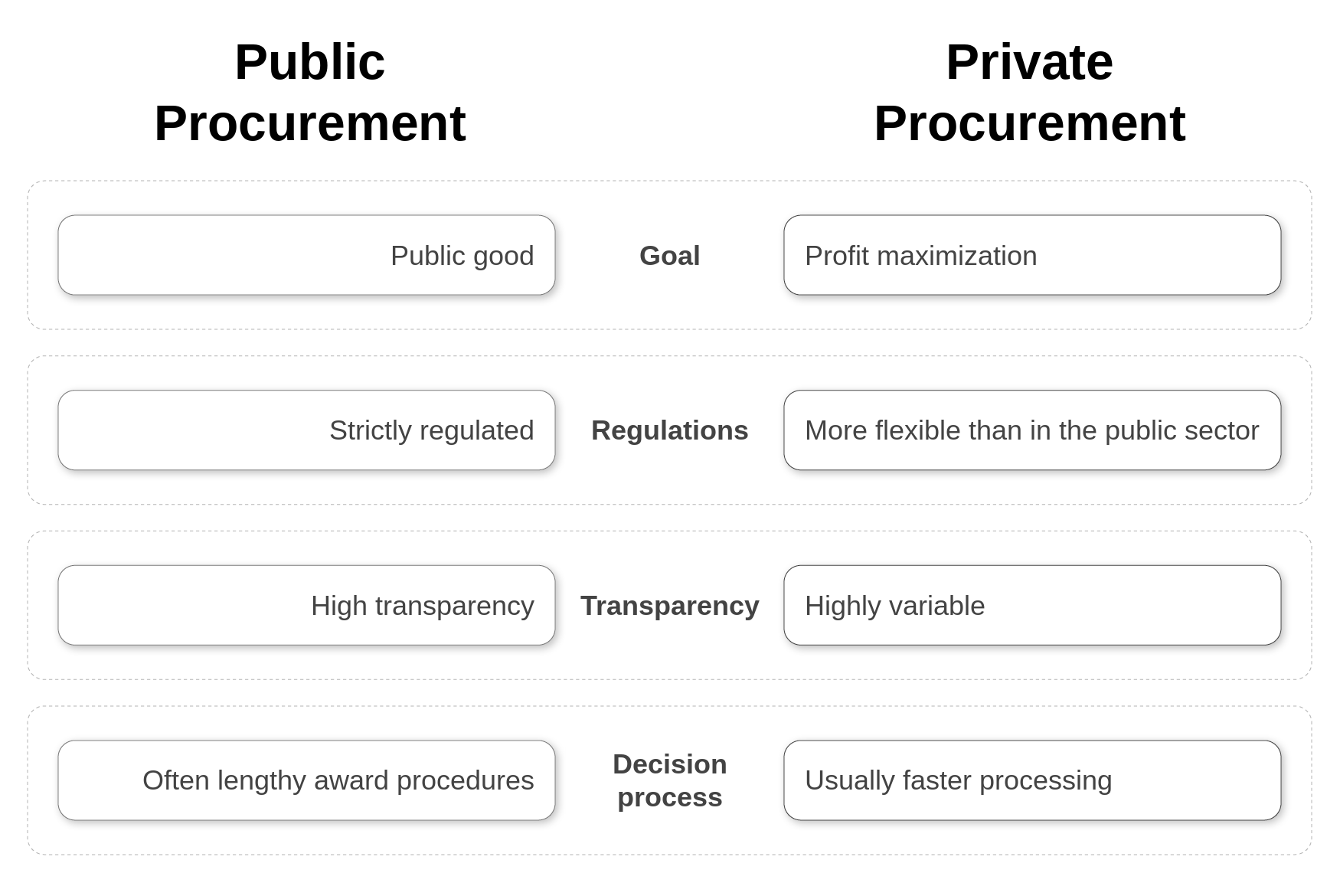
The primary goal of public procurement is the common good. Private companies, on the other hand, aim to maximize profits. Public procurement must therefore be not only economical but also have a positive effect on society. The public must perceive it as clean and trustworthy.
The public procurement process is also strictly regulated and subject to numerous rules. Private procurement is more flexible, because private companies follow less strict regulations.
A high level of transparency counteracts corruption and arbitrariness in awarding contracts. In private procurement, processes can be less transparent.
Public procurement often involves lengthy award procedures such as open procedures, restricted procedures, negotiated procedures, competitive dialogue and innovation partnerships. Private procurement allows faster processing, because it is not bound to these formal procedures.
With the targeted use of digital systems, procurement and administration become significantly more successful. They automate routine tasks, increase transparency and greatly simplify vendor management. Specialized platforms optimize procurement processes, save costs and time and increase efficiency.
One example of such a digital solution is simple system. With the platform, companies optimize their procurement processes and keep track of every activity. With access to more than 1,000 vendors, simple system reduces manual effort in order entry, follow-up, goods receipt and invoice checking. The platform offers a simple SAP integration and contributes to the sustainable optimization of procurement processes.
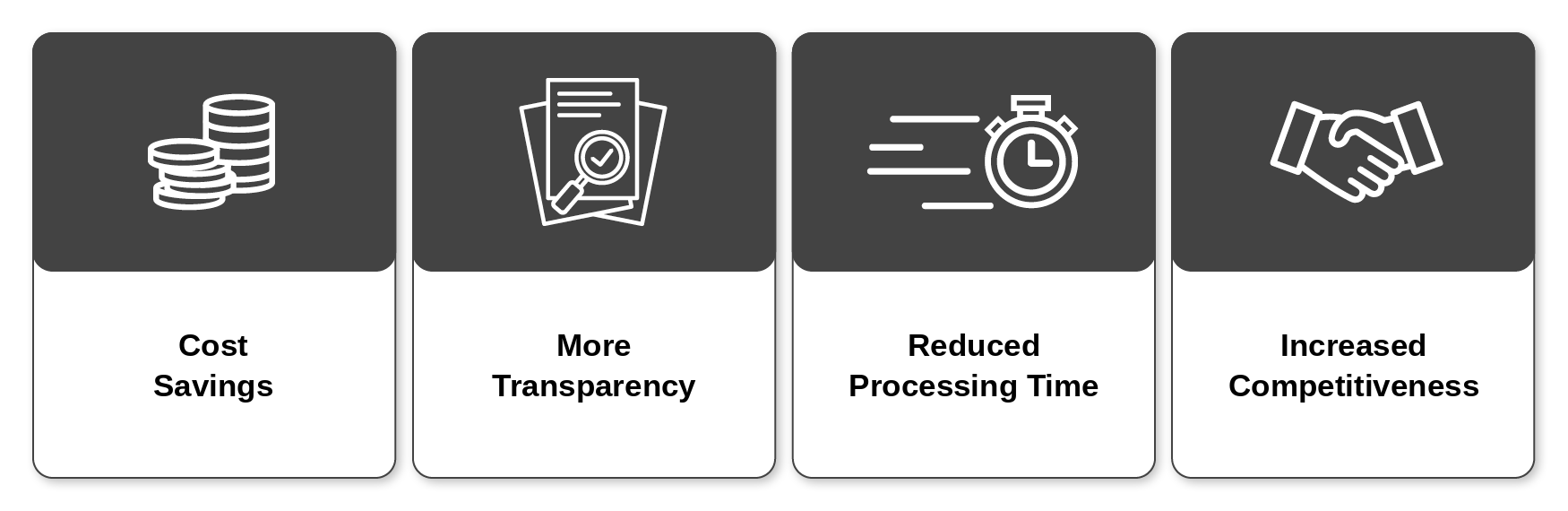
Thanks to digitalization, companies benefit from cost savings, shorter processing times and more transparency. By implementing digital systems in a targeted way, they increase their profitability and competitiveness. That is a clear advantage in a market that is constantly changing. AI-supported systems also enable more precise forecasts of risks and market trends. This improves planning security and strategic flexibility.
The public procurement process runs through several stages. It ensures that public institutions in states and municipalities purchase goods and services efficiently and cost-effectively.
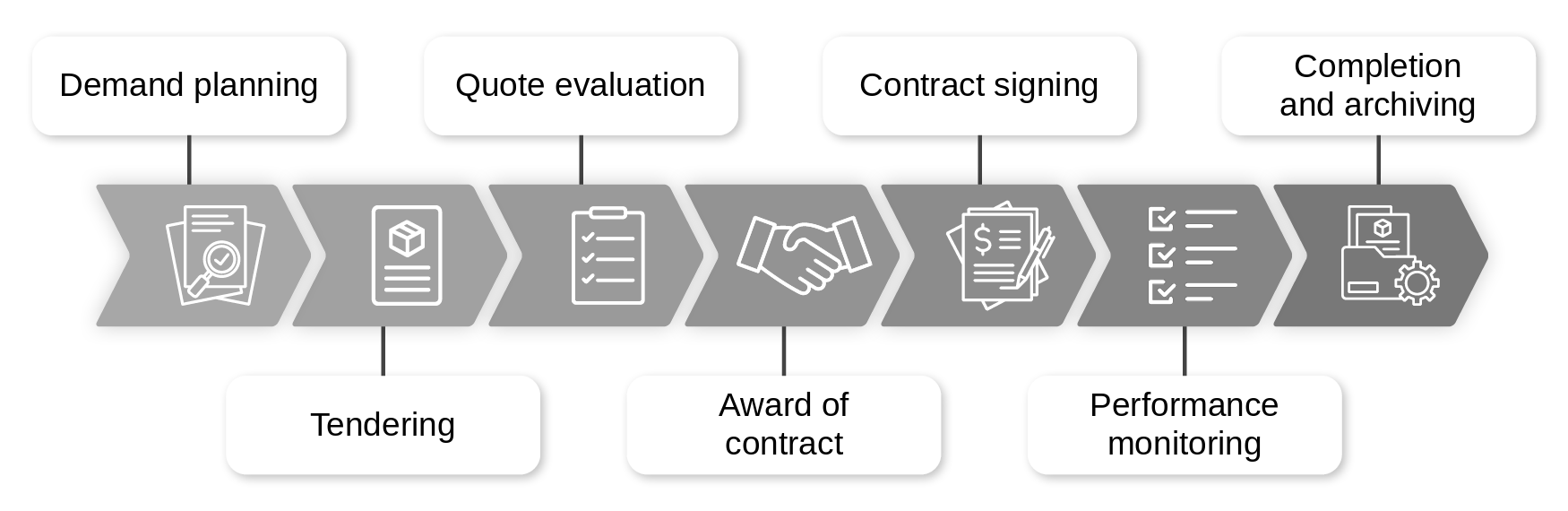
The main steps of the procurement procedure:
Public procurement faces diverse and complex challenges. The process is influenced by legal, economic and organizational factors that can make efficient and transparent execution more difficult. Studies show that Germany is still far from sustainable procurement practice.
A particular hurdle is the decentralization of procurement in individual departments. It can speed up procurement, but it also carries the risk of less transparency. Compliance problems are also possible. Decentralized procurement teams may find it difficult to share best practices and follow company policies. Decentralized procurement can also lead to higher costs, disorganized data management and inefficient spend management.
Public procurement processes are complex but essential for our society to function. Clearly structured processes and the digitalization of strategic procurement help to master the challenges.