23.10.2026


Digitalization in the wholesale sector is advancing rapidly. If you want to expand your sales channels or streamline your purchasing today, you’ll inevitably face a key question: Which B2B marketplace is truly right for you? With so many providers and different models, even experienced buyers and sellers can quickly lose track of the big picture. A strategic approach is therefore essential to lay the optimal foundation for your business’s future.
A B2B marketplace is a digital trading platform that acts as an intermediary and simplifies trade between businesses. Unlike a company’s own B2B store, these online marketplaces bring buyers and sellers together in one central location, aggregate a wide range of products, and process transactions via standardized workflows. They thus foster global trade relationships and offer companies an efficient way to tap into new markets.
Simply having an online presence is no longer enough for companies to remain competitive in the long term. Official figures illustrate this trend: Digitalization is leading to a steady increase in revenue in the B2B segment (Source: Federal Statistical Office). For you, this means that you must strategically align your digital visibility.
If you procurement to be future-proof, you’ll find it hard to do without a detailed comparison of B2B platforms. It’s not just about selecting a piece of software, but rather about choosing the right business model that supports your specific business goals.
To choose the right marketplace, you first need to understand the different types of B2B marketplaces in detail. Not every platform serves the same target audience or industry with equal efficiency.
The choice between these models significantly influences your reach, the fees incurred, and the commission structure. To optimize your optimizing your procurement in a targeted manner, it is essential to carefully weigh the pros and cons of each approach against one another.
You may be wondering at this point why you shouldn’t simply rely on the tried-and-true concepts from the consumer retail sector for your procurement. While platforms like eBay or Otto have shaped e-commerce, business-to-business commerce requires fundamentally different functionalities. Customized pricing, complex approval workflows, and seamless integration with internal systems are essential requirements that a purely B2C approach simply cannot meet.
Unlike consumers, B2B customers seek reliable, long-term business relationships. The presentation of highly complex product data and the secure processing of high-volume orders require a B2B platform that was developed specifically to meet these demanding requirements.
If you want to expand your digital sales channels or modernize your procurement processes, you’re often faced with a fundamental decision: Should you invest in your own B2B store or focus on established B2B marketplaces? Both approaches have their merits but serve different strategic goals in e-commerce. An in-house web store offers you maximum control over your brand and a direct business relationship with your buyers. However, setting one up often requires enormous resources to organically build the necessary visibility and, in procurement market.
Online marketplaces, on the other hand, act as powerful intermediaries. They bring together a vast array of products and services from national and international providers. For you as a seller, this means immediate access to an enormous reach and a target audienceready to buy , without having to spend massive marketing budgets. As a buyer, you in turn benefit from absolute transparency when comparing different suppliers on a single platform.
To choose the right approach, it’s important to realistically weigh the pros and cons of centralized trading platforms.

When choosing a B2B marketplace, no two providers are alike. To find the right B2B platform, you therefore need clear comparison criteria. It’s not enough to just look at the monthly fees. Rather, the B2B platform must be able to integrate seamlessly into your existing workflows and ERP systems. This is especially important when regularly purchasing C-parts—where process efficiency is paramount—the automation of orders is a critical success factor.
Another key aspect is the quality of the product data. Can individual prices be stored? How are complex product ranges clearly presented to different B2B customers? Buyers and sellers on professional B2B marketplaces absolutely require features such as multi-user accounts, strict budget limits, and multi-level approval processes. Only when an online marketplace offers these in-depth B2B functionalities without compromise can business-to-business commerce be truly efficient and error-free.
Last but not least, you must carefully assess whether the platform can actually reach your specific target audience without wasting reach. While horizontal marketplaces excel due to their sheer size and broad reach, niche providers stand out through their deep industry expertise. If you sell or source highly specialized products or services in the wholesale sector, a specialized marketplace often delivers much more qualified leads and higher conversion rates than a platform with too broad a scope.
When evaluating different B2B marketplaces, you’ll quickly come across some prominent names during your research. It’s absolutely crucial that you don’t let yourself be blinded by mere brand recognition, but instead critically assess the benefits for your business model. Making the right B2B decision always requires a deep and analytical look at industry-specific functionalities.
A wide range of products naturally draws many buyers to the global industry giants at first. Nevertheless, data-driven market analyses show that specialized providers often excel in business-to-business commerce through significantly deeper system integrations and excellent B2B support. Let’s clearly structure the most well-known options for your strategic evaluation process.
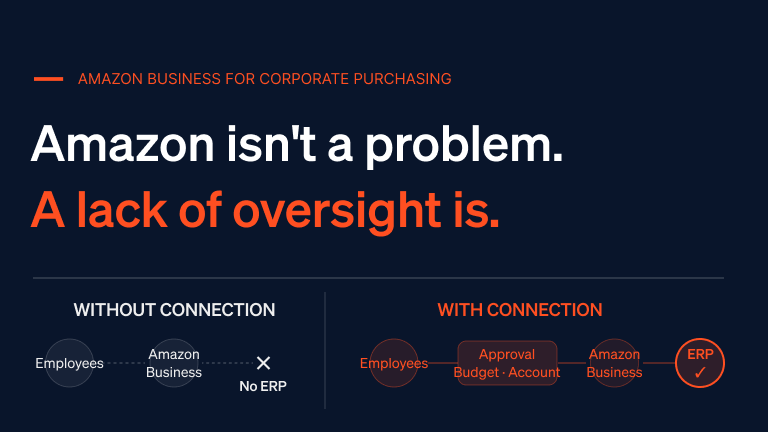
In the realm of established horizontal marketplaces, Amazon Business is now a fixture. The platform offers the enormous advantage of a familiar, B2C-like interface, paired with basic B2B functionality. For many companies, this represents a simple and resource-efficient way to quickly and efficiently procure standardized C-parts through online marketplaces.
If, on the other hand, your strategy involves the international procurement of high-volume production goods, the name Alibaba inevitably comes up . If you engage in large-scale domestic and international trade, this marketplace offers direct access to global manufacturing capabilities. However, these global business relationships require a high level of intercultural competence as well as strict internal quality controls.
Another prominent and proven example in Europe is Mercateo. This dedicated online marketplace focuses heavily on the B2B sector and allows you to seamlessly bundle various suppliers into a single, centralized catalog. Such platforms act as smart intermediaries that bring together the B2B stores of numerous manufacturers under one digital roof.
The major strategic advantage of such networks lies in the uncompromising automation of orders. Instead of laboriously posting countless individual invoices, these marketplaces—which operate on a commission-based model—often consolidate accounts payable. Before you decide on a B2B marketplace, you should carefully compare these ongoing fees against your current process costs.
Even a wide range of products is of little use in your day-to-day operations if the chosen B2B platform does not communicate absolutely seamlessly with your existing ERP system. True B2B marketplaces must offerOCI Punch-Out interfaces or deep EDI integrations. This is the only way you can sustainably reduce and scale the manual effort involved in procurement.
Smooth, bidirectional data exchange is the absolute backbone of efficient workflows. If you’re looking for professional SAP integration solutions, product data, your negotiated custom prices, and inventory levels flow into your system in real time. This reliably prevents erroneous orders and significantly speeds up your internal approval processes.
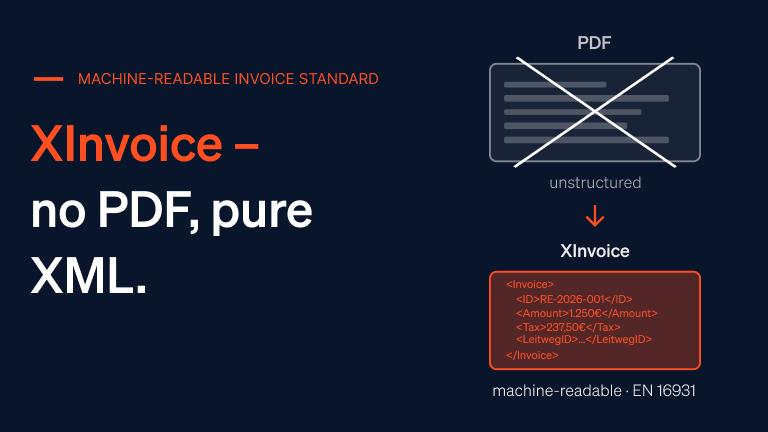
End-to-end digital accounting also plays an increasingly critical role in your success. When comparing options, make sure the marketplace strictly adheres to current standards for e-invoicing. Automated invoice processing saves valuable staff resources and drastically minimizes sources of error in the business-to-business environment.
To make the right marketplace decisions for your IT infrastructure, assess technical compatibility based on strict criteria. The following overview will help you process every single transaction securely:
If you clarify these key technical requirements in detail up front, you’ll create a highly scalable foundation. This way, selling or strategic purchasing through modern B2B marketplaces won’t become an additional administrative burden, but rather a genuine, measurable competitive advantage for your company.
In practice, the decision to adopt a new trading infrastructure often hinges on the financial framework. If you want to trade via modern online marketplaces or centralize your procurement processes, the costs incurred must be in a healthy balance with the added value achieved. Unlike setting up your own B2B store—which involves enormous upfront costs for development, hosting, and ongoing maintenance—marketplaces generally offer the advantage of high financial predictability. Nevertheless, absolute vigilance is required in business-to-business trading, as hidden costs can quickly erode the return on investment (ROI) in day-to-day operations.
In general, the business models of providers in the business-to-business sector differ significantly from one another. Some platforms charge a fixed monthly base fee simply for listing your products and services, while others rely exclusively on revenue-based commissions. For you as a buyer, however, using the B2B platform is often free of charge, as platform operators generate their revenue primarily from sellers. However, you should always carefully check in advance whether additional license fees apply for specific technical integrations, such as EDI interfaces or extended multi-user rights.
To avoid unpleasant surprises when buying and selling, you should carefully analyze the cost structure of your future B2B marketplace. When reviewing the contract, be sure to pay close attention to the following aspects:
Even the most technologically advanced B2B platforms can only realize their full strategic impact if your employees actually embrace them and use them efficiently in their day-to-day work. A criterion that is often grossly underestimated when evaluating different types of marketplaces is therefore the quality of onboarding and ongoing customer support. When companies migrate products or services to a completely new system, questions about data import, approval workflows, or complex tax settings are inevitable.
A dedicated point of contact or Customer Success Manager is absolutely invaluable during the critical launch phase. Does the platform operator offer customized training or practical webinars? Only when buyers and sellers have fully mastered the software’s industry-specific features can smooth business relationships be established for the long term. Ideally, test the support in advance with concrete, technical questions about the details of your specific catalog data.
The introduction of a centralized platform drastically changes existing work routines. Your staff members must learn to no longer place orders the traditional way—by phone or email—but to strictly use the digital channel via the marketplace. To professionally navigate this immense change, completely transparent internal communication is essential. Explain to your teams early on how the new marketplace effectively relieves them of tedious routine tasks and minimizes costly error rates.
If you plan to tap into new markets in the foreseeable future or confidently scale your product range across various sectors and industries, a highly trained team will give you the decisive competitive advantage. So make sure that the provider you choose fully supports you throughout this change process—not only on a technical level but also strategically.