![Andy Freund [Head of Growth & Customer Management]](https://simplesystem.com/hs-fs/hubfs/Autoren_Blog/Andy_Freund_autor.png?width=200&name=Andy_Freund_autor.png)
14.10.2026

![Andy Freund [Head of Growth & Customer Management]](https://simplesystem.com/hs-fs/hubfs/Autoren_Blog/Andy_Freund_autor.png?width=100&name=Andy_Freund_autor.png)

Digital procurement is the backbone of every successful business. Yet many buyers fall into a dangerous trap of convenience: they use the same marketplaces in their professional lives as they do in their personal lives. Are you currently looking for a genuine alternative to Amazon to take your B2B purchasing to a whole new level?
In this article, we’ll use data to show you why the seemingly simplest solution often hides hidden costs and legal pitfalls. You’ll learn how to boostefficiency, automate processes, and discover which specialized platforms will establish themselves as genuine alternatives to Amazon by 2026 at the latest.
An alternative to Amazon in a business context is a specialized B2B procurement platform that, unlike B2C-oriented marketplaces, is specifically tailored to the needs of professional buyers. These platforms offer optimized invoicing processes, transparent fees, and direct access to verified suppliers to ensure legally compliant and efficient ordering.
At first glance, everything seems familiar: a massive marketplace, quick product selection, and hassle-free shipping. But in professional online commerce, the rules of the game are fundamentally different. Dependence on a single dominant platform poses significant structural risks for you as a buyer.
The demands on digital procurement are rising rapidly. According to the German Association for Materials Management, Purchasing, and Logistics, the seamless—and above all, legally compliant—digital integration of suppliers is increasingly coming into focus. This is precisely where conventional B2C giants extremely often reach their limits in day-to-day operations.
A key problem lies in the correct reporting of sales tax and invoice processing across countless third-party providers. As a buyer, you often do not receive invoices that comply with tax authority requirements, which jeopardizes input tax deductions and turns bookkeeping into a manual nightmare. Added to this are unpredictable delivery times when dealing with merchants based in other EU countries.
If you want to sustainably optimize your purchasing, it’s not enough to simply switch to other consumer platforms or eBay. It’s about building strategic partnerships. The tremendous growth in B2B e-commerce proves that more and more companies are turning to specialized and independent networks.
These fundamental requirements make it clear that models based primarily on the traditional consumer logistics model—such as Amazon FBA—are absolutely insufficient for complex B2B procurement. Your company needs a platform that comprehensively maps your procurement processes and doesn’t hinder them with rigid B2C guidelines.
Many companies are actively seeking the best alternatives to consistently digitize their procurement. While B2C giants like Zalando, Kaufland, or Avocadostore work exceptionally well for consumer purchases, they fall short in the B2B environment due to a lack of deep integration. Unlike Amazon, as a professional buyer, you don’t need a cluttered platform for lifestyle products—you need reliable, process-optimized procurement networks.
The key difference lies in the fundamental architecture of the sales platforms. When a supplier sells primarily through Amazon or Amazon’s algorithm suggests items to you, the focusis always onthe fast customer experience —not on optimizing your internal procurement processes. With every order placed through traditional online stores or an open marketplace, you risk dealing with confusing invoice flows.
External tools like Amainvoice may be a helpfor sellers using FBA (Fulfillment by Amazon), but they don’t solve your core problem as a buyer. Strategic dependence on a single dominant platform severely limits your product selection.
Specialized Amazon alternatives, on the other hand, offer you complete control over your entire order volume. If you want to source quickly and easily, you need a system that syncs with your ERP without any data disconnects.
With true B2B solutions, you benefit from transparent framework agreements with hundreds of qualified suppliers and thousands of brands. This way, you don’t have to go through the legal hassle of reviewing new terms and conditions for every transaction.
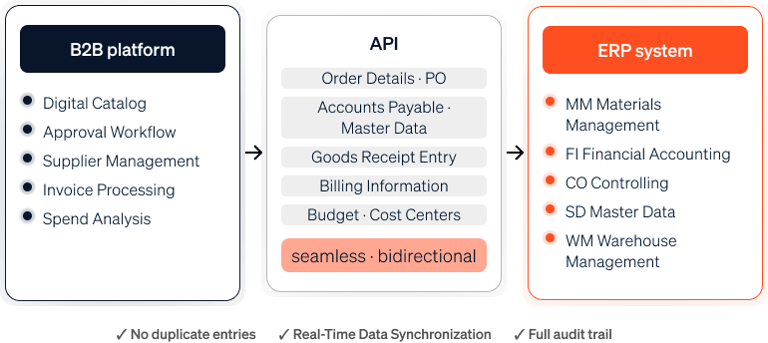
The future of digital procurement—by 2026 at the latest—belongs to fully independent and interconnected platforms. High visibility of supplier-specific data, as well as a clear fee structure free of opaque commissions, monthly fluctuating costs, or sudden listing fees, is essential here. By using intelligent B2B solutions, you can break free from the rigid constraints of Amazon FBA and similar consumer-facing models.
A single-creditor model (central creditor) means that in B2B purchasing, you create only a single creditor in your accounting system, through which all invoices from hundreds of different suppliers are consolidated and settled in a legally compliant manner.
Whether it’s fashion on ASOS or handmade items on Etsy—traditional online retailers are optimized for quick impulse purchases. Your core business, however, requires structured supplier onboarding, the protection of sensitive customer data, and, above all, reliable delivery times. You can achieve this fundamental efficiency only by moving away from closed B2C systems and relying on dedicated procurement networks.
In your everyday personal life, you surely appreciate the benefits of Prime: items are ordered seemingly effortlessly and often shipped the very next day. But if you apply this B2C standard to your professional C-parts procurement, glaring weaknesses quickly become apparent. When placing business orders for tools, office supplies, or electronics on traditional consumer marketplaces, you’ll very quickly run up against the strict limits of internal corporate compliance.
Every seller on an open marketplace operates independently. In practice, this means: wildly varying shipping costs, highly inconsistent delivery times, and—above all—an enormous amount of manual work involved in invoice verification. A true alternative to Amazon, on the other hand, brings together the product ranges of hundreds of verified suppliers under one roof and gives you full visibility into your actual expenses.
Many companies mistakenly believe that they can simply switch to specialized individual suppliers to solve the problem. But when each supplier focuses on its own store, you, as a buyer, have to register separately on dozens of different online stores. This process is highly inefficient and prone to errors. You log in manually, manage countless passwords, and lose valuable work time.
From the seller’s perspective , Amazon Seller Centralmay be a powerful control center, but for you as a buyer, it offers no real added value in terms of process optimization. To fully automate your purchasing, you need a central hub that brings together all relevant product categories and integrates seamlessly with your procurement system.
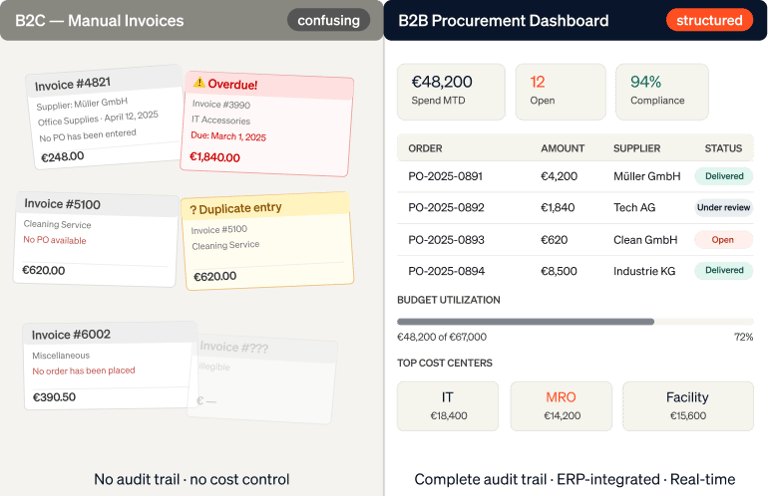
Another critical factor in evaluating the best alternatives is the underlying fee structure. While online retailers on traditional sales platforms often have to pay high commissions per transaction to the marketplace operator—costs that are indirectly passed on to you through higher product prices—true B2B solutions rely on consistently fair terms.
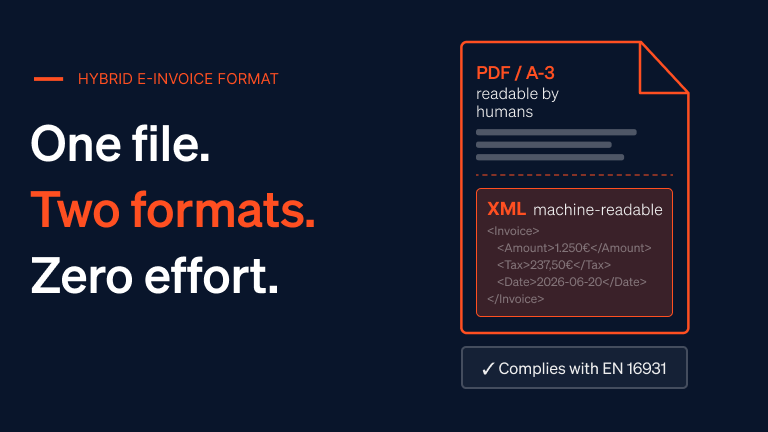
By consistently choosing specialized Amazon alternatives, you avoid the unpredictability of dynamic price adjustments. Instead, you establish reliable supplier relationships that provide your company with long-term planning certainty. Especially with an eye toward 2026, when the e-invoicing requirement will finally take effect for all companies in Germany, platforms that are not geared toward B2B processes pose an incalculable risk. The search for genuine alternatives to Amazon and eBay is therefore not merely a luxury, but an absolute strategic necessity for the sustainable success of your procurement department.
If you procurement optimization in your company seriously, the question of practical implementation inevitably arises. Many buyers fear that moving away from familiar marketplaces requires a great deal of technical expertise. But that’s a misconception. Instead of going to the trouble of integrating your own store via systems like Shopify or painstakingly managing hundreds of listings, you can connect your ERP system to an established platform with just a few clicks.
This real-world example clearly shows: A vast product range with more than 130,000 items and over 2,000 brands only offers you sustainable added value through transparent supplier presentation if the processes behind the scenes also run smoothly. Forget about unreliable pricing models that resemble auctions or consumer-oriented payment methods like Google Pay. In a true business network, your brand identity and a reliable customer experience are always preserved. Additional benefits include clear contracts without rigid minimum terms and the elimination of exorbitant sign-up fees.
To break free from the convenience trap and establisha genuine alternative to Amazon, you must take three essential steps: First, recognize the true costs of hidden fees; second, consistently banish B2C models from professional procurement; and third, adopt a networked single-creditor model. Dependence on marketplaces that focus primarily on seasonal consumer goods and private-sector customers costs you money and valuable time. Seize this opportunity and establish a procurement strategy that streamlines processes, guarantees legal certainty, and gives you back full control.