![Fabian von Kleinsorgen [VP Growth & Sales Operations]](https://simplesystem.com/hs-fs/hubfs/Autoren_Blog/Fabian_vin_kleinsorgen_autor.png?width=200&name=Fabian_vin_kleinsorgen_autor.png)

09.09.2026

![Fabian von Kleinsorgen [VP Growth & Sales Operations]](https://simplesystem.com/hs-fs/hubfs/Autoren_Blog/Fabian_vin_kleinsorgen_autor.png?width=100&name=Fabian_vin_kleinsorgen_autor.png)

Every manufacturing company depends on them, yet their strategic importance is often underestimated: MRO parts. The acronym covers goods that keep your equipment running smoothly. Managing these parts inefficiently quickly leads to production downtime, high costs and lower competitiveness.
This article explains what MRO parts are, which categories exist, why strategic MRO management matters and how to simplify procurement.
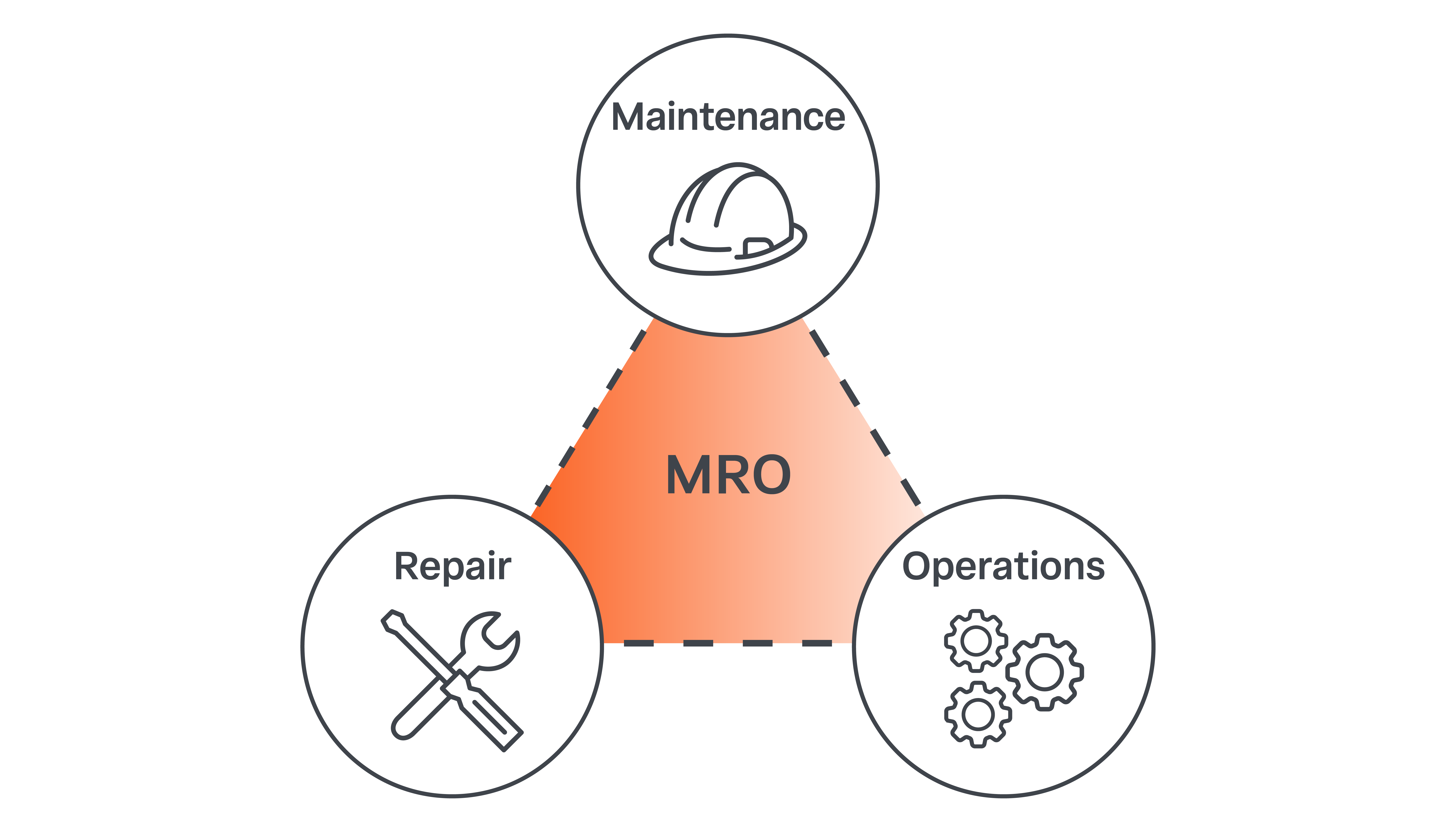
MRO stands for maintenance, repair and operations. MRO parts are all materials, spare parts and consumables a company needs to maintain machines, equipment and buildings and keep day-to-day operations running. They do not go into the end product and therefore count as indirect materials. Many MRO items are classic C-parts: low unit value, but ordered frequently.
MRO products fall into three core areas:

Find out how in our free e-procurement report. Download it now, free and without obligation.
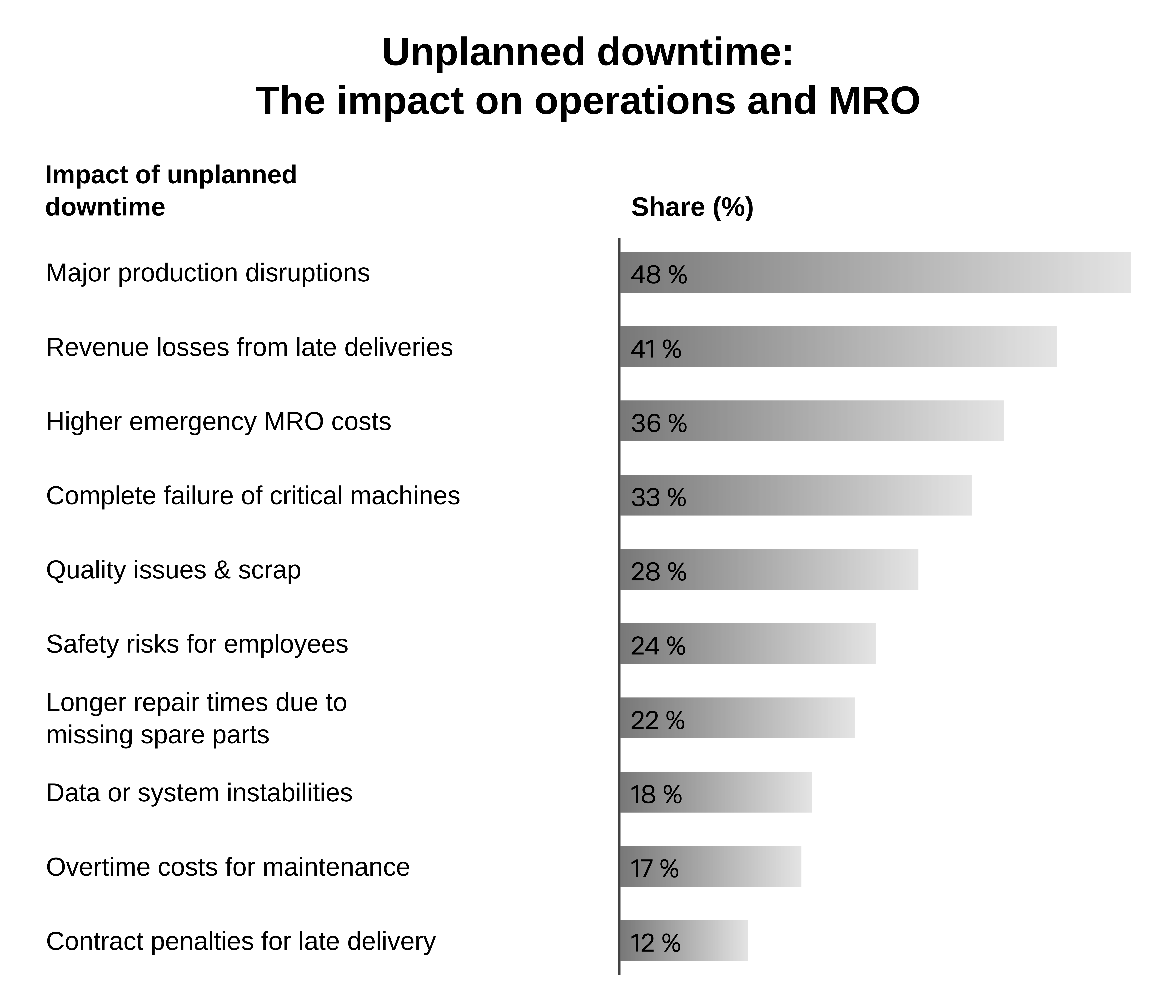
Read nowEffective MRO management goes far beyond purchasing. An optimized strategy reduces not only direct procurement costs but above all the indirect costs of production downtime. It minimizes downtime, increases the reliability and service life of your equipment and contributes directly to profitability.
MRO demand is fragmented: many items, many vendors, often urgent. That is exactly what drives process costs. According to HTWK Leipzig, an analog ordering process costs €146 and a fully digital one €86. These levers help:
On simple system, more than 28,000 buyers order MRO and C-parts from over 1,000 vendors through one access point, at their own negotiated terms. Our article on smart MRO purchasing processes shows what this looks like in practice.
MRO parts are much more than "small parts": they are the immune system of your production. Professional management prevents costly downtime and cuts costs sustainably. So do not treat MRO as a nuisance, but as a strategic lever for reliability and efficiency.
Want to simplify your MRO procurement? Try simple system free for 30 days or book a demo.