![Andy Freund [Head of Growth & Customer Management]](https://simplesystem.com/hs-fs/hubfs/Autoren_Blog/Andy_Freund_autor.png?width=200&name=Andy_Freund_autor.png)
14.10.2026

![Andy Freund [Head of Growth & Customer Management]](https://simplesystem.com/hs-fs/hubfs/Autoren_Blog/Andy_Freund_autor.png?width=100&name=Andy_Freund_autor.png)

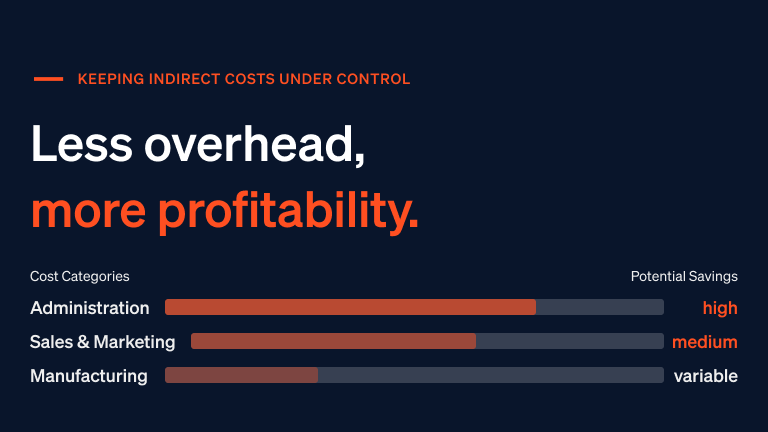
Digital procurement is currently an indispensable endeavour to make processes in the purchasing department more efficient while simultaneously reducing costs.
Procurement encompasses all processes involved in obtaining products and services. It ranges from demand identification and supplier selection to ordering as well as supplier management. Efficient procurement is essential to optimise costs, ensure quality, and guarantee a reliable supply chain. In addition, strategic procurement helps minimise risks, implement sustainable purchasing strategies, and build long-term partnerships with suppliers – a lasting blessing for a company's competitiveness.
The Procurement Manager (also called Purchasing Manager or Buyer) is responsible for strategic as well as operational activities in purchasing. They analyse needs, select suppliers, negotiate and optimise purchasing processes. Their operational function serves cost reduction, quality assurance, and delivery capability in their department. The manager defines procurement strategies and monitors their implementation to eliminate delays in supply chains as well as excess inventory. For optimal procurement planning, procurement managers or buyers should bring sufficient professional experience.
A Procurement Manager should have well-founded experience in the procurement of materials or services. Comprehensive knowledge of the best practices of goods receipt is crucial – from checking delivered goods for quality and completeness to efficient warehouse management. Equally important is demand-oriented and economical supply, which includes precise demand planning, close coordination with internal departments, and the optimisation of supplier strategies. The goal is to procure materials and services in the right quantity, at the right time, and at optimal costs, whereby the requirements vary depending on the industry, for example, in construction or mechanical engineering.
Find out how in our free E-Procurement Report. Download now for free and without obligation.
Read nowThe procurement process can be divided into nine steps.
Forward-looking purchasing is of the utmost importance for both smaller and larger companies. It optimises the costs of purchasing materials thanks to long-term contracts and volume discounts. At the same time, it ensures quality in the company through the careful selection of suppliers and their evaluation. Thanks to diversification and stable partnerships, risks are minimised, thereby strengthening the company's competitive position. In addition, faster reactions to market changes in the industry are possible – and at the right time.
Sustainable and ethical procurement practices increase the trust of customers and partners. Through the additional effective management of quality costs, companies can reduce their total costs and consequently increase customer satisfaction.
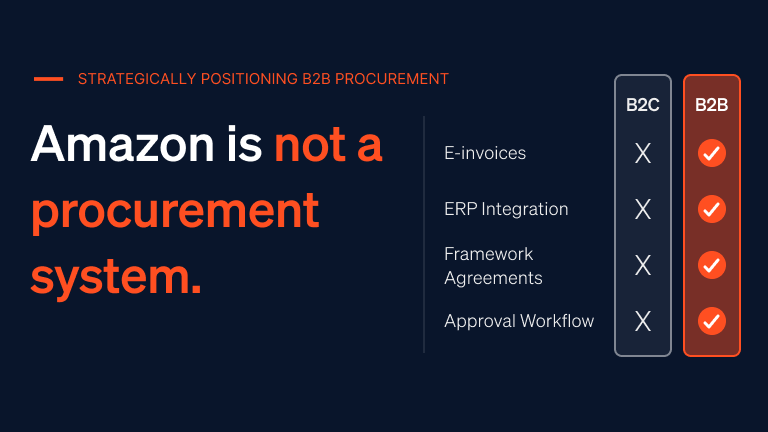
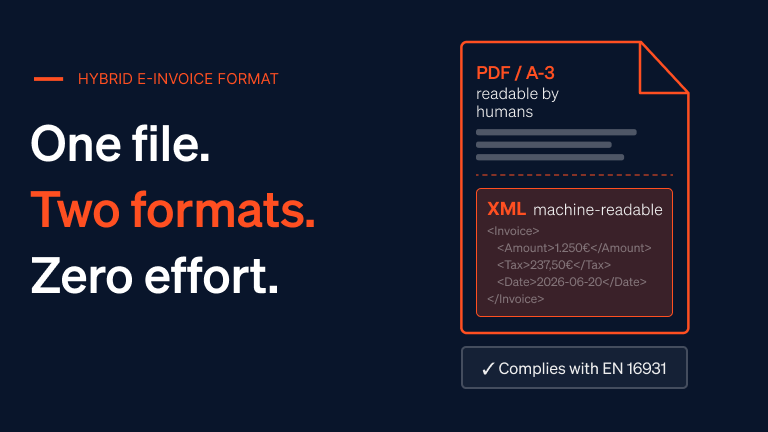
E-procurement digitises procurement via electronic platforms (procurement software). It enables clearly identifiable and automated workflows – from demand planning to invoicing. Platforms such as simple system offer access to a broad supplier network and optimise the entire procurement process. They relieve buyers of manual tasks and give them more freedom for strategic procurement management.
Electronic procurement provides companies with a multitude of attractive benefits. Here are the most important advantages at a glance:
The procurement industry is shaped by several central trends. They help companies act more efficiently, more sustainably, and also more resiliently. These developments drive innovation forward and change the way procurement is strategically designed – depending on the industry.
Digitalisation is completely turning purchasing on its head through the use of modern technologies such as predictive analytics and AI-powered decision-making systems. The innovations optimise strategic purchasing processes. They also reduce costs and minimise risks in supply chain management.
Predictive analytics enables precise price and demand forecasts. Companies recognise market trends early and can adapt their purchasing strategies accordingly. Particularly beneficial are the resulting optimised inventory levels, the reduced costs, and the improved capital commitment. AI-supported systems, on the other hand, automate unpleasant routine tasks. In addition to routine work, they analyse large amounts of data (big data) in real time. They identify savings potential, optimise relationships with suppliers, and support price negotiation. Suppliers can also be integrated into digital platforms, making collaboration and transparency even better and easier.
Digital solutions increase the efficiency of purchasing through:
Sustainable sourcing integrates ecological, social, and economic criteria into the purchasing process. Companies are increasingly relying on environmentally friendly materials, fair working conditions, and energy-efficient processes. Especially in goods receipt, it is important that companies carefully check the origin of raw materials to ensure that all criteria are met. By taking these factors into account, the company's brand image is strengthened, thereby minimising risks and resulting in long-term cost savings. In logistics, too, which often spans multiple locations, these criteria must be observed to ensure efficient and sustainable value creation. Companies thus secure a competitive advantage in dynamic markets and adapt to the economic situation – even in economically weaker periods.