23.10.2026


Professional accounts payable management forms the solid backbone of your company’s financial stability . If open items and payment transactions remain unstructured, you risk liquidity bottlenecks and unnecessary late fees. By intelligently combining strategic direction with operational processes, you lay the crucial foundation for sustainable supplier relationships and assured solvency.
Accounts payable management encompasses all strategic and operational measures for managing liabilities to suppliers. It goes far beyond traditional accounts payable, as it not only involves the mere posting and payment of invoices but also holistically manages the entire process from order placement to final payment processing.
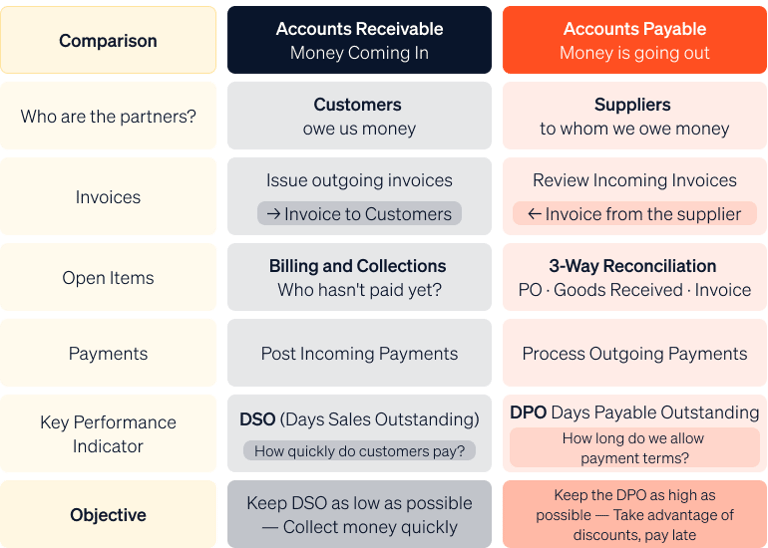
While accounts receivable deals with customer receivables, accounts payable focuses exclusively on incoming invoices. The primary task is to minimize the risk of errors and ensure that every liability is posted to the accounting system on time. This allows you to maintain a high level of transparency regarding your financial obligations and open items at all times.
A precisely defined accounts payable process protects your liquidity in the long term. Keep in mind that payment delays can occur during difficult economic periods may increase. Those who rely on manual accounting processes risk serious discrepancies. Therefore, strict compliance with regulations and a thorough invoice verification process are essential for a smooth and transparent year-end closing.
Implementing modern technologies enables you to digitize the entire approval process. By automatingyour workflows , you drastically reduce error-prone manual interventions. A comprehensive Bitkom study clearly demonstrates that top-tier software solutions significantly speed up the process: fully digital invoice processing accelerates the process by up to 30%.
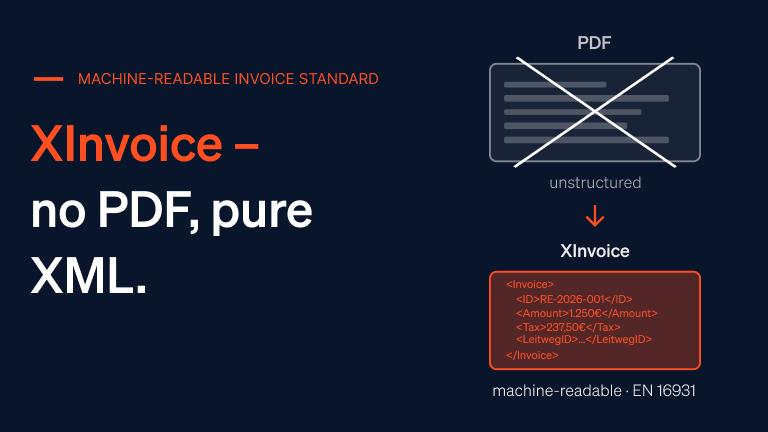
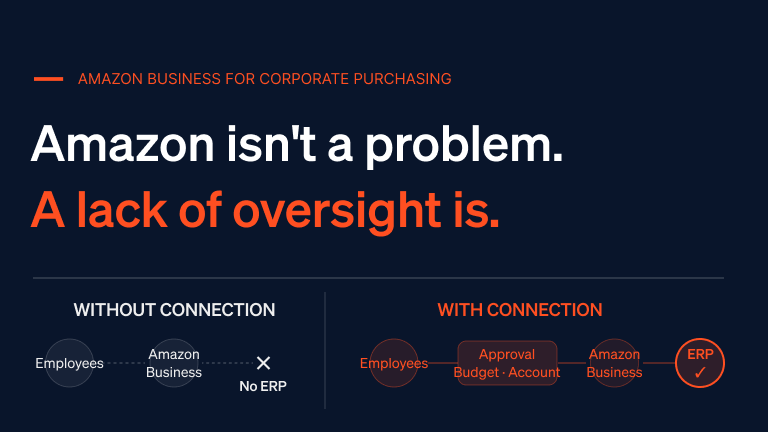
Furthermore, effective accounts payable management through integration with an ERP system (such as Microsoft)promotes compliance and ensures absolute accuracy in financial accounting. Use modern interfaces like EDI to import incoming invoices and supplier invoices in a structured manner and process them seamlessly.
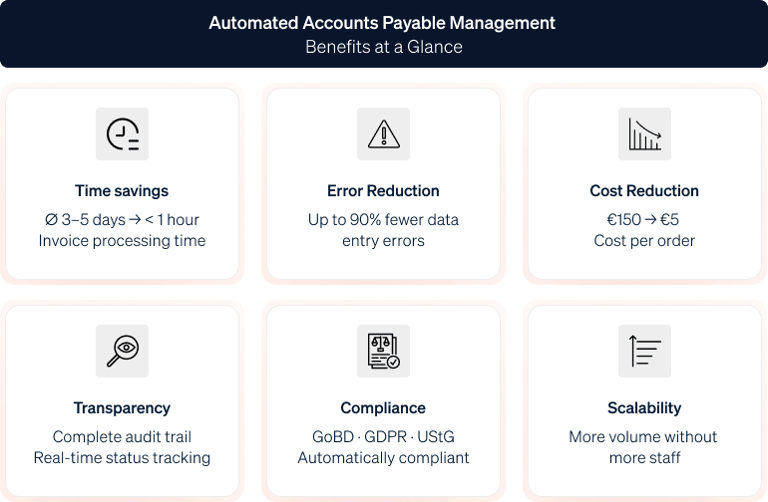
Forward-looking accounts payable management is far more than just the simple and timely payment of supplier invoices. It protects your liquidity, increases process efficiency, and ensures your long-term competitiveness. By automating your entire accounts payable processes, you not only free up valuable time for strategic decisions but also establish a state-of-the-art financial accounting system.