![Thomas Au [CFO]](https://simplesystem.com/hs-fs/hubfs/Autoren_Blog/Thomas_Au_autor.png?width=200&name=Thomas_Au_autor.png)

09.09.2026

![Thomas Au [CFO]](https://simplesystem.com/hs-fs/hubfs/Autoren_Blog/Thomas_Au_autor.png?width=100&name=Thomas_Au_autor.png)

Uncontrolled spending? Non-transparent ordering processes? Many companies lose valuable resources because there are no clear rules for procurement. A well thought-out procurement policy is more than just a bureaucratic document - it is the strategic foundation for efficient, secure and cost-effective purchasing. It clearly defines how, where and from whom goods and services are procured. In this guide, we will show you step by step how to develop such a policy that is tailored to your company and helps you to optimize your entire procurement process.
A procurement policy is an official document that provides the framework for all procurement activities of a company. It defines the rules, procedures and responsibilities for the entire procurement process - from requisitioning and supplier selection to payment for goods and services. The aim is to create transparency, ensure compliance with internal and external regulations and strategically align purchasing with the company's objectives.
Without a formal policy, departments often act in isolation, leading to maverick buying, unnecessary spending and increased risk. A well-implemented procurement policy transforms your procurement from a purely operational to a strategic function. It provides clear guidance for all employees and creates a culture of accountability and cost discipline. The benefits are far-reaching and have a direct impact on your business success.
To be fully effective, your procurement policy must cover all relevant aspects of the purchasing process. It serves as a central reference for every employee involved in procurement activities. Think of the document as a kind of blueprint: The more detailed and clearly defined the individual components are, the more stable and reliable the entire framework is for your purchasing department. The following elements should therefore be included in any comprehensive procurement policy.
An effective policy should contain far more than just basic purchasing instructions. It starts with a clear objective that explains the purpose of the policy and links it to the overall business objectives. The scope and responsibilities must then be precisely defined: Who may order what up to what value? Who must issue approvals? These clear assignments are crucial to control the process and ensure accountability. In addition, the detailed procurement procedures are the heart of the document. This is where you define the exact steps, from identifying requirements to approving invoices.
The integrity of your company begins with procurement. A clearly formulated code of conduct is the basis for avoiding conflicts of interest, corruption and unethical behavior. Clearly define how your employees should interact with suppliers. Define clear rules for accepting gifts and invitations and create a process for reporting potential conflicts. Such a code not only protects your company from the risk of fraud, but also strengthens the trust of your business partners and the transparency of your processes.

Find out how in our free e-procurement report. Download now free of charge and without obligation.
Read nowHow do you ensure that you are working with the right partners? This section of your policy defines the criteria for selecting, evaluating and approving suppliers. Describe the process for identifying and vetting new suppliers (due diligence). Criteria typically include price, quality, reliability of supply, financial stability and compliance with legal standards. Good procurement practices require an objective and documented selection process to prevent nepotism and ensure the best value for money.
Who can approve what and up to what amount? Without clear hierarchies and limits, uncontrolled expenditure can quickly arise. Define precise approval workflows based on the roles of employees and the amount of expenditure. For example, an employee in marketing needs a different spending limit than a department head in production. This structure ensures complete control and traceability of all financial commitments.
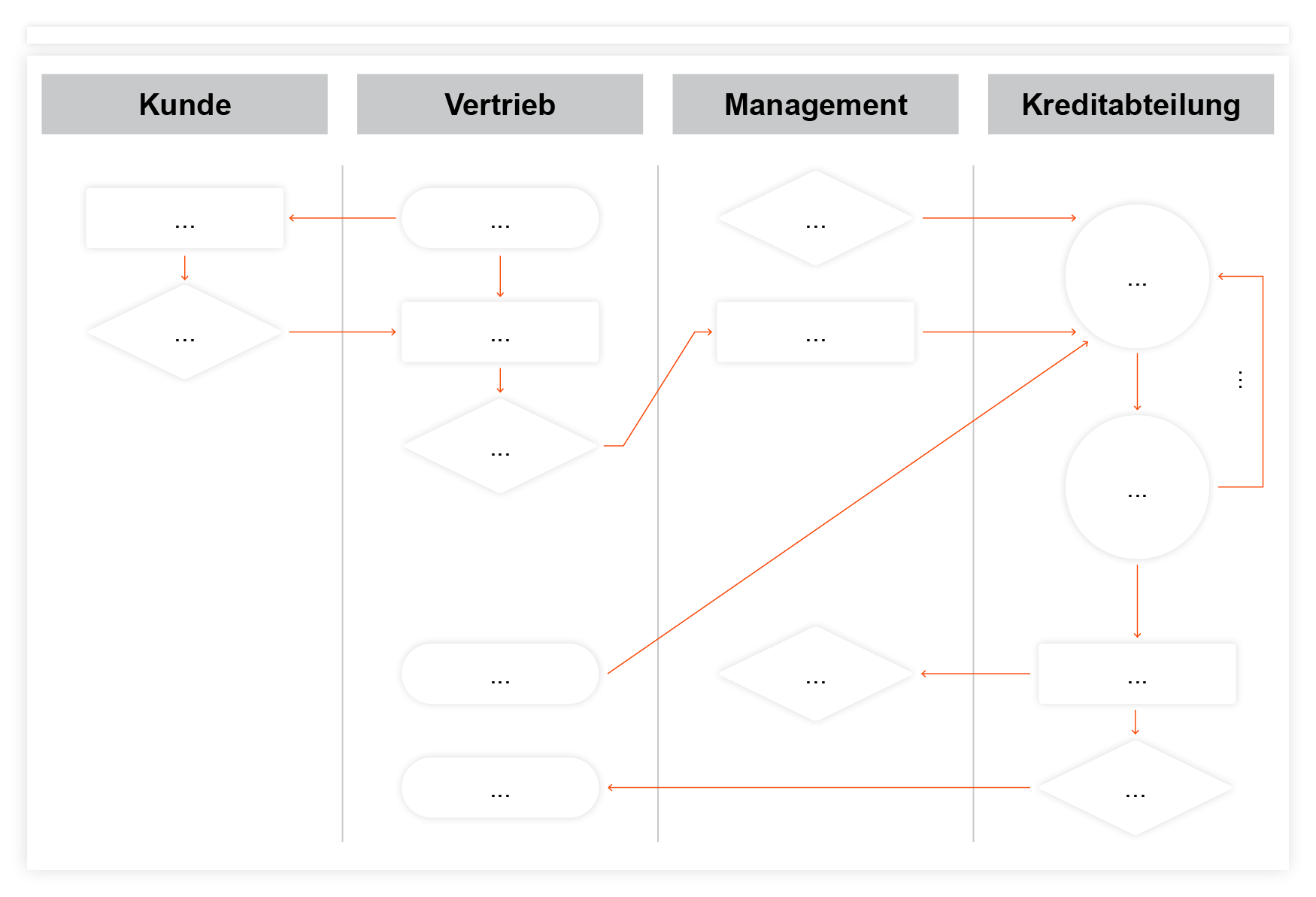
This section describes the operational steps that every employee must follow. The process starts with the purchase requisition, followed by the creation of an official purchase order (PO). Specify when a PO is mandatory and what information it must contain. Then describe the process of goods receipt and invoice verification, ideally using a three-way comparison (purchase order, delivery bill, invoice). Such a standardized process minimizes errors and speeds up the entire process.
Modern procurement guidelines go beyond pure cost savings. They also take ecological and social aspects into account. Integrate sustainability criteria into your supplier selection in order to reduce the environmental impact and promote social standards. This can include giving preference to suppliers with environmental certifications or compliance with labor rights. Organizations such as the UN Global Compact offer guidelines for sustainable procurement that serve as orientation. This positions your company as a responsible player in the market.
Creating an effective procurement policy is a structured process that requires care and the involvement of the right people. It's not about creating a rigid set of rules, but an agile framework that grows with your business. Follow these steps to develop a policy that is accepted by your employees and delivers measurable results.
Before you write a single line, you need to understand your current procurement process. Analyze spend data from the last 12 to 24 months: Who is buying what, from whom and at what prices? Have conversations with key stakeholders from different departments to identify their pain points and needs. This as-is analysis uncovers inefficiencies, risks and potential savings and forms the data-driven basis for your new policy.
A policy designed in an ivory tower is doomed to fail. Put together a cross-functional team that includes at least representatives from purchasing, finance, legal and IT. Together, define the specific objectives of the procurement policy. Is the primary aim to reduce costs, improve compliance or increase process efficiency? Clear, measurable goals help you to maintain focus and evaluate success at a later date.
Use the previously defined components as an outline for your first draft. Formulate the rules and procedures clearly, concisely and unambiguously. Avoid jargon wherever possible so that the policy is understandable to all employees. Start with the general principles and work your way down to the specific details such as spending limits and approval workflows. Good procurement software can help you to digitally map standardized processes.
Speed up the process: Download our customizable procurement policy template and save valuable time when creating your document.
Have your core team and selected managers review the draft. Is the policy practical to implement? Are there any ambiguities? Make sure you obtain formal approval from the legal department and management. This step is essential to give the policy the necessary authority and ensure legal compliance.
Your finished policy is only as good as its implementation. The final step is therefore careful implementation throughout your company. Simply sending it by email is not enough. Develop a clear rollout plan that defines when and how the new procurement policy will be introduced. Make the document easily accessible to all employees, for example on the intranet or in a shared drive. Proactive communication from the management underlines the importance and promotes acceptance from the outset.
Training is essential for success. Organize workshops for all employees involved in the procurement process. Explain not only the new rules, but also the "why" behind them. Use practical examples to show how the approval workflows work or how to create a purchase order correctly. This reduces uncertainty and ensures that your policy is implemented correctly and that the processes run smoothly.
Once a policy has been created, it must not disappear into a digital drawer. For it to become a real tool for efficiency and control, it must be anchored in the day-to-day running of the company. The following tried-and-tested methods will help you to keep your procurement policy alive and ensure broad acceptance within the team.
Even the best intentions do not protect against pitfalls. Many companies make similar mistakes when introducing procurement guidelines that undermine their effectiveness. By being aware of these typical hurdles, you can avoid them from the outset and ensure the success of your project.
One of the biggest dangers is a policy that is too complex and bureaucratic. If employees feel like they have to navigate through countless forms and approval loops, they will find ways to circumvent the rules. Keep processes as lean as possible. Another common mistake is a lack of support from senior management. If management does not visibly exemplify and enforce the policy, it quickly loses authority. It is therefore essential to secure the full backing of management before rolling out the policy.