02.04.2026

Sustainable Procurement: A Strategic Guide for Your Business

Andy Freund Senior Growth Manager

Sustainable procurement is rapidly developing from a niche topic into a central pillar of corporate strategy. In view of stricter laws, rising customer expectations and volatile supply chains, a rethink in procurement is essential. Those who set the right course now will not only protect themselves against risks, but also create a measurable competitive advantage. This practical guide shows you how to successfully anchor sustainability in procurement and leverage economic potential.

Sustainable procurement means taking into account the ecological, social and economic impact over the entire life cycle of a product or service. The aim is to cover the demand for goods and services in such a way that benefits are created for the company, society and the environment. Instead of just looking at the price, criteria such as fair working conditions, resource conservation and low emissions are included in the purchasing decision.

Why sustainability in procurement is a strategic advantage

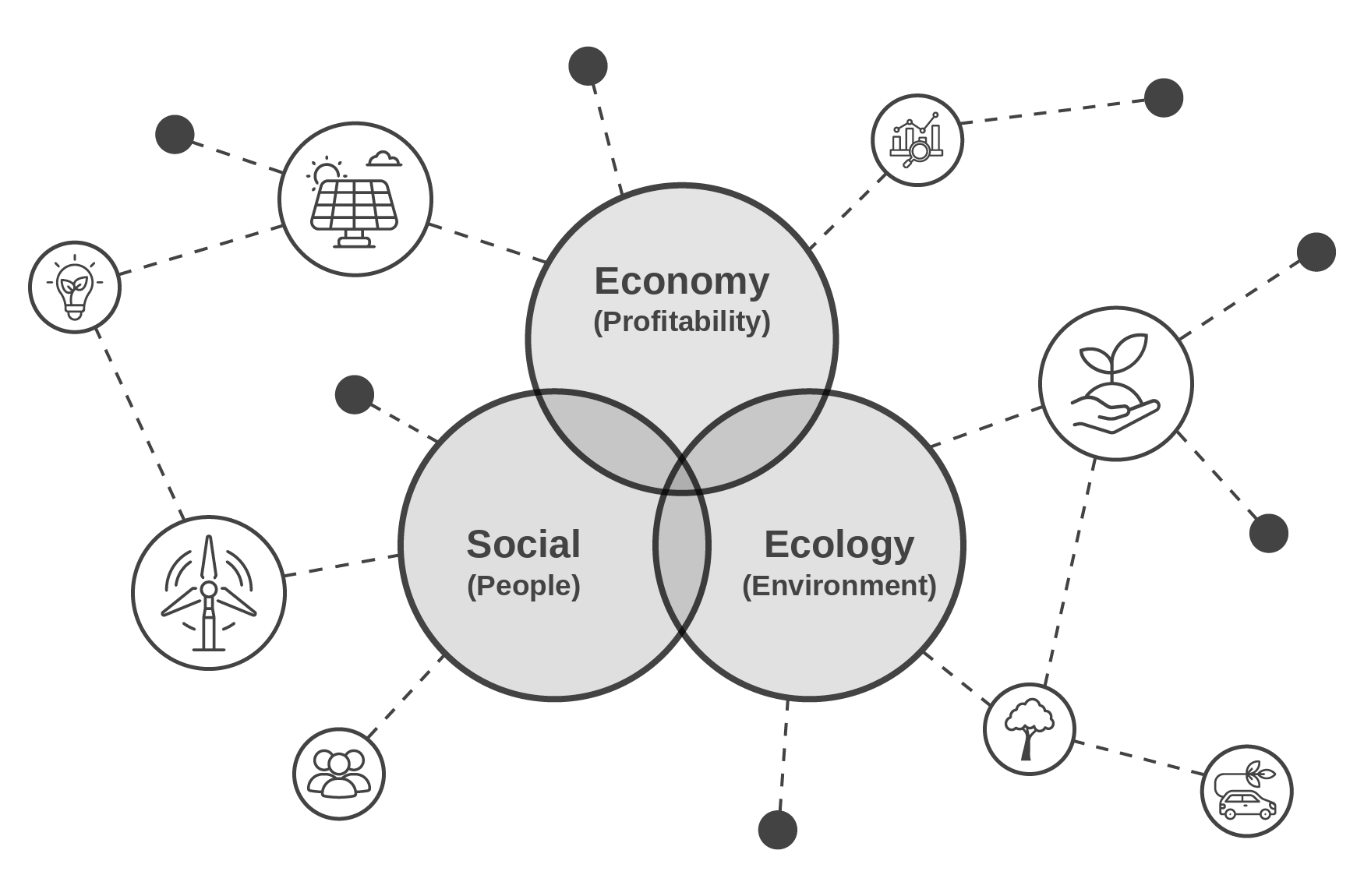
A sustainable approach to procurement is far more than just a contribution to a good image. It has a direct impact on the resilience and profitability of your company. The benefits can be illustrated using the three-pillar model of sustainability:

  1. Economic benefits: By analyzing the entire supply chain, you reduce risks such as those arising from new legislation or supply failures. More efficient products reduce operating costs in the long term (e.g. through lower energy consumption). In addition, addressing sustainability promotes innovation and opens up new market opportunities.
  2. Ecological benefits: Conscious purchasing makes a direct contribution to climate protection. Companies that pay attention to durability, reparability and the principles of the circular economy conserve valuable resources and minimize waste.
  3. Social benefits: Respecting human rights and fair working conditions in the supply chain is not just an ethical obligation. It strengthens your brand, makes you a more attractive employer and meets the requirements of customers and investors.
Infografik der drei Säulen der nachhaltigen Beschaffung: Ökonomie (Wirtschaftlichkeit), Ökologie (Umwelt) und Soziales (Mensch).


Legal framework conditions: What companies need to consider

Legal requirements are increasing the pressure on companies to make their supply chains more transparent. An important driver in Germany is the Supply Chain Due Diligence Act (LkSG), on which the Federal Office of Economics and Export Control (BAFA) provides comprehensive information. Even if your company is not directly subject to the law, as a supplier you are likely to be confronted with these requirements by your customers.

The ISO 20400 standard serves as an internationally recognized guideline for practical implementation. It offers organizations valuable assistance in establishing a systematic and credible sustainable procurement practice and structuring their own strategy.

e-procurement-report-en

Purchasing & saving

Find out how to do it in our free e-procurement report. Download now free of charge and without obligation.

Read the report now

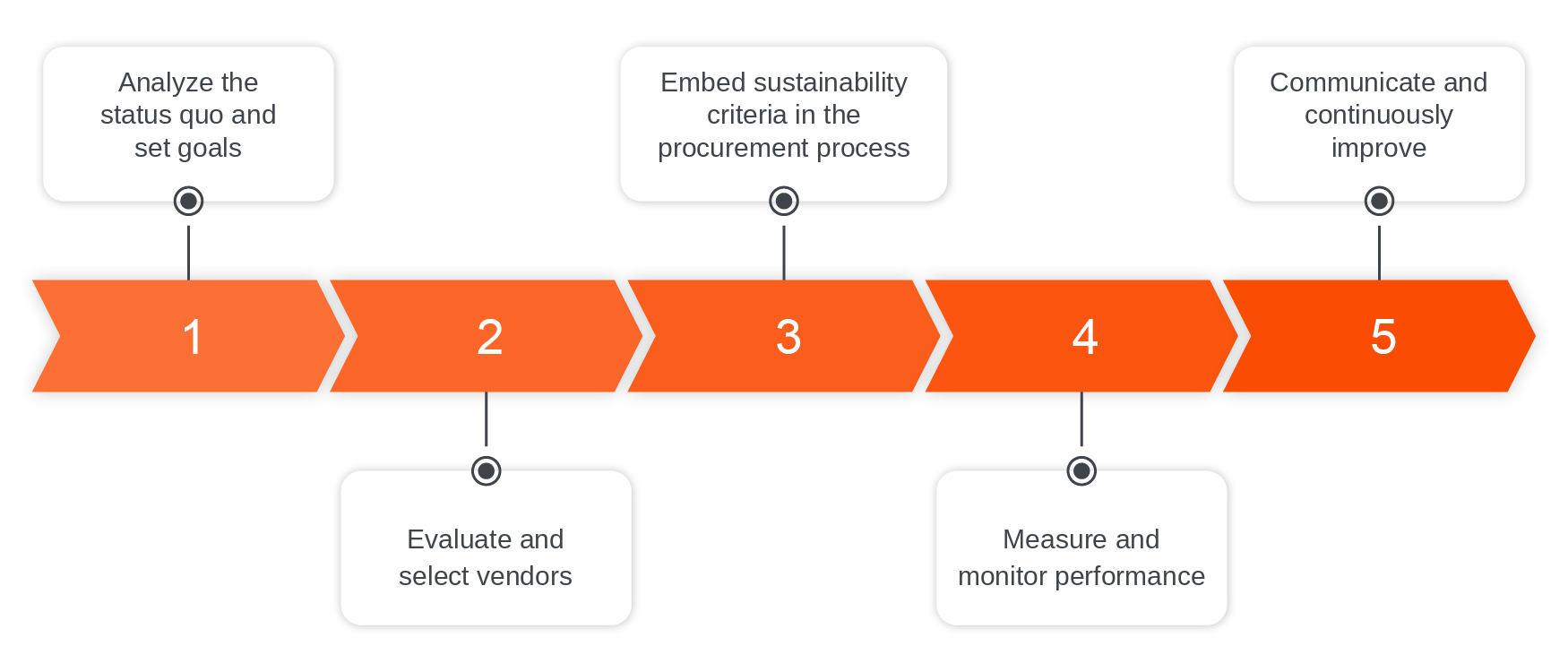
5 steps to a sustainable procurement strategy

Switching to sustainable procurement is a process. The following steps provide a clear structure for implementation in your company.

Step 1: Analyze the status quo and set goals
‍Where
do you stand today? Analyze your most important product groups and suppliers in terms of their social and environmental risks. Based on this, define clear, measurable goals, for example increasing the proportion of certified products by 10% within one year.

Step 2: Evaluate and select suppliers
‍Add
sustainability aspects to your supplier evaluation criteria. Request information, certificates and self-disclosures. Carry out audits of strategically important partners to check their information.

Step 3: Anchor sustainability criteria in the procurement process
‍Integrate
your sustainability requirements firmly into tenders and contracts. Train your purchasing staff so that they understand the new requirements and can apply them in practice. In this way, the entire procurement process can be optimized and aligned with the new goals.

Step 4: Measure and monitor performance
‍What
is not measured will not be improved. Define relevant procurement key performance indicators (KPIs) to monitor progress. Examples include the carbon footprint of purchased goods or the proportion of purchasing volume from suppliers with social audits.

Step 5: Communicate and continuously improve
‍Communicate
your successes and challenges transparently both internally and externally. Use the knowledge gained to continuously improve your procurement strategy and goals.

Prozessdiagramm, das die 5 Schritte zur Implementierung einer nachhaltigen Beschaffungsstrategie darstellt.

Sustainability as a decisive competitive advantage

Sustainable procurement is not a short-term project, but an integral part of modern strategic procurement. Companies that consistently integrate ecological and social criteria into their purchasing not only reduce risks, but also increase their efficiency, innovative strength and attractiveness as an employer. In doing so, they invest directly in the future viability of their business model and secure a decisive advantage in a changing market.

Frequently asked questions (FAQ)

What are the three pillars of sustainable procurement?
‍Sustainable
procurement is based on three equally important pillars: economic (profitability, supply chain stability), ecological (environmental protection, resource efficiency) and social (human rights, fair working conditions).

Is sustainable procurement always more expensive?
‍Not
necessarily. While the initial purchase price for a sustainable product may be higher, a holistic view of the life cycle costs (total cost of ownership) often leads to savings. Energy-efficient appliances, longer-lasting products and the avoidance of reputational and liability risks are all economic benefits.

How do I get started with sustainable procurement as a small company?
‍Start
with a focus. First concentrate on one or two product groups with high relevance or high risk. Talk openly with your most important suppliers about the topic of sustainability and look for potential improvements together. Every step counts.

 
Andy Freund Senior Growth Manager
Learn more about Andy
Categories
Fair. Transparent. Honest.

Try it free for 90 days!

No risk, no obligation, no payment details required.

Experience the entire platform – from your first shopping cart to the automated invoice. Discover how easy digital shopping can really be.