

09.09.2026



In globalized markets, choosing the right partner is only the first step. Finding a potentially capable supplier is one thing - but integrating them quickly, efficiently and securely into your own business processes is the real challenge. An unstructured or manual process harbors risks, leads to delays and creates an error-prone business relationship right from the start.
Strategically planned and systematic supplier onboarding is therefore not an optional extra, but a crucial obligation. It lays the foundation for a stable partnership and a resilient supply chain. In this guide, we show you how to successfully integrate new suppliers and what benefits an optimized process offers your company.
Optimized supplier onboarding is far more than just an administrative tick on a to-do list. It is a strategic process that lays the foundation for successful collaboration and a resilient supply chain. At a time when supply chains are becoming increasingly complex and prone to disruption - as PwC's Global Supply Chain Survey impressively demonstrates - you cannot afford to leave the integration of new partners to chance. A structured onboarding process ensures that your suppliers understand your expectations, processes and standards from the outset. This not only creates efficiency, but also becomes a decisive success factor for your entire company.
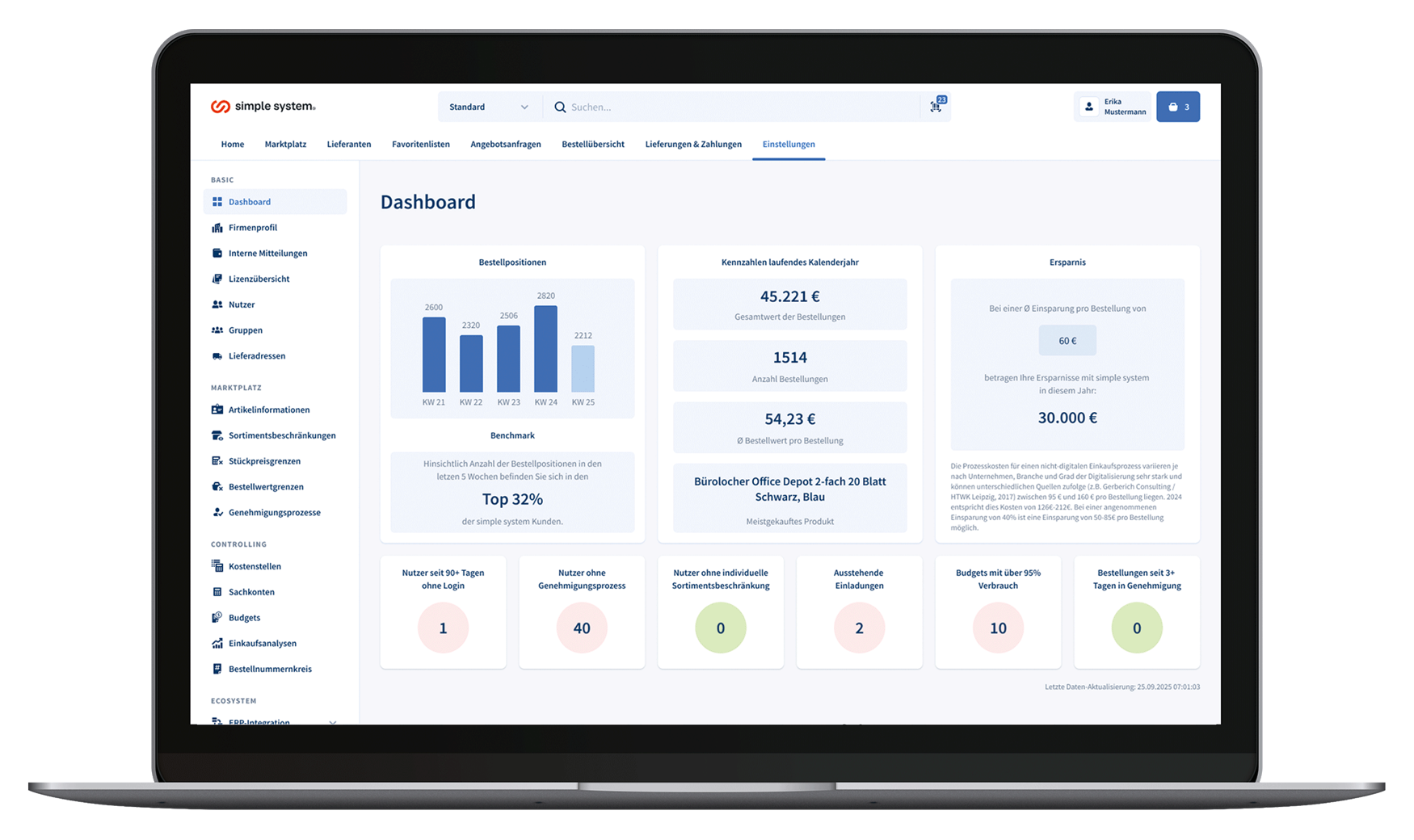
Successful supplier onboarding follows a clear and comprehensible plan. Although the specific steps may vary depending on the industry and company, a structured process forms the backbone for smooth onboarding. This supplier onboarding process can typically be divided into several core phases that build on each other. Such a standardized approach is a central component in overarching supplier management and ensures that no important information is overlooked and that all internal stakeholders maintain an overview at all times. In the following, we will guide you through the key phases of this process.
Find out how it works in our free e-procurement report. Download now free of charge and without obligation.
Read nowThe formal onboarding process begins as soon as the decision for a new, potentially capable supplier has been made. This initial phase involves recording the basic master data and contact persons. To ensure a standardized process right from the start, you should use a central digital form or a supplier portal. This will ensure that all the necessary basic information is available in a complete and standardized form before the process moves on to the next, more detailed phase.
This is the heart of the data collection process. The supplier is asked to provide all information and documents relevant to the business relationship and compliance with guidelines. A manual exchange by email is extremely inefficient and error-prone. A supplier portal is the ideal solution for structuring and automating this process. The supplier can upload all data independently and the system can check for completeness. Typical documents include:
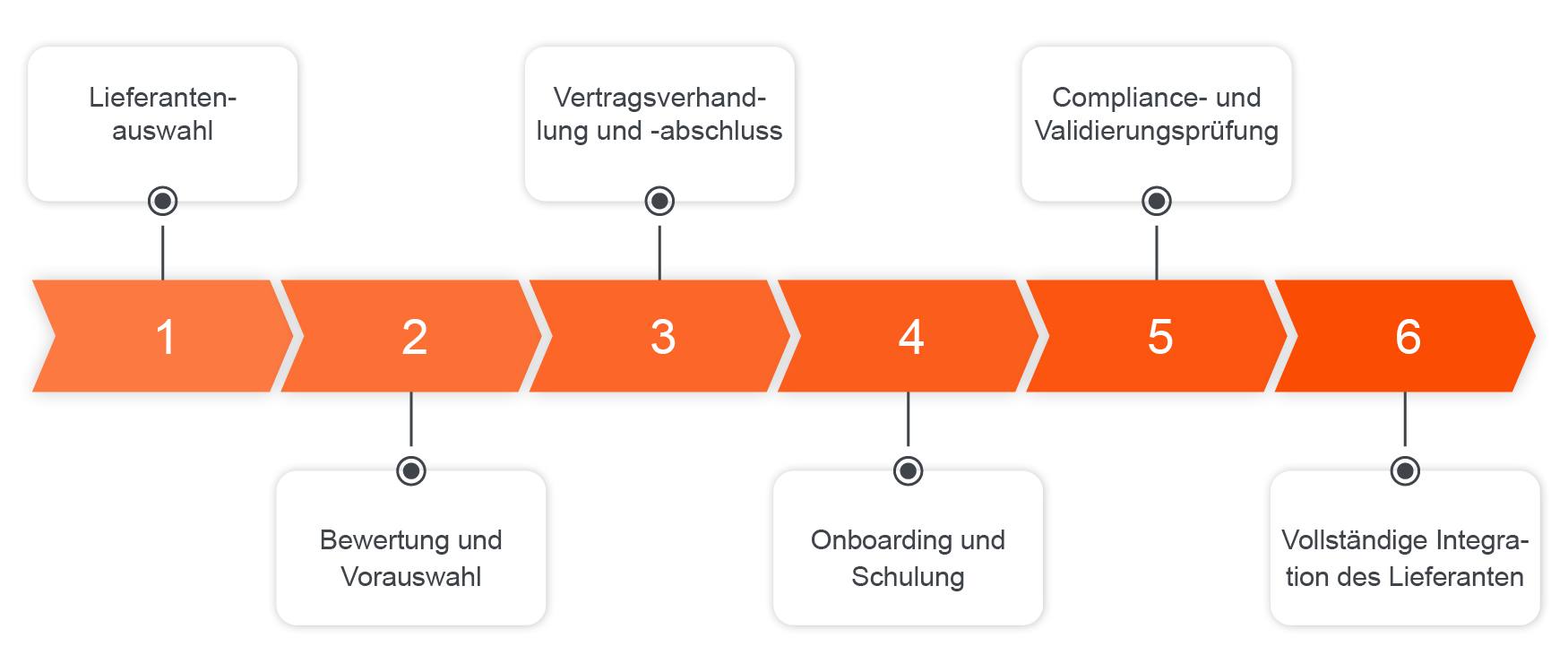
No data without verification: In this phase, the information provided is carefully verified. This includes both automated and manual compliance checks. Are all regulatory requirements met? Are the certifications valid? Careful verification is crucial to minimize risk and ensure compliance with legal requirements. The knowledge gained here also forms the initial data basis for a future, systematic supplier evaluation and effective risk management.
Once the supplier has been successfully checked and approved, the contract is formally concluded. The supplier contract should clearly regulate all important framework conditions such as prices, delivery conditions, quality standards and payment terms. Technical implementation takes place in parallel: the validated supplier data is transferred to the relevant internal systems - above all the ERP system (e.g. SAP). The aim is to create the supplier as a vendor so that they are activated for orders. The correct transfer of data is essential for smooth collaboration later on, especially in automated order processing.
Onboarding does not end with the first order. A professional welcome, introduction of key contacts and transparent communication of your processes and expectations are crucial for the start of a successful partnership. Make sure the supplier knows exactly how your ordering process works, which communication channels to use and who to contact if they have any questions. This open communication lays the foundation for effective supplier relationship management and transforms a purely transactional relationship into a strategic alliance.
Professional supplier onboarding is not a bureaucratic end in itself, but the first and most important stress test for your future collaboration. Those who rely on clear structures, digital processes and transparent communication not only avoid expensive friction losses, but also build trust from day one.
Think of the onboarding process as the foundation of your supply chain: the more solidly it is built, the more sustainable and resilient the entire structure will be. Use the integration phase to turn suppliers into real partners who understand your standards, share your goals and grow together with you. The effort at the beginning is the guarantee for your success at the end.